My wife and I have some friends who are very much involved and active in certain areas of ministry. We were recently talking about the passion these friends have for their particular ministry.
That got me thinking about passion. The dictionary says passion is a strong or extravagant fondness, enthusiasm, or desire for anything. This certainly describes our friends, and we are happy that they are involved so much.
We both stated that we felt we did not have a passion like this for any particular thing. It actually made us feel a little disappointed and wondered why we did not seem to have passion like our friends.
I think passion is great, yet in some ways, passion for the wrong things or done in extreme ways can be very tiring and frustrating. A passion for money and business success can cause people to work many hours, consuming their energy and taking time away from family. Passion like that can gradually drain your strength and purpose. Yet, people who have passion for showing God’s love by helping others, and using it in moderation, can see their lives enriched and strengthened and often seem to have endless energy.
The only trouble I see with passion is that it can sometimes become an obsession with the ones involved, and they can begin to expect everyone to have the same passion they have for the same thing. This is where we must realize that God designed each of us with different gifts, abilities and passions, and they are displayed differently in each of us.
I think each of us has a passion for what God designed us to be. We may not be as outspoken or even act the same way as others with passion, but each of us reacts in a way that is effective according to the personality and gifts with which we are designed. We may not even realize the passion that shows through to others, but rest assured, God will work through us to touch others with love and fulfill the purpose we were designed to achieve.
We are all designed differently, and we all act and display our uniqueness in various ways. It is wrong to think we are not useful to God because we do not act like someone else. God works through us based on the way we were created. We are each unique temples of the Holy Spirit, and we each make an impact on those we have contact with through the power and love of God within us.
*******
Michael Donahoe was added as a writer for Done with Religion as his views fit perfectly with those that are shared on this site. He and his wife have been outside the walls of religion for fifteen years. He enjoys writing about his experiences and thoughts, and he wants to encourage others who are going through the religious deconstruction process. He also writes on Substack at https://deconstructiontrail.substack.com/ and https://personalmeanderings.substack.com/
There is a difference between Islam and Islamism. Islam is a religion. Islamists are influenced by Islam but Islamism is a political ideology that seeks to organize and control government. It matters if one’s beliefs are based on Islamist principles. Islamism in my opinion is not compatible with Christianity or can coexist. Individuals must be asked specifically their below beliefs. Please don’t accuse me of being Islamophobic
I have written about my concerns regarding Christian nationalism. See here. I have written American was founded on Christian principles, but leaders should be careful in their language. The Founders believed in freedom of religion and beliefs. There is a difference in saying we are founded on Christian principles and we are a Christian nation. This seems to exclude all non-Christians. It boils down to how beliefs are acted on.
What is the main difference?
Allah had no son. Christianity claims Jesus was the Son of God. Christianity declares Jesus is what God is like. Readers have to decide who to follow. Allah or God and Jesus.
How is blasphemy treated?
Blasphemy means speaking disrespectfully about God or insulting sacred things. Leviticus 24:16 says someone who blasphemes God should be put to death in ancient Israel. But the New Testament shifts the focus from civil punishment to spiritual consequences. In most modern Christian-majority countries, blasphemy is not punished by law.
Islamism generally treats blasphemy as both a religious sin and a crime against the state. Because Islamism advocates for governments ruled by Sharia law, blasphemy is often treated as a criminal offense, not just a moral one. Even death for severe cases, particularly if the offender is seen as abandoning or attacking the faith. I am not aware Christianity having any such laws.
How to treat infidels
In Christianity, people who do not believe in the Christian faith are usually called unbelievers rather than “infidels.” The way Christianity views them comes mainly from the teachings of Jesus Christ and the New Testament. They are seen as people that God loves. (Rom 5:8, John 3:16) I do not think any form of Christianity can be accused of deadly consequences based on beliefs or not granting freedom of belief on earth.
In Islamism non-Muslims may be allowed to live in society but with a different legal status in a state governed by Islamic law, though interpretations vary widely across movements. Shouts of “Death to Americans” don’t suggest coexistence is allowed according to Islamism.
Gays
Unfortunately, Christians are not united in claiming God does not condemn gays. Many refuse to admit the Bible can also be interpreted to not condemn monogamous same sex relationships. See here But, at least Christianity cannot be accused of supporting death for those who are in same-sex relationships. Islamism consider that sodomy is considered a capital offense in Iran, where execution methods include public hangings. Many Muslims interpret Islamic teachings differently, but many Muslim governments support criminal penalties that can include fines, imprisonment, or death penalties. That is a severe difference rather than condemnation
And women
Unfortunately, Christians can be accused of women bias as much as Muslims. Sorry, any religion that requires women dress up to protect men’s eyes is anti-religion in my opinion. Men – control your own eyes. But then some Christians claim the Bible requires women submit to men’s authority in certain roles that men are not required ot submit to men. I doubt the Bible teaches that; I am not sure why any fair-minded person would think women can’t fulfill the same roles as men unless believing a Book about God teaches otherwise.
I doubt Paul, a main writer of the New Testament, was a bias against women. See here. Most agree not allowing equal roles because of skin color is immoral. Choosing who should lead the company based on gender is obviously bigotry. The most qualified or gifted should surely lead the company. Why not in church? Men in authority over women whether in public or private life is conducive for domestic abuse and the other atrocities women face at the hands of men. Give me an inch and I am tempted to take a mile! So, both religions suck and have extremists.
What about Violence
Many, but not all, Christians and Muslims, can be accused of advocating violence and possibly genocide. Most religions allow war in certain circumstances when fighting evil. The problem is extremist groups like ISIS can misuse Islamic language to justify violence. Christians aren’t necessarily off the hook. Some suggest the Old Testament advocates violence or genocide in certain circumstances. (I Samuel 15:1-5) It certainly seems that way. As discussed below the problem is whether one’s holy Book is inspired by God. If writers are portraying God accurately because God is controlling their thoughts, as opposed to sharing their own opinions of God, then most followers feel an obligation to follow in their God’s inspired footsteps.
The problem with inspired Scriptures
There are extremists with any religion whether Christian, Jewish, or Muslim. The problem often is how supposed inspired texts by God are interpreted. It is rarely admitted that our interpretative views of God according to the Bible could be right or wrong. Some say God condemns gays according to the Bible, others interpret the same passages differently. Even if we could prove God inspired every word in the Bible (God controlling what writers thought and recorded), we should always question interpretations since biblical scholars interpret differently the same passages.
Supposed inspired interpretations by God or Allah can lead others away from God, because if a Supreme Being advocated a belief, most assume we are obligated to endorse and follow. I argued that if we did not assume literature is inspired, but rather the writers wrote what they believed was true of their God, we could avoid extremism. Use common moral sense to understand God, rather than assuming writers never misunderstood God. See Shouldn’t we assume the Bible isn’t inspired by God – all rants against the Bible
Final Thoughts
I believe those who claim Islam or Islamic as their beliefs would refer to themselves as Muslims. Those who claim Christianity as their religions would call themselves Christians. Not all Muslims or Christians hold the same above beliefs. Their beliefs should be questioned to discern what actions may follow. One may think I have been biased toward Christians reading the above. I do associate more with their beliefs than many Muslims. I believe Muslim beliefs are more extreme than Christian’s beliefs. Depends on their belief of their Holy Book and interpretation. Let’s have open discussion of personal beliefs.
Mike Edwards was added as a writer and has been a great addition to the site. Mike provides many interesting views and various ways of looking at things. He is not afraid to ask questions and he keeps an open mind as to teachings of the institutional church. Mike also has his own site where he writes at What God May Really Be Like
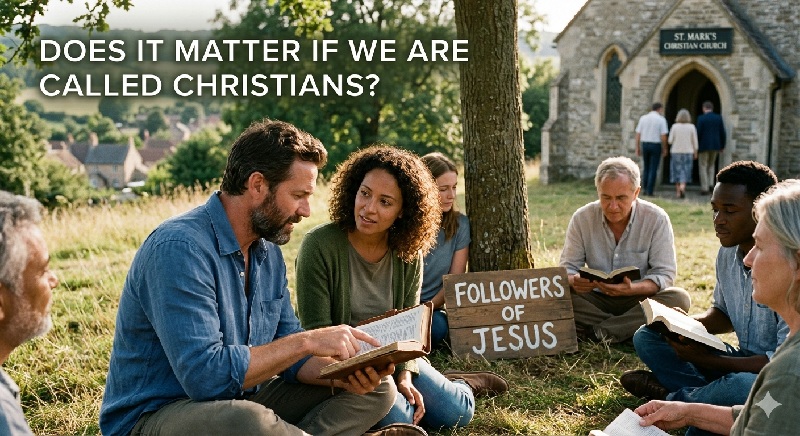
I think that as followers of Jesus, we should be able to accept and love everyone. No matter what we believe, what our faith or doctrine is, no matter our religion, nationality, sexual preference or color, we want to see each other as Jesus sees us. This is a type of love we cannot do on our own. It is only possible by the love of God within us. We want to love, accept and care for people.
It is only natural that we will not always agree, but we want to look past those areas of disagreement and love each other in godly love. This is the way that others will come to see the love of God, not through condemning and bashing one another. Not in trying to prove we are right and everyone else is wrong. Love does not mean seeing eye-to-eye, it does not mean we agree or even like some of the things people do, but it does mean we look past the differences and love each other as Christ loves us.
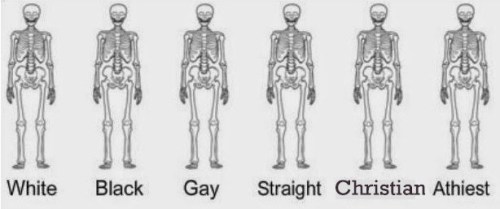
No matter if we are gay or straight, black or white, religious or atheist, Christian, Muslim, Hindu, Taoist or Jewish or whatever label people put on us, the underlying fact is we are all human beings. We all deserve to be treated with respect and be accepted. Each of us should be able to live our life and make our own choices without being judged and condemned by others. We should be able to discuss our differences respectfully, and none of us should try to force our views and choices on others.
If we could look past the labels and see each other as people who overall want the same things, to be happy, to be loved, be healthy, get our bills paid and enjoy life, I think things would be better even with our differences. This is not to say we are going to agree with everyone, happily associate with everyone and always get along with everyone, that is just not going to happen. There are too many different thoughts, ideas, beliefs, lifestyles and personalities for us to agree on everything and be totally comfortable with everyone, yet accepting each other and respecting each other in spite of our differences certainly is a possibility.
Let’s look past the labels and see each other as human beings who have feelings, who want love and friendship. Let’s be people who can get to know one another, learn from each other, share thoughts and ideas and accept each other as being created in the image of God. God loves the world and we should make it our goal to do the same.
*******
Michael Donahoe was added as a writer for Done with Religion as his views fit perfectly with those that are shared on this site. He and his wife have been outside the walls of religion for fifteen years. He enjoys writing about his experiences and thoughts, and he wants to encourage others who are going through the religious deconstruction process. He also writes on Substack at https://deconstructiontrail.substack.com/ and https://personalmeanderings.substack.com/
We often hear that there should be unity among fellow Christians, yet how often does that seem to really happen? Do you get tired of seeing such disagreement among fellow Christians? Unfortunately, we do not see a lot of unity and agreement today.
Jesus said his followers were to be known for their love for one another. Yet today it is hard to find brothers and sisters in Christ being loving and kind. Fortunately, this is not the case in every situation, but it seems a lot more common than it should be.
I am not just talking about being accepting and kind toward those who are outside the Christian faith, but it is hard to find true love and acceptance among brethren of different denominations within the faith.
If we go to the same church building and accept the same doctrines, we usually find love and acceptance. I remember when I was in the church system the first thing I would ask someone was where they went to church. If they went to an organization I liked and agreed with, I would pretty much instantly like the person. If they went to a place that was different in their way of worship or interpretation of the Bible, then I would immediately be on guard and almost dismiss them as someone to get to know. This seems to be a pretty common occurrence.
It is sad that we put such walls up with people who think differently. It is sad that we have made such importance out of buildings, doctrines, interpretations and Bible versions that we forget God loves each of us no matter what we believe. We are to love God and love others just as God does no matter what they believe, especially among those who are also followers of Jesus.
Loving and accepting people does not mean we are always in agreement and that we always get along. Of course, there will be disagreements and differences of opinions, probably even arguments and hurt feelings at times, but that is life. We can disagree and even argue at times and still respect and accept the other person.
By the power of the Spirit within us, we can accept, respect and be loving toward others. Not only our brothers and sisters in Christ, but those who are not of the Christian faith and belief. I think we can disagree and have different opinions and still act in a respectful and accepting way toward our fellow human beings.
Jesus said that they will know we are his disciples by the love we have for one another. Love draws people, but condemnation, judgment and unloving behavior drives them away. It seems that when I say we are to love and accept others, I am often told that I am wrong because as Christians we are to point out the sins and mistakes of others. They say it is our responsibility to make sure others know what they are doing wrong with the purpose of making them change their behavior.
I personally do not think we are to be the sin police. We are not told to do such things. We are told to love God and love others. As far as I am concerned the Holy Spirit will convict the world of sin where conviction is needed. That is between the Spirit and each individual as to what they do and how they respond. We are only to love others. Love draws people, not judgment and condemnation. God is love. Rather than judge, condemn, separate and argue, get out there among humanity and let the love of God flow out of you by the power of the Spirit. There is a whole world of hurting people, both Christian and non-Christian who can use the encouragement of an accepting person who cares and shows the love of God.
*******
Michael Donahoe was added as a writer for Done with Religion as his views fit perfectly with those that are shared on this site. He and his wife have been outside the walls of religion for fifteen years. He enjoys writing about his experiences and thoughts, and he wants to encourage others who are going through the religious deconstruction process. He also writes on Substack at https://deconstructiontrail.substack.com/ and https://personalmeanderings.substack.com/
Many believe only those who believe/follow God here on earth will make it to heaven in the afterlife. For contrarian views see: What Religion Leads To Heaven If you don’t believe all have a chance to be in heaven regardless of beliefs here on earth, then how can heaven be a happy place if unbelieving loved ones aren’t allowed in heaven.
At least you don’t have to worry about Hell
One barrier to happiness is a belief held by many that there is a literal hell where God tortures those in the afterlife who don’t believe while here on earth. The only place one may get such an idea about a loving God is a supposed inspired book by God (Bible). The good news is that a literal hell is unlikely biblically speaking. You don’t have to worry about a loved one being kept alive to be tortured. God creating a literal Hell where people are tortured for billions of years for beliefs held a short time here on earth isn’t possible morally or biblically. See here. See here. Humans wouldn’t even create such a place for our enemies. God or humans can’t possibly be happy in heaven if loved ones are tormented after death forever. If God supposedly has such control over happiness, why not use the same power over rebelliousness?
And, all loved ones may go to heaven eventually even according to the Bible?
Many may reject universalism because they believe the Bible teaches against it. Many who reject universalism often resort to name calling rather than defending their views – referring to those who reject their claims as heretics. What many may not know is there are many biblical scholars who believe the Bible can be interpreted to teach God saves all eventually. See: All Will End Up Heaven According To The Bible!
The main reason to think God doesn’t accept all in heaven when meeting their Creator is because the Bible supposedly says otherwise. Does God’s loving nature allow stopping to forgive? There are consequences in this life and there may be painful reckonings in the life to come, but a loving God can’t stop showing grace. Why would God undergo a complete character lobotomy after we take our last breath here on earth? Is a thief going to enter Paradise but not others with lesser sins because they weren’t next to Jesus hanging on a Cross right before their last breath? God’s grace doesn’t depend on whether one has more opportunities to respond to God than others. The Bible doesn’t rule out decisions after life here on earth. Even imperfect human parents wouldn’t cut off a child who eventually accepts responsibilities for their actions. Universalism is possible or even probably true because there can’t be a deadline or time limit on God’s love. There isn’t on my love for my children. Am I a better lover than God? We are told to forgive our enemies as many times as necessary but God doesn’t?
Even the Bible doesn’t rule out decisions after death regarding one’s eternal destination
John 5:25 says that the dead will hear the voice of God and those who hear will live. Verse 29 says those who have done evil will be condemned but we do not know whether repentance will take place. Romans 14:11-12 says: “It is written: As surely as I live, says the Lord, “every knee will bow before me; every tongue will confess to God.” So then, we will all give an account of ourselves to God.” Why couldn’t some make a decision at Judgment? I Peter 3:18-20 speaks of Jesus preaching to those in Noah’s day who were disobedient. Preaching is normally for the opportunity to respond. I Peter 4:6 goes on to say that the dead can live according to God’s spirit. Eternal decisions after death doesn’t diminish the blessings of changing here on earth. A perfect, merciful God can best decide when enough chances are given.
A loving God can’t be a God of chance!
A loving God wouldn’t only let Christians into heaven when the majority of people born into this world died without knowledge of Jesus the Christ. Besides, one’s religion or rebellion against a certain religion is often based on the family born into whether it is Christian, Muslim, Buddhist, etc. No human or spiritual parent brings children into the world requiring that one’s eternal destination is based on circumstances out of one’s control.
What about justice though?
The Bible talks about everyone, whether having faith here on earth or not, will be judged (2 Cor 5:10; Rom 14:12). Punishment doesn’t bring back a victim’s robbed memories of the future due to the murder of a loved one. Justice can be understanding your victim’s pain and accepting the harmfulness of your actions. After death God may seek for all to face every action of betrayal and how it felt to their victims. The cleansing and educative effect may take longer for some than others. Humans, like God may forgive their enemies if they truly regret their actions and seek forgiveness. Justice from a fair, merciful God is possible despite people being given a second chance after death.
Happiness in Heaven possible even if loved one not there
I supposed it is possible some may reject God and Heaven when meeting their Creator and chose final death. So, God may not be able to save all. But, if my loved one sees what God is really like meeting and still reject God, I can better except it is their choice than God rejecting them. I can better accept their death than forcing them to be in heaven is fair and I can be content with that decision.
Mike Edwards was added as a writer and has been a great addition to the site. Mike provides many interesting views and various ways of looking at things. He is not afraid to ask questions and he keeps an open mind as to teachings of the institutional church. Mike also has his own site where he writes at What God May Really Be Like

Have you noticed how many people seem to only include their preferred group? They only include people who think like them, have similar interests and likes. If you think differently or have different views and opinions, people feel you should stay in your own group with like-minded people, but leave the other group alone.
We seem to find this attitude in every walk of life, but within organized religion or institutional church it seems even worse. We all should be accepting of people in general in our daily lives. Yet, we see this so often within Christianity with the wide variety of denominations and interpretations of the Bible.
When it comes to including people who we see as completely different from us, African-American, Native-American, White, LGBTQ, Atheist, Muslim, Jew and so on, we tend to want to keep each group separate. We think as believers in God we need to separate ourselves and not associate with those who see things differently. Why is it the word inclusion seems to make so many Christian people cringe?
Really, behind all the labels we put on people we are all basically the same, so why not associate and get to know people who we feel are different from us? We can learn from one another, get to know one another and find that we really are not all that different.
We see Jesus do this all the time when reading the gospels in the Bible. He did not differentiate people based on their religion, belief, lifestyle, sexuality or nationality. He did not separate himself from those who thought, believed and lived differently. He loved and accepted all people and showed them the love of God.
Obviously loving and accepting people does not mean total agreement, nor are we going to always get along in life and live happily ever after. Yet I believe it does mean treating others the same, with respect, kindness, acceptance and with the love of God through the power of the Spirit within.
Inclusion is not a bad word. It is not a bad or unholy way to live. Inclusion is about ALL of us. Inclusion is about living full lives – about learning to live together. It makes the world our classroom for a full life. Inclusion treasures diversity and builds community. It is about our abilities – our gifts and how to share them. Inclusion is the way of God and the way of showing the love of God to all we meet.
*******
Michael Donahoe was added as a writer for Done with Religion as his views fit perfectly with those that are shared on this site. He and his wife have been outside the walls of religion for fifteen years. He enjoys writing about his experiences and thoughts, and he wants to encourage others who are going through the religious deconstruction process. He also writes on Substack at https://deconstructiontrail.substack.com/ and https://personalmeanderings.substack.com/
Try claiming God doesn’t condemn gays. You are called a heretic in religious places, despite disagreement among scholars what the Bible claims. Dare to argue Covid vaccines have risks and you are called a mis-informer or conspiracist. It isn’t science without debate. The problem is condemnation of expression of opinions. The solution is encouraging civil discussions. Certainty is a myth except in the eye of the beholder!
I grew up in the traditional church environment and followed the religious teachings and doctrines over the years. I have seen a lot of things that I now question and wonder why things were done that way.
Over the years, many of us have come to see God as super human being sitting on a huge throne up in heaven just waiting to punish us for our mistakes. We see God as being far away, impersonal, judgmental and many times as someone to fear.
Yet when we think about the life of Christ and know he was sent from God to show us what God is really like, we come to see God in a different way. When we read about how Jesus lived and treated people, we see him as loving, compassionate, kind and accepting. Jesus came to show us that God is the same way.
After Jesus left this life on earth God sent the Holy Spirit to live within us. Think about it, God in Spirit form lives within us and among us right now. God is not a super human being way up there somewhere far away, but is Spirit and is right here within us.
God is not out to get us and punish us every time we mess up. I think God gets a bad reputation from some of the writings in the Bible due to mistranslations, different word meanings and not understanding customs of the times. I believe men, although they were inspired by God, wrote down some of their personal views. Obviously, if you were inspired by someone to write a book you would still write it from your perspective. Anything man has a hand in is going to be flawed. The Bible, when combined with the leading of the Holy Spirit is purposeful for teaching, for reproof, for correction, for training in righteousness, and in guiding us to the living Word of God who is Jesus.
Rather than running around being afraid of God and waiting for the judgment of God to fall, look at Jesus and see that God is love. Whenever correction is needed it is only for our good and it is done in love. Just as a loving parent sometimes corrects their child. it is done in love and for the child’s own good. We are not waiting to be destroyed by a God who loves judgment and condemnation. We are living with a God who is love, who created us and who wants the best for us during our time on earth.
Stop being afraid of God and continue to seek fellowship with God. If you hear a pastor telling you that God is out to get you and that you had better shape up or else, get away from there and find brothers and sisters in Christ who will be encouragers and who will help build you up rather than condemn and scare you. Fear of judgment will not lead you into a loving relationship with God. Only true, godly love will be what draws us into fellowship with God. God is love. For those of us who are followers of Jesus we should also be known for our love. As Jesus said in Matthew 22:37-39, you shall love the Lord your God with all your heart, and with all your soul, and with all your mind. This is the great and foremost commandment. The second is like it, you shall love your neighbor as yourself. Live a godly life by loving people. Rather than being known for judgment, condemnation, hatred and what you are against, show the love of God. Be kind to all people and be known for your love of your fellow human beings.
Jim Gordon and his wife left the institutional church after spending over fifty years within the system. Jim wanted a way to express his thoughts and concerns about the religious system and why he and his wife decided to leave the institution but not their faith in God. Jim can be contacted by email at: jimgordon731@gmail.com
I am writing this to those who have experienced harm and their violator doesn’t acknowledge guilt. Also, to those who advise the victim “must” forgive to be right with God. There are different religious view on forgiveness – if one must confess or seek forgiveness before being forgiven from God or humans. Others suggest all should be forgiven even if one doesn’t profess guilt. Should we forgive others without expectations?
Many Christians assume the Bible teaches we must forgive without any expectations. The Bible can also be used to claim repentance is required. God does not forgive the rebellious (Josh. 24:19); “… if they repent forgive them” (Lk. 17:3). The Bible wasn’t meant to be a rules book to advise what every individual should do in their circumstances. “Turn the other cheek” is not meant for a domestic victim. One is free to forgive without expectations, but you have come to the right blog if a victim and you think certain expectations are important before forgiving a person.
Doesn’t God expect genuine regrets before getting into Heaven?
Many defend that the Bible claims you must always forgive no matter the circumstances. But those who defend easy forgiveness would not agree God forgives without acknowledging any wrongdoing. They would suggest you can’t enter Heaven without seeking forgiveness from God. The assumption is God expects and can discern if you are being genuine in repenting. Maybe even God has certain conditions or expectations if seeking forgiveness. Aren’t we supposed to imitate God?
I am suspicious of those that “just want to move on”
A bully or abuser who doesn’t acknowledge their behaviors and just wants to move on is suspect. I have hurt others to know how I should go about asking for forgiveness. It isn’t about my feelings but the victim’s feelings. I don’t know why some guilty folks focus on their expectations and not their victim’s. The guilty obviously know they have done something wrong if asking for forgiveness. Those refusing to wrestle with expectations communicated by victims don’t acknowledge the seriousness of their actions.
Wrongdoing must be recognized
If one is not held accountable for their wrongdoing, might they just do it again? Quick or easy forgiveness can allow a husband’s abusive behavior to continue. When a sexual abuser doesn’t openly acknowledge their actions, will they continue to abuse others? The guilty need to stop with excuses or blaming others. Those with the same upbringing or circumstances don’t always mistreat others. The guilty must take responsibility and accept steps a victim wants taken next. Amends should always be made by the guilty, to prove genuineness.
Obviously, restitution isn’t always possible!
Bad memories can’t be erased; positive memories robbed by the guilty can’t be restored. This is why certain relationships cannot always continue. Those that have hurt others have no rights to insist on a future relationship. When restitution is possible, discussions are necessary from the victim’s viewpoint.
To forgive or not!
I would say to those who demand forgiveness no matter what – Does God really forgive those after death and entering God’s presence and they reject God’s invitation for a relationship.”? In my mind forgiveness isn’t really a discussion until the guilty acknowledge they need forgiveness. But for some forgiving despite lack of remorse can control bitterness. For others to forgive despite lack of remorse can cause feelings of further victimization and bitterness. We must stop guilting victims, according to the Bible, to forgive their violator no matter what. Those hurt must seek the mind of God what actions in relationship difficulties lead to your best interest in the long run in a world full of disappointments. You may discover God is emphatic!
Confession:
I experienced a brother lying to us siblings about family finances after my father’s death. He stole an inheritance my father intended for all equally. It ain’t me. All four siblings felt betrayed in the same way. This brother, who I was close to, denied any wrongdoing for gain for himself. We went to court and he had to make real estate sales undesired by him. It’s been a decade and I never felt the need/desire to forgive him, because he denied any wrongdoing. I didn’t harbor bitterness. I was just ready to move on. Only recently for some unknow reason, for the first time I silently forgave him without his confession. I am ready to forgive in person, I think, if he admits guilt and asks for forgiveness. I will have to discern if being genuine. Christian friends will say God forgives you. My counter – I have admitted to God I need forgiveness for my sins. To each his own and God!
Mike Edwards was added as a writer and has been a great addition to the site. Mike provides many interesting views and various ways of looking at things. He is not afraid to ask questions and he keeps an open mind as to teachings of the institutional church. Mike also has his own site where he writes at What God May Really Be Like

For most of us here in the United States and around the world, Christmas is being celebrated on December 25. It is a time of excitement and goodwill toward others. Everyone is excited about buying gifts for others and giving gifts to their loved ones. We are all excited of the thought of receiving gifts also. For some, it is a time of religious celebrations, and for others, it is a time of family celebration and the enjoyment of being together.
Yet, just because Christmas seems so popular, we need to remember that there are several other holiday celebrations going on here in the states and around the world. Following are a few of the more known holiday celebrations going on during this time of year:
Christmas
For Christians, it is the time we celebrate the birth of Jesus into our world. Many go to church and enjoy the story of Jesus being born to Mary and Joseph. We love to sing the familiar Christmas songs, enjoy the spirit of love during this season and tell everyone Merry Christmas.
Hanukkah
Hanukkah is a Jewish holiday that is celebrated for eight days and nights which begins on the 25th day of the Jewish month of Kislev. The Jewish calendar is based on the lunar cycle, so Hanukkah can fall anywhere from November 28th to December 26th. “This holiday commemorates the rededication of the holy Temple in Jerusalem following the Jewish victory over the Syrian-Greeks in 165 B.C.E.” People celebrate Hanukkah by lighting their menorahs, spinning dreidels and eating delicious foods!
Kwanzaa
In the United States, roughly five million people celebrate Kwanzaa each year! Kwanzaa is a seven-day holiday that celebrates African culture. It begins on December 26th and ends on January 1st. On the sixth day of Kwanzaa, there is a Kwanzaa Karamu, which is a big feast. Gifts of Kuumba (creativity) are given to loved ones. Kwanzaa is also celebrated through lighting the Kinara, performing and listening to traditional music and discussing African principles and history.
Winter Solstice
For Pagans, December means the holiday of Yule is coming! It falls on December 21st, which marks the winter solstice. This is the shortest day and longest night of the year. The winter solstice celebrates the rebirth of the sun, because days get longer from this point.
Las Posadas
From December 16th through December 24th, Las Posadas is celebrated by some Hispanic families in the United States. It is a nine-day celebration before Christmas, beginning with a procession with candles, songs and sometimes even people playing the parts of Mary and Joseph who lead the parade. Every night of Las Posadas is celebrated with gifts, piñatas, song, parties, tamales and prayer.
Diwali
While this holiday falls a little bit before the rest, Diwali, or the Festival of Lights, is a five-day long Hindu holiday celebrating life and the victory of good over evil. Taking place in October or November, each day of Diwali has a different legend it celebrates, but the holiday is filled with fireworks, feasts and family. The date of Diwali is determined based on the Hindu lunisolar calendar.
Chinese New Year
The Chinese New Year is celebrated for 15 days, beginning on the first day of the lunar new year. The 15th day of the new year is the Lantern Festival, which is celebrated at night with a parade. The Chinese New Year marks the end of winter and the beginning of Spring and is a time to be spent with family and loved ones, eating and enjoying time together.
So, this holiday season think outside of the Christmas box and appreciate a diversity of great holidays celebrated by others during this most wonderful time of the year. We here at Done with Religion hope that all of you enjoys this joyous season following the beliefs and traditions that you follow and enjoy. Happy Holidays to all.
*******
Michael Donahoe was added as a writer for Done with Religion as his views fit perfectly with those that are shared on this site. He and his wife have been outside the walls of religion for fifteen years. He enjoys writing about his experiences and thoughts, and he wants to encourage others who are going through the religious deconstruction process. He also writes on Substack at https://deconstructiontrail.substack.com/ and https://personalmeanderings.substack.com/
Helping Survivors is on a mission to help heal, educate, and empower people who have been impacted by sexual abuse, assault, or harassment. We are a passionate group of experts and advocates who believe individuals who have experienced sexual assault, abuse, or harassment deserve to know their rights and options.
Undue Medical Debt empowers donors to forgive billions in oppressive medical debt. We are dedicated to removing the burden of medical debt for individuals, families and veterans across America. Click HERE to donate now.
Doctors Without Borders help people worldwide where the need is greatest, delivering emergency medical aid to people affected by conflict, epidemics, disasters or exclusion from health care. Help support us by making a donation here:
Wishes are more than just a nice thing, they can be a game-changer for a child with a life-threatening medical condition. We grant the wishes of children with life-threatening medical conditions to enrich the human experience with hope, strength and joy. To make a donation click here: