by Mike Edwards
I write a lot about this topic as I named my blog over 15 years ago What God May Really Be Like So I often revisit what God may really be like. I used the word “May” because I was countering dogmatism growing up in church. Who knows what God is really like unless God talks to you directly? I am claiming that if you are told something about God that goes against universal moral intuitions, question it – such as is a literal Hell real? There are many interpretations of the English word “Hell” in the Bible. Would a loving God really create a torturous afterlife place for unbelievers? Intuitively, the only God worth believing in must be perfectly loving and moral. We can only assume what love is by comparing to perfect human love.
God must be good intuitively!
Many of us left organized religion, not God, because claims about God’s character was contrary to our deepest moral intuitions. It doesn’t make sense why a Creator wouldn’t love the same way we humans believe we were seemingly created by a Creator to love (aka goodness vs. evil). Even those who try to defend God’s violent ways in the Old Testament agree, or they wouldn’t attempt to rationalize why a supposed inspired/infallible Book by God reports bad actions contributed to God. We can’t always understand what perfect love is – to help a drug addict or let them hit bottom – but even the Bible assume we can understand God’s perfect love/goodness through human lens – “be perfect, as your heavenly God is perfect.” (Mt 5:48).
God can only be understood through “goodness” lens anyway
If God is bad or evil at times, we can only understand such actions by comparing/exploring what is good. If God was supposedly unloving, we can only pursue such knowledge by discussing what true love it. It seems we can only rely on human reasoning to decide what interpretation of the Bible is more likely, what are loving human actions toward others, or understanding what God’s love is like.
How do we know what “good” is?
Parents create/have children to be loved and teach how to love others. An existing Creator surely creates desiring to love and be loved. God surely love how we know parents should love their children. We all seem to know the question we ought to ask ourselves – am I loving others perfectly? That is how God loves. We know how we should love and how God loves – are you loving others like you want to be loved? We may not always be certain the most loving action, unless my son or son-in laws mistreat women! There is a reason anyone who justifies selfishness is often friendless.
Our inborn sense of good and evil, not an ancient Book, tells us sexual abuse or murder is immoral. Self-evident morals aren’t hidden in any Holy Book If one thinks their Creator loves contrary to universal moral intuitions (should infidels be destroyed in this life?), it is because of their interpretation of a supposed inspired Book by their God. When there is debate about laws we must have discussions.
Surely, perfect human love is the same as Godly love
The only God worth believing in must be perfectly loving as opposed to in any way hateful. God’s love surely is the same as supreme parents – other-directed not self-consumed. Love gets excited when we do well and make a difference in the lives of others. Love anticipates, hopes for my success, believes in me, pulls for me even when failing, because I do the same for my children. We doubt God but God still loves. Parents bring children into the world hoping their children freely reciprocate their love for authentic relationships. Why would God be any different.
Why wouldn’t God be most like what our moral intuitions suggest?
God’s goodness isn’t just according to the Bible!
Ancient literature is subject to interpretation. Even if the writers understood their God perfectly, which we can’t prove, we can’t claim our interpretations are perfect. The truth is biblical scholars who have a deep respect for the Bible don’t agree what God thinks about gays, women, hell, and other moral issues. See here. See here. See here. Gays are supposedly condemned, women’s leadership roles are limited, despite their gifts and a fiery torturous afterlife awaits infidels – all in God’s name
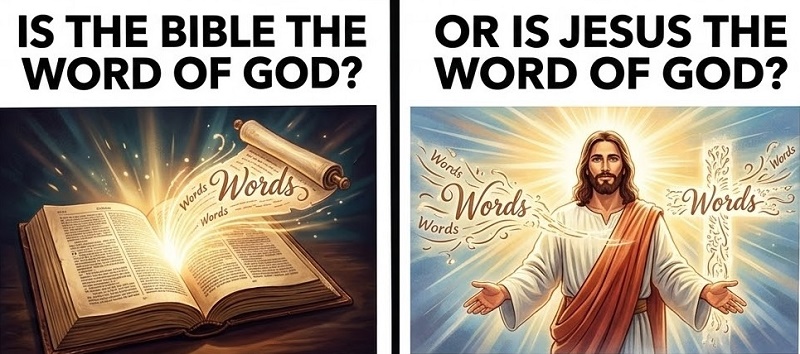
A Book cannot be the sole determinate of what God is like since the same passages are subject to different interpretations. Also, the majority of people born in this world did not have a copy of the Bible. We are left to wonder how a Perfect God, the only God worth believing in, truly loves. It is only intuitive that a Creator loves the ways their creations ought to love one another. We all seem to know the question we ought to ask ourselves – am I loving others like I want to be loved. It isn’t presumptuous to imagine what a loving God is like through our moral consciences. See here.
What was Jesus’ thoughts on God’s goodness or love?
Many, including me, are convinced to understand Jesus is to understand God. It seems Jesus came to suggest salvation is a current life of love, not a future destination to avoid Hell. Jesus told the woman who had committed adultery: “go now, and leave your life of sin” (John 8). Where was Jesus’ evangelical spiel? Jesus was asked by a religious expert how to have eternal life. He simply said to love God and your neighbor (Lk.10:25-37), since loving God leads to loving others. Jesus confronted the religious who kept laws but didn’t follow Jesus with their heart. Godly love surely seeks to empower us to be the unselfish people we deep down desire to be for a better world. See here.
Goodness or Godly love is exactly the same!
The Bible doesn’t always describe God in perfect human moral terms, so may God-believers resort to suggesting God’s actions are sometimes a mystery. Believers assume God must be perfectly good so rationalizations are made, since they assume the entire Bible is approved/inspired by God, They must explain why the Bible reports God acting violently or destructively. See 9 Reasons To Not Trust The Bible’s Claims About God! But a Book can’t be the definitive word about God since subject to different interpretations, and we can’t prove God always controlled what the writers understood and wrote about God.
How you imagine God’s love can determine how you relate to God
- The truth is we can’t know definitely what an invisible God’s love is like. But the only God worth believing in loves perfectly. What is perfect love?
- I propose we can know what God’s perfect love is like but imagining what a perfect parent’s is like. We can’t always know what perfect love is – whether to let an addict hit bottom or force them into rehabilitation – but only the guilty don’t know sexual abuse or domestic violence is evil.
- If we think God is hard to please and pissed off about sin rather than what sin is doing to us, we may judge others just as harshly rather than showing patience and mercy
- If God is really a warlike God according to the OT, we will use such behaviors to possibly justify going to war when we should
- If God condemns gays, we will condemn gays out of devotion to God
- If God thinks men have authority over women in some positions, that will filter down to your wives, daughters, and friends and stifle their gifts.
I’m convinced belief in a benevolent God, according to common moral intuitions, makes you kinder. We often treat others the way we think God treats us. How has God’s threats of punishment helped you break away from bad habits or behaviors you long to change? I guess fear God if helps to avoid consequences of destructive actions. But if struggling and need encouragement and mercy, a loving God awaits with open arms. Grace or authoritativeness doesn’t guarantee change, but I believe we best change because of a friend’s or God’s love and acceptance. See It Matters If Your God Is Nurturing Or Authoritative!

Mike Edwards has been writing for Done with Religion for some time and has been a great addition to the site. Mike also writes on his own site that can be found at What God May Really Be Like He can be contacted by email at: medwar2@gmail.com





 Done with Religion