Feeds:
Posts
Comments

Archive for the ‘Jesus follower’ Category

by Jim Gordon

It seems most of us Christian people are quick to say we are accepting of others. Yet, we often find that we are only accepting of those who believe the same way we do.

If we meet someone from a different faith, different nationality, different political party, we would rather argue with them and defend our way of thought just to prove they are wrong or unworthy of our acceptance.

When looking at the way Jesus lived, we see a life of loving others and accepting those who the religious crowd did not like. He was kind, loving, forgiving and caring to all he came in contact. It seemed his main conflicts came from the religious self-righteous leaders.

Jesus walked with the prostitutes, the demon possessed, the heathen, tax collectors and people who the religious crowd felt they should stay away from. Today we seem to think we have to stay away from those who are different or doing things we disapprove of to prove how righteous we are. We never see Jesus doing such things. He enjoyed spending time with people from all walks of life. He got in trouble with the religious people of his day for living this way, and we find this still happens today when we accept people just the way they are.

Rather than being judgmental and unaccepting, we should be kind, accepting and sharing the love of God to everyone we meet. After all, we are not called to point out the sins of others and say what is and what is not sin. We are called to love God and love one another.

Jesus never said to separate from people. He said to go into all the world and preach the gospel. The gospel is the good news that we are loved and accepted by God. We can do this by living a life of love, acceptance and allowing the love of God to touch people right where they are.

It seems to me rather than fight and argue over doctrine, interpretation and belief we would do better to love, accept and show compassion. This certainly does not mean we have to agree with everyone, but we do not have to be unaccepting nor always defend our way of thinking.

Many of us think we have it all figured out and our way of faith is the only way. We think we have to persuade others to come to our way of thinking or they are doomed to hell. As we grow in the Spirit, we come to see that some of our interpretations and beliefs were wrong, so why should we tell others what is right and wrong and tell them how they should believe? This should be something between the individual and the Spirit within.

I am not sure any of us have it all figured out, in fact I know none of us do. We all have room to question, learn and change. I know my wife and I are doing more questioning than we ever did and we are finding new truths as we walk daily in the Spirit.

When it comes down to it, we should be open to accept others no matter what their way of thinking. People want to be loved and accepted, they want to be happy and get along with others. When we get all religious and defend our point of view it does more harm and drives people apart more than anything.

My wife and I have been asking God for strength to accept and love everyone. No matter what they believe, no matter what their faith or doctrine, no matter their religion, nationality, sexual preference or color, we want to see them as Jesus sees them. This is a type of love we cannot do on our own. It is only possible by the love of God within us. We want to love, accept and care for people. Naturally we will not always agree, but we want to look past those areas and love them in Christ. We feel this is the way that others will come to see the love of God, not through unacceptance, not through condemnation, not by trying to prove we are right and they are wrong, but by accepting them and loving them with a godly love.

Love does not mean seeing eye-to-eye, it does not mean we agree or always like some of the things people do, but it does mean we look past the differences and love them as Christ loves them. We see them as human beings equally deserving of love, respect and acceptance.

Let’s try to look past the labels and see people who have feelings, who want love and friendship, people we can get to know, learn from, share thoughts and ideas and accept as human beings who were created in the image of God.

Jim Gordon and his wife left the institutional church after spending over fifty years within the system. Jim wanted a way to express his thoughts and concerns about the religious system and why he and his wife decided to leave the institution but not their faith in God. Jim can be contacted by email at: jimgordon731@gmail.com

Read Full Post »

By Mike Edwards

One may claim God is all-powerful or Omnipotent to show respect toward God. But perfect power is uncontrolling.  A perfect God’s love can’t be controlling. How can a God be all-powerful if not able to control everything that happens? Our understanding of God’s power matters. A God who supposedly can stop suffering but doesn’t is no different than a parent who stands by and watches their child suffer. 

God can’t be all-powerful! 

Thomas Oord in his new book defends ably that the Bible doesn’t necessarily claim God is all-powerful and can do anything. See here. God can’t tempt others (Jas. 1:13). God can’t lie or be unloving. In Chapter 2 Oord gives many great examples where we must be more careful claiming God is all-powerful or can do anything. We all have heard examples such as God’s can’t make a married bachelor, or God can’t make a round square. God can’t make one believe or freedom would be a farce. It makes no sense to say God can exert all power and creatures can exert some power. Oord points out that “qualified omnipotence is an oxymoron.” Thankfully, there are limits when we think of God’s power. 

God can’t be responsible for evil

I have never understood why God doesn’t stop evil if God can do anything.  If “everything happens for a reason” because of God, this would make God responsible for all goodness and all evil. It is claimed a mystery how God can cause or allow evil but not be evil. This isn’t true for humans. Some claim all evil eventually leads to good as if some grand plan by God. Hardly! Ask sexual abuse victims or family members of murdered victims.

Perfect love isn’t controlling. Ask any adult child. Evil and suffering in the world may be because God cannot intervene single-handedly without being controlling. Such freedom by God is necessary for authentic relationships to develop. Forced love is an oxymoron. God is surely doing all they can to stop suffering with the help of others. It isn’t that God had the power to do something about it, but chose not to; it’s that God can’t. Divine love limits divine power.

What about prayer?

Many prayers asking for healing are obviously not answered. I doubt God is arbitrarily choosing to bless some and not others. Are miracles arbitrary? Conditions in our body may not always be right. Various biological and environmental factors are involved such as cells, organs, etc. If God wouldn’t take away your human freedom, it may not be a stretch to say God has to account for natural freedom as well. Miracles can happen when God’s uncontrolling love aligns with countless factors known and not known. God surely intervenes when circumstances will allow. See here.

What can God do? 

God can be loving. The only God worth believing in or having a relationship with must be a perfect Lover. God can’t be all-powerful or controlling and be true to God’s nature. Oord says it best in his last Chapter – Omnipotence is dead, Love is alive. Oord goes on to say that so many positive elements can come from affirming a universal, divine Lover. Such a Spirit empowers, inspires, and accompanies us in our relationships with others. God knows and empathizes with us in our suffering. God obviously grieves due to all the evil in the world. God suffered when Jesus was crucified. God suggested through Jesus’ example and words what kind of life lived here on earth can make for a much grander world.

God Can’t Be All-Powerful!

MikeEdwardsprofilepic125

Mike Edwards has been writing for Done with Religion for some time and has been a great addition to the site. Mike also has his own site where he writes that can be found at What God May Really Be Like  He can be contacted by email at: medwar2@gmail.com

Read Full Post »

By Mike Edwards

I am convinced that God likes you. God isn’t pissed at you all the time for not abiding by God’s standards. God desperately seeks a personal relationship with us all. “Religious people sometimes speak of God as if he were just another human magistrate who seeks his own glory and requires obedience for its own sake…God wills for us the very thing we really want for ourselves, whether we know it or not…” [Thomas Talbott, The Inescapable Love Of God, p. 185]

What does the institutional church say? 

I attended a lot of different churches growing up. It seems all God thinks about is our choices to sin. If you have any of my characteristics, God isn’t exactly in love with you all the time. But why would God be like that if earthly parents don’t stop loving their kid – they hate what sin is doing to the child; they don’t hate the kid. A relationship with God, rather than an emphasis on rules and obedience, is our necessary nourishment to conquer our battle against self-centeredness. The fear of God doesn’t lead to changed hearts. When we feel a meaningful bond with our parents, we are more motivated to follow their guidance which often is in our best interest. An intimate friendship with God can transform us into the kind of person we want to be.

How do we know God is like an earthly parent? 

Surely a loving Creator would love the way we were created to love. God’s love surely is the same as supreme parents – other-directed not self-consumed. Love gets excited when we do well and make a difference in the lives of others. Love anticipates, hopes for our success, believes in us. God is pulling for us, even when failing, because I do the same for my children. We doubt God but God still loves. We are dependent on our children for intimate relationships. An all-powerful God would only give us uncontrolled freedom if seeking a partnership and friendship with us. 

But what does the Bible say? 

I am convinced God only wishes for all to consider the possibility of a loving God who desires to help you in your journey of becoming the person deep down you want to become. Loving, human parents don’t require certain beliefs from their children before hoping they will consider if they love them. Are we better lovers than God? We can’t all agree what the Bible says, even on many moral issues, but the central message about God in the Bible seems to be to strive to love others like you want to be loved. Why would God be any different toward us? 

Your view of God matters!

We know God is speaking when we hear: I love you, I forgive you; I won’t abandon you; let’s see what happens, I want what you want deep down; I am not really like who some people say I am. Do you want to believe more in God? I am not sure there is anything to lose in beginning a journey of faith if the desire is to live life with fewer regrets. Personally, the biggest reason for being a God-follower is the inspiration and encouragement I sense in striving to be a better human being. If God is real, they should be able to make their case with each individual.

What May Be The Greatest Insight /Game Changer About God?

MikeEdwardsprofilepic125

Mike Edwards has been writing for Done with Religion for some time and has been a great addition to the site. Mike also has his own site where he writes that can be found at What God May Really Be Like  He can be contacted by email at: medwar2@gmail.com

Read Full Post »

By Mike Edwards

We all are judgmental not just Christians. Christians have less of an excuse to be judgmental. After all, we are guided by the principle of loving others as we want to be loved. Jesus certainly didn’t seem judgmental. He hung out with all kinds of people who didn’t necessarily have His same beliefs. Jesus did get His dander up with religious folks because they were misrepresenting God. Christians may be doing God a favor if questioning certain claims made about God, and they stop trying to force their beliefs on the rest of the world.

Would you naturally assume if not for your understanding of a Book that: 

  • God condemns gays though gays no more choose to be gay than straights choose to be straight
  • God prohibits women serving as pastors or priests though my wife and daughters are a lot smarter and better leaders than a whole lot of men
  • God encourages wives being more submissive to husbands which is conducive to abuse
  • God judges based on religion when the religion the majority adhere to depends where born

Even if the entire Bible is inspired by God, interpretations aren’t inspired. It seems the most loving approach would be to claim uncertainty than to be wrong. Be careful judging others according to your understanding of a Book, especially if interpretation go against your moral intuitions. 

Should Christians ever judge?

I am not suggesting we shouldn’t stand up when children or women are abused. If judgment is necessary, shouldn’t we judge one by their character rather than their color, gender, religion, or beliefs in God? It shouldn’t be in our nature to unload on others because their beliefs aren’t ours. It’s hard to know why some believe in a God and not others. Neither is hardly a personality flaw. If God is real, God surely is big enough to make their case with each individual. But it is a universal principle, except for the selfish, that we ought to treat others like we want to be treated.     

Is God really all that judgmental?

If we think God is hard to please and pissed off about sin rather than what sin is doing to us, we may stop going to God when failing. God desires perfection for our own sake but surely celebrates our victories along the way. Our image of God can dictate our actions toward others. If we believe God really created such a place as Hell see here ,we may think we should emulate God in our attempts to judge and punish. If God punishes us forever (Hell) for sins briefly while here on earth, aren’t we teaching others to fear God? Help others to consider what a loving God would really be like!

Why Are Christians So Judgmental?

MikeEdwardsprofilepic125

Mike Edwards has been writing for Done with Religion for some time and has been a great addition to the site. Mike also has his own site where he writes that can be found at What God May Really Be Like  He can be contacted by email at: medwar2@gmail.com

Read Full Post »

by Michael Donahoe

Many people talk about the problems we have in the schools today. Often we hear the reason being that God and prayer have been removed from our schools.

Actually, this could not be further from the truth. God and prayer have never been removed from our schools. As believers, the Spirit of God lives within us and is available to hear our prayer anytime, anywhere.

What has been removed from schools is a set, standardized prayer by a teacher or someone leading the whole class. And quite frankly, this type of prayer should have been removed from our schools. Our public schools are made up of children from many beliefs, many faiths and many religions. We cannot nor should we force one religion’s views on everyone.

As Christians, we believe that through the Spirit we have the presence of God with us always and we can pray anytime we feel like it. Prayer can be done silently and internally, so no one needs to be distracted or forced to listen.

God and prayer cannot be removed from any place. We just need to remember the fact that the Spirit of God is within us and available to us each and every day.

Michael Donahoe was added as a writer as his views fit perfectly with those of Done with Religion. He also writes on Substack at https://myopinionblog.substack.com/

Read Full Post »

By Mike Edwards

Christian leaders and companies use the term “biblical truths,” but these same leaders criticize those who dogmatically claim “the science says.” The truth is that it isn’t science if there isn’t debate. What we may think is science today may be updated in a year. Biblical truth, according to one’s interpretation, is also debatable. Both Christian leaders and government health officials must engage in healthy debate. Religion and science play God (Superior) in the lives of others by claiming they know the truth and we are too stupid to decide for ourselves! 

Christian leaders claim certainty concerning “biblical truths”

The Bible as literature has to be interpreted. Many claim to be certain about God according to the Bible, but biblical scholars who have a deep respect for Scriptures don’t agree what the Bible says about gays, women, and hell, and other moral issues. See here.  See here.  See here.  Besides, even if we agreed on interpretation, we can’t prove God controlled the thoughts of the writers of the Bible in conveying a perfect view of what God was like. The Bible is still valuable as recorded history of God with the Israelites, challenging us to think about what God is really like.

Christian leaders though accuse Government officials of claiming certainty

Many Christians leaders accuse the current government Administration and health officials of misleading by maintaining their interpretation is scientific truth. They argue it isn’t science without debate. Well, it isn’t biblical truth because you say it is according to your interpretation. It is true science is fluent. Drugs are often approved initially, only to be pulled from the shelves later after causing death. It is also true we can’t prove God exist much less that our view of what God is like is correct. ‘Uncertainty” falls both ways – religion and science.

How to live in a land of uncertainty 

Certain absolutes are universal and obvious to all rational beings, whether it is found in the Bible or science.  Does anyone reading this not believe physical or sexual abuse is wrong? All agree we shouldn’t be lied to. Adultery only isn’t wrong in the eyes of the betrayer. Christian leaders must admit uncertainty in the arena of non-universal, biblical beliefs. Christian leaders then can rightly demand debate when it involves responding to a pandemic, taxes, climate change, or immigration. 

How Leaders Can Proceed

It is not right to claim certainty when you may be wrong. When universal agreement doesn’t exist, it should be obvious that one must be allowed to form their own opinions since uncertainty exists. We must stop being so damn certain of our understanding of God according to the Bible, especially when our interpretations are contrary to our moral intuitions. The central message about God in the Bible seems to be to strive to love others like you want to be love. I will debate anyone who thinks a loving God, by Jesus’ example, encourages treating others like shit. We can stop labeling those who disagree with our biblical interpretations as heretics. We can stop calling those who disagree with our views of science as conspiracists. We must fight for freedom to debate opinions!

How Christian Leaders Are Hypocrites In The “Truth” War!

MikeEdwardsprofilepic125

Mike Edwards has been writing for Done with Religion for some time and has been a great addition to the site. Mike also has his own site where he writes that can be found at What God May Really Be Like  He can be contacted by email at: medwar2@gmail.com

Read Full Post »

by Jim Gordon

What do people think of when they hear the word Christian? With some of the discriminatory and hateful happenings recently with extreme groups who claim to be Christian and with the rise of Christian Nationalism, I feel it is getting a little confusing what the real meaning is.

My wife and I have seriously questioned whether we should continue to use the word Christian to identify us or not. Basically, it all boils down to what we mean by Christian.

If being a Christian is being part of a religion that meets in a building on a particular day and follows set doctrines based on what denomination we belong to, then no, we are not Christians. If being a Christian is considered being part of a group that follows various spiritual beliefs such as Jews, Muslims, Hindu, Baptists, Methodists, Charismatics and others, then no, we are not Christians. If being a Christian is being part of a group that is opposed to all other religions and only accepts those who believe like they do, then no, we are not Christians. If being a Christian has anything to do with religion, political power, hatred, exclusion, discrimination and such, then no, we are not Christians.

In Acts 11:26, the disciples were first called Christians by people in Antioch. They were called Christians because they were acting like Christ. The people there were calling them little Christ’s because of the way they showed the love and power of Jesus. Now, if that is what is meant by being a Christian, then we are all in.

There are many ways we can described ourselves…believers, Christ followers, disciples of Jesus, people of faith, people of the way or even Christians. Yet, the name itself does not really matter. What matters is how we live our lives. Is Christ preeminent? Are we living as one with him? Are we allowing the love of Christ to live through us, accepting others, loving others, including others and being little Christ’s to all we meet? If not, the name itself really makes no difference because we are not being like Christ.

We should not worry so much about the name we use, but by the way we live. When people see us, they should see Jesus. He lives within us and we should be known for the love we have for him and for our fellow man. We are to let Christ live through us each and every day to everyone we meet.

Jim Gordon and his wife left the institutional church after spending over fifty years within the system. Jim wanted a way to express his thoughts and concerns about the religious system and why he and his wife decided to leave the institution but not their faith in God. Jim can be contacted by email at: jimgordon731@gmail.com

Read Full Post »

By Mike Edwards

Your experience may not be mine. I am writing out of frustration. I tend to be more skeptical than most, whether it be about religion, my profession of psychology, or now science. Over time I realized “truth” may be less certain than proclaimed. I needed to be more open-minded. When one is willing to have a calm discussion, why might we hesitate to discuss our views with others who believe differently?

Certainty, not uncertainty, is more comforting

One may not feel confident defending their beliefs. But there may be a stronger reason why we hesitate to discuss different views with others. One may believe what seems to be the popular narrative, without exploration, to avoid anxiety not knowing. Disagreeing with the popular science narrative or church leadership about God’s character can lead to isolation. When universal agreement doesn’t exist, it should be obvious that one must be allowed to form their own opinions since uncertainty exists.

What are the consequences of avoiding uncertainty?

When only one side is presented, control and power grow intentionally or unintentionally. It should be intuitive denying diverse opinions is unloving and controlling. Most don’t except such behaviors in their personal relationships. Having good intentions by believing you are right for the whole doesn’t matter if you could be wrong. Often, we determine one’s rationality based on if their beliefs are different than ours. 

Is there any Truth? 

Certain absolutes are universal and obvious to all rational beings.  Does anyone reading this not believe physical or sexual abuse is wrong? No reasonable God or non-God person doesn’t respect the golden rule in relationships. Criminals don’t defend their murders or thefts; instead, they deny committing such crimes. Adultery only isn’t wrong in the eyes of the betrayer. We don’t debate many laws, only the decisions what is a just punishment.

How can we begin to discuss different views more openly? 

I left the institutional church, but not God, because others wouldn’t engage in non-dogmatic conversations. It can provoke anxiety to imagine our beliefs may not be as certain as we once thought. We must have open discussions and avoid thinking and demanding “supposed truths.” We can stop labeling those who disagree with our biblical interpretations as heretics. We can stop calling those who disagree with our views of science or Covid vaccines as conspiracists. Imagine how different as a people we would be if religious, political, or science folks admitted “truth” is something we strive for together, not always thinking our opinions are the truth!

Why Do We Avoid Discussions With Those Who Have Different Beliefs?

MikeEdwardsprofilepic125

Mike Edwards has been writing for Done with Religion for some time and has been a great addition to the site. Mike also has his own site where he writes that can be found at What God May Really Be Like  He can be contacted by email at: medwar2@gmail.com

Read Full Post »

By Mike Edwards

It is hard for many to wrap their brain around that a Supreme Being exists. Others are inclined to believe there is a Creator. I am convinced the Bible is a main reason many don’t have more of a relationship with a Creator they believe in. I wrote here other reasons people don’t pursue a closer relationship with the God they believe in. Many wouldn’t hold certain beliefs about God unless claimed true by authority figures – according to the Bible. Answers to questions according to the Bible, contrary to our moral intuitions of a loving God, may be the problem!

The Bible, Gays, and Hell 

I believe there are two main beliefs claimed about God because of the Bible that drive others away from God. Many may be unaware biblical scholars who respect the Bible don’t believe Scriptures condemn gay monogamous relationships. See hereIt doesn’t make moral sense why God would condemn gays when they can no more chose who they love than straights can. Ask them! Why would anyone choose to be gay based on the condemnation and bigotry they face?

One would only imagine a loving God creating a literal Hell because of one’s interpretation of a Book.  A loving God wouldn’t torture anyone forever since such pain serves no lasting purpose. Humans wouldn’t even create such a place for their worst enemies. Hitler tortured millions of Jews; God is said to torture billions forever. A moral God can’t be a hellish, sadistic, torturer! We can’t prove God controlled the thoughts of writers to always portray God accurately, but scholars don’t even agree that a literal Hell is a reality in the Bible. See here.

The Bible, talking snakes, and evolution

No one was there in the beginning. You don’t have to believe in magical trees and talking snakes. Those could be a literary device to discuss a relationship between God and humans. Many insist on a literal interpretation of Genesis, that Adam was a literal than representative of the first human. I can believe God did or didn’t use evolution in the creative process – humans evolved over time into a more complex form. See https://biologos.org/

The Bible and God’s violence rationalized

Many notice passages like I Sam. 15:3 where God orders: “Now go, attack the Amalekites and totally destroy all that belongs to them. Do not spare them: put to death men and women, children and infants, cattle and sheep, camels and donkeys.” If you don’t think this is morally shocking, how would you react if reading this same command in the Koran? God is said to order killing boys and non-virgin women but sparing virgins (Num. 31:18). Did God really expect young woman to watch their mothers, sisters, and brothers murdered by men who one day may expect marriage or sex? Biblical scholars are rightly questioning if the authors always depicted what God is truly like. 

So, what is God really like? 

Faith in God or what God is truly like isn’t much different than faith in general. We still get on an airplane, not because we know but have reason to believe it is safe. We can’t always be certain. Surely a loving Creator would love the way we were created to love. Somehow, I know what a true friend or perfect God must be like. A God worth believing in surely desires to inspire and encourage you to become the person deep down you want to become. Choose biblical interpretations and understandings of God that make moral sense, regardless of what others claim the Bible teaches. I have decided a journey of faith with such a God is worth living.

What May Be The Main Reason People Aren’t Closer To God?

MikeEdwardsprofilepic125

Mike Edwards has been writing for Done with Religion for some time and has been a great addition to the site. Mike also has his own site where he writes that can be found at What God May Really Be Like  He can be contacted by email at: medwar2@gmail.com

Read Full Post »

by Jim Gordon

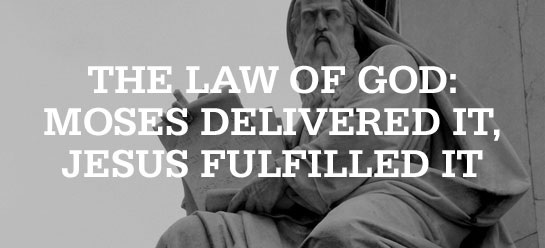
Did Jesus teach from the Old Covenant? Was the birth of Christ the beginning of the New Covenant? When does the Old Covenant end and the New Covenant begin? To be clear, the Old Covenant does not end with Malachi and the New Covenant does not start with Matthew. 

Even though Jesus came to fulfill the Old Covenant through grace, the first thirty-three years that Jesus walked the earth He lived under the Old Covenant. He was required to follow all its rules and regulations. He even taught from those rules, yet those rules are no longer intended for us. ‘But when the fullness of the time came, God sent forth His Son, born of a woman, born under the Law, so that He might redeem those who were under the Law, that we might receive the adoption as sons’. Galatians 4:4,5 

The Old Covenant ended when Jesus was crucified. When He said ‘It is finished’ He was saying the Law, the Old Covenant was fulfilled. When Jesus was resurrected the New Covenant began. We are no longer required to try and live under the Law and the way of the Old Covenant. It is finished!

Actually, the Law was never intended to be put upon those who were not Jewish. Yet, it seems many pastors taught that we were all under the Law until Christ came. Many pastors still teach that we live by grace but still need to try and follow the Law, especially the ten commandments. Funny they seem to forget about the other 603 laws that were given. 

The Old Covenant was basically a tutor. A way God used to show the Jewish people that they were unable to live a perfect life on their own. It was a way to show them that they needed someone to redeem them and restore their fellowship with God. Jesus came and fulfilled the Old Covenant and upon his resurrection made a New Covenant of grace. ‘Do not think that I came to abolish the Law or the Prophets; I did not come to abolish but to fulfill’. Matthew 5:17 

Now that the Law has been fulfilled in Christ, none of us are required to try to live by the ten commandments and the rules and regulations of the Old Covenant. We seem to forget that because of grace we now live by faith in Christ. We are no longer slaves to sin, we are no longer just a poor sinner saved by grace although we were sinners and we are saved by grace. We are now the righteousness of God through Christ. God no longer calls us slaves but calls us sons. We are seated in heavenly places in Christ. This is not to say that we should go out and do whatever we want. We do have freedom in Christ to do what we choose, but there are consequences if we choose things that God has warned us to stay away from. There are consequences, but there is no condemnation to those who are in Jesus. 

Today we choose to live a life pleasing to God because of love. Godly love is the fulfillment of the Law. We love God and we love others, we have been made righteous through Christ and we are the temple of the Holy Spirit. It is the Spirit who guides us, teaches us and gives us strength. We do not love or please God out of obligation. We do not love God because we are trying to fulfill a set of rules and Old Testament laws that we could not live up to anyway. We do what is pleasing to God because we choose to do so because of love.

Jim Gordon and his wife left the institutional church after spending over fifty years within the system. Jim wanted a way to express his thoughts and concerns about the religious system and why he and his wife decided to leave the institution but not their faith in God. Jim can be contacted by email at: jimgordon731@gmail.com
Read Full Post »

« Newer Posts - Older Posts »