Feeds:
Posts
Comments

Archive for the ‘Love of God’ Category

by Mike Edwards

Whether you think God suffers, depends on your view of God. If you think God is unchangeable, you probably believe God can’t suffer. If you define God as relational than you probably can believe God does suffer. If God can’t know an unknown future, he may be surprised or experience the journey with us. See What Does God Know About The Future?

What does the Bible claim

Many get their view of God according to their interpretation of the Bible. I can’t say I get all my information about God just from the Bible. I don’t believe God controlled or dictated thoughts to the writers, so biblical writers/editors recorded what they believed about God.  There are verses that can imply God does suffer or God doesn’t suffer. Since I am inclined to believe God is relational – created with a purpose in mind – I will cite verses to suggest God does indeed suffer.

Genesis 6:6
“The Lord regretted that he had made human beings on the earth, and his heart was deeply troubled

Hosea 11:8
“My heart is changed within me; all my compassion is aroused.”
God speaks like a parent in emotional turmoil over Israel’s rebellion.

Isaiah 63:9
“In all their distress he too was distressed…”
This suggests God is not distant

If you believe Jesus is the Son of God….

the idea of Jesus introduces God choosing to enter human experience, including suffering.

So how can we know what God is like

Why wouldn’t God be most like what our moral intuitions suggest. Our inborn sense of good and evil, not an ancient Book, tells us sexual abuse or murder is immoral. If a Creator exists, it is only intuitive that a Creator loves the ways their creations ought to love one another. God’s love is surely the same as perfect human love. Only a perfectly good or loving God is worth believing in. Such a statement is nonsensical if we are clueless about perfect love. We can talk about perfect Godly love by comparing to perfect, human love. The Bible even suggest perfect human love and God’s love are the same. “Be perfect. therefor as you heavenly Parent is perfect (Mt 5:48). “Follow God’s example (Eph 5:1). We don’t always know what perfect love entails but we know the question we ought to ask ourselves – am I loving others perfectly aka am I loving other like our Creator loves. Problems often begin when we stray from common moral sense and don’t challenge our understanding from a supposed inspired Book.

There is a problem claiming the Bible is the definitive word on what God’s love is like. Ancient literature is subject to interpretation. Even if the writers understood their God perfectly, which we can’t prove, we can’t claim our interpretations are perfect. The truth is biblical scholars who have a deep respect for the Bible don’t agree what God thinks about gays, women, hell, and other moral issues. See hereSee here. See here.  Gays are supposedly condemned, women’s leadership roles are limited, despite their gifts and a fiery torturous afterlife awaits infidels – all in God’s name!

So what is true love when loved ones suffer

God’s love surely is the same as supreme parents – other-directed not self-consumed. Love gets excited when we do well and make a difference in the lives of others. Love anticipates, hopes for my success, believes in me, pulls for me even when failing, because I do the same for my children. Parents bring children into the world hoping their children freely reciprocate their love for authentic relationships. Why would God be any different. When my children suffer, I hurt. Why would God be any different about their children?

Why it matters

I’m convinced belief in a benevolent God, according to common moral intuitions, makes you kinder. We often treat others the way we think God treats us.  I guess fear God if helps to avoid consequences of destructive actions. But if struggling and need encouragement and mercy, a loving God awaits with open arms. If God can suffer, then suffering is not something God merely observes from far away. God understands grief and physical pain. The verse Jesus wept. (John 11:35) takes on a different meaning. It is easier to believe that hurting people matter to God. God may be seen as participating in redeeming suffering rather than ignoring it. If God suffers, evil is not something that God causes or simply allows or surely God would take away their own suffering. Grace or authoritativeness doesn’t guarantee change, but I believe we best change because of a friend’s or God’s love and acceptance. See It Matters If Your God Is Nurturing Or Authoritative!

Mike Edwards was added as a writer and has been a great addition to the site. Mike provides many interesting views and various ways of looking at things. He is not afraid to ask questions and he keeps an open mind as to teachings of the institutional church. Mike also has his own site where he writes at What God May Really Be Like


Read Full Post »

by Mike Edwards

If a child brings up the topic Hell, I would first ask a child what they have heard Hell is. It is hard to believe a loving God would create a place to torture those who didn’t believe while a short time here on earth. I personally don’t think God lights you on fire and doesn’t let the fire go out. The only reason one may believe in a literal Hell is because it is believed to be claimed to be real in a Book (Bible) that supposedly God inspired (controlled the writers having correct views of God written down). But it turns out the Bible can be interpreted to believe Hell is not a literal place. See here.

What do I tell adults about the afterlife?

First one must decide what they believe happens after one dies. One of the main topics in churches is about aiming for eternal life. There is an alternative view what Jesus said about eternal life that is not often taught. Jesus defined eternal life as beginning in the here and now (Jn 17:3), not what awaited in the afterlife. Jesus was asked by a religious leader how to have eternal life. (Lk.10:25-37). Jesus simply said to love God and your neighbor. Jesus answered as if “Eternal” appears to be on the quality not quantity in life. Jesus often spoke of a life worth living being a loving life empowered by God. Jesus’ salvation was about living a meaningful life here on earth with God’s help. The Bible/Jesus/God’s message isn’t dropping to your knees to avoid Hell to go to Heaven after death, but start loving now – a path toward great relationships. 

Few acknowledge the Bible might even declare all go to heaven

It is suggested by many religious leaders that according to the Bible some go to hell and some go to heaven, though doubtful a literal Hell exist. The problem is the Bible, being literature, requires interpretation. It is possible to interpret the Bible as claiming all eventually go to be with God after death.  See here.

We can’t know definitely about the afterlife. So, let your imagination wonder about a loving God/Creator. I am convinced Heaven is a place everyone goes after death here on earth to be with God if so desired. It’s what God wants. In case you don’t believe that, you tell your kid Santa Claus is real and surely you don’t believe that is true – overweight guy visits every house in the world in one night on a sled pulled by reindeers and goes down every chimney. You tell them they will always be safe flying, but you don’t know for sure their plane won’t crash. Tell kids what you think a loving Creator would plan for their creations. Or what would you do as a loving parent? See What Religion Goes To Heaven

So, why not live like Hell!

We are free to speculate what a loving God might do. Go ahead and live like Hell while here on earth! Careful the regrets you, your family, and friends will feel at the end of your life. God only seeks to influence you to avoid a life full of regrets. We are told the message of the Bible is Jesus coming to give you salvation to save you from Hell so you could enter Heaven. I believe Jesus spoke of loving God not to get into heaven but to receive help in loving others as you love yourself now. I seek influence from God in pursuing a life not full of regrets. Try it! It’s on God to come through for you if you choose to follow. Jesus when leaving this earth spoke of having God’s spirit within us.  If you refuse to love, you may end up a lonely, regretful soul. There is a heavenly or hellish way to live life!

Mike Edwards was added as a writer and has been a great addition to the site. Mike provides many interesting views and various ways of looking at things. He is not afraid to ask questions and he keeps an open mind as to teachings of the institutional church. Mike also has his own site where he writes at What God May Really Be Like

Read Full Post »

by Michael Donahoe

My wife and I have some friends who are very much involved and active in certain areas of ministry. We were recently talking about the passion these friends have for their particular ministry.

That got me thinking about passion. The dictionary says passion is a strong or extravagant fondness, enthusiasm, or desire for anything. This certainly describes our friends, and we are happy that they are involved so much.

We both stated that we felt we did not have a passion like this for any particular thing. It actually made us feel a little disappointed and wondered why we did not seem to have passion like our friends.

I think passion is great, yet in some ways, passion for the wrong things or done in extreme ways can be very tiring and frustrating. A passion for money and business success can cause people to work many hours, consuming their energy and taking time away from family. Passion like that can gradually drain your strength and purpose. Yet, people who have passion for showing God’s love by helping others, and using it in moderation, can see their lives enriched and strengthened and often seem to have endless energy.

The only trouble I see with passion is that it can sometimes become an obsession with the ones involved, and they can begin to expect everyone to have the same passion they have for the same thing. This is where we must realize that God designed each of us with different gifts, abilities and passions, and they are displayed differently in each of us.

I think each of us has a passion for what God designed us to be. We may not be as outspoken or even act the same way as others with passion, but each of us reacts in a way that is effective according to the personality and gifts with which we are designed. We may not even realize the passion that shows through to others, but rest assured, God will work through us to touch others with love and fulfill the purpose we were designed to achieve.

We are all designed differently, and we all act and display our uniqueness in various ways. It is wrong to think we are not useful to God because we do not act like someone else. God works through us based on the way we were created. We are each unique temples of the Holy Spirit, and we each make an impact on those we have contact with through the power and love of God within us.

Michael Donahoe created Done with Religion after he and his wife left the institutional church after over fifty years within the system. He wanted a way to express his thoughts and concerns about the religious system, and tell why he and his wife decided to leave the institution but not their faith in God. They have now been outside the walls of religion for over fifteen years. He enjoys writing about his experiences and thoughts, and he wants to encourage others who are going through the religious deconstruction process. He also writes on Substack at https://deconstructiontrail.substack.com/ and https://personalmeanderings.substack.com/ Michael can be contacted by email at: jimgordon731@gmail.com

Read Full Post »

by Mike Edwards

I wrote here my thoughts what to say to a child when they ask about Hell. See here.

Confession. I told my children some 35-40 years ago to say “this is not my father” when a stranger tries to take them away. I don’t think I would do the same today to not freak them out. My kids were not traumatized. It is now a joke in the family what Dad told them to do to be safe. What would I tell them now?

Every child is different. AI has good insights “what to tell a child about strangers.” Decide the best response for each child. Some kids are more sensitive than others to scary conversations. Part of parenting is to figure out the best advice for each child. Tailor your strategy to a specific age group (for example, 4–6, 7–9, or preteen)?

How to Start

After thinking about what each child needs, be sure to tell them not all strangers are bad, but children should be careful until a trusted adult says it’s okay to go with someone they don’t know. Encourage your child to always ask you when they aren’t sure. Of course, parents can’t always be around, so I would suggest to tell them never go off with anyone they don’t know. Maybe if forcefully taken, they can start yelling “this is not my father.”

There is no perfect answer, depending on each child’s sensitivity. Just think about best conversation to have depending on their age.

Mike Edwards was added as a writer and has been a great addition to the site. Mike provides many interesting views and various ways of looking at things. He is not afraid to ask questions and he keeps an open mind as to teachings of the institutional church. Mike also has his own site where he writes at What God May Really Be Like
Read Full Post »

by Mike Edwards

There is a difference between Islam and Islamism. Islam is a religion. Islamists are influenced by Islam but Islamism is a political ideology that seeks to organize and control government. It matters if one’s beliefs are based on Islamist principles. Islamism in my opinion is not compatible with Christianity or can coexist.  Individuals must be asked specifically their below beliefs. Please don’t accuse me of being Islamophobic

I have written about my concerns regarding Christian nationalism. See here. I have written American was founded on Christian principles, but leaders should be careful in their language. The Founders believed in freedom of religion and beliefs. There is a difference in saying we are founded on Christian principles and we are a Christian nation. This seems to exclude all non-Christians. It boils down to how beliefs are acted on.

What is the main difference?

Allah had no son. Christianity claims Jesus was the Son of God. Christianity declares Jesus is what God is like. Readers have to decide who to follow. Allah or God and Jesus.

How is blasphemy treated?

Blasphemy means speaking disrespectfully about God or insulting sacred things. Leviticus 24:16 says someone who blasphemes God should be put to death in ancient Israel. But the New Testament shifts the focus from civil punishment to spiritual consequences. In most modern Christian-majority countries, blasphemy is not punished by law.

Islamism generally treats blasphemy as both a religious sin and a crime against the state. Because Islamism advocates for governments ruled by Sharia law, blasphemy is often treated as a criminal offense, not just a moral one. Even death for severe cases, particularly if the offender is seen as abandoning or attacking the faith. I am not aware Christianity having any such laws.

How to treat infidels

In Christianity, people who do not believe in the Christian faith are usually called unbelievers rather than “infidels.” The way Christianity views them comes mainly from the teachings of Jesus Christ and the New Testament. They are seen as people that God loves. (Rom 5:8, John 3:16) I do not think any form of Christianity can be accused of deadly consequences based on beliefs or not granting freedom of belief on earth.

In Islamism non-Muslims may be allowed to live in society but with a different legal status in a state governed by Islamic law, though interpretations vary widely across movements. Shouts of “Death to Americans” don’t suggest coexistence is allowed according to Islamism.

Gays

Unfortunately, Christians are not united in claiming God does not condemn gays. Many refuse to admit the Bible can also be interpreted to not condemn monogamous same sex relationships. See here  But, at least Christianity cannot be accused of supporting death for those who are in same-sex relationships. Islamism consider that sodomy is considered a capital offense in Iran, where execution methods include public hangings. Many Muslims interpret Islamic teachings differently, but many Muslim governments support criminal penalties that can include fines, imprisonment, or death penalties. That is a severe difference rather than condemnation

And women

Unfortunately, Christians can be accused of women bias as much as Muslims. Sorry, any religion that requires women dress up to protect men’s eyes is anti-religion in my opinion. Men – control your own eyes. But then some Christians claim the Bible requires women submit to men’s authority in certain roles that men are not required ot submit to men. I doubt the Bible teaches that; I am not sure why any fair-minded person would think women can’t fulfill the same roles as men unless believing a Book about God teaches otherwise.

I doubt Paul, a main writer of the New Testament, was a bias against women. See here. Most agree not allowing equal roles because of skin color is immoral. Choosing who should lead the company based on gender is obviously bigotry. The most qualified or gifted should surely lead the company. Why not in church? Men in authority over women whether in public or private life is conducive for domestic abuse and the other atrocities women face at the hands of men. Give me an inch and I am tempted to take a mile! So, both religions suck and have extremists.

What about Violence

Many, but not all, Christians and Muslims, can be accused of advocating violence and possibly genocide. Most religions allow war in certain circumstances when fighting evil. The problem is extremist groups like ISIS can misuse Islamic language to justify violence. Christians aren’t necessarily off the hook. Some suggest the Old Testament advocates violence or genocide in certain circumstances. (I Samuel 15:1-5) It certainly seems that way. As discussed below the problem is whether one’s holy Book is inspired by God. If writers are portraying God accurately because God is controlling their thoughts, as opposed to sharing their own opinions of God, then most followers feel an obligation to follow in their God’s inspired footsteps. 

The problem with inspired Scriptures

There are extremists with any religion whether Christian, Jewish, or Muslim. The problem often is how supposed inspired texts by God are interpreted. It is rarely admitted that our interpretative views of God according to the Bible could be right or wrong. Some say God condemns gays according to the Bible, others interpret the same passages differently. Even if we could prove God inspired every word in the Bible (God controlling what writers thought and recorded), we should always question interpretations since biblical scholars interpret differently the same passages.

Supposed inspired interpretations by God or Allah can lead others away from God, because if a Supreme Being advocated a belief, most assume we are obligated to endorse and follow. I argued that if we did not assume literature is inspired, but rather the writers wrote what they believed was true of their God, we could avoid extremism. Use common moral sense to understand God, rather than assuming writers never misunderstood God. See Shouldn’t we assume the Bible isn’t inspired by God – all rants against the Bible

Final Thoughts

I believe those who claim Islam or Islamic as their beliefs would refer to themselves as Muslims. Those who claim Christianity as their religions would call themselves Christians. Not all Muslims or Christians hold the same above beliefs. Their beliefs should be questioned to discern what actions may follow. One may think I have been biased toward Christians reading the above. I do associate more with their beliefs than many Muslims. I believe Muslim beliefs are more extreme than Christian’s beliefs. Depends on their belief of their Holy Book and interpretation. Let’s have open discussion of personal beliefs.

Mike Edwards was added as a writer and has been a great addition to the site. Mike provides many interesting views and various ways of looking at things. He is not afraid to ask questions and he keeps an open mind as to teachings of the institutional church. Mike also has his own site where he writes at What God May Really Be Like
Read Full Post »

by Michael Donahoe

The Ten Commandments, tithing, church attendance, do this, do that, do not do this, stop doing that….we Christians like to make things so much more difficult on ourselves. We have the mentality that in order to be approved by God we need to obey the law and be busy doing things for Him. I guess that by doing these things we feel better about ourselves and more spiritual because we feel we are doing something for God. 

In Galatians we are told that we are not justified by the works of the law. We are justified by faith in Jesus. He lived a perfect life here on earth. He lived a life that fulfilled the Law, or the Old Covenant. He said, ‘it is finished’, meaning the old agreement was fulfilled, complete and done.

When He died and rose again, he began a new covenant, a covenant of grace. He restored us to fellowship with God. We are now raised up as new creatures in Christ and live as the righteousness of God because of the grace we received through Christ. 

We no longer live according to the Old Covenant. We no longer need to try to live by following the law. We are now free in Jesus, and we live each day by faith in Him. We live out of love for God because of the grace that was given to us by Jesus. When we continue to try to follow the ten commandments and Old Testament Law, we are saying that the death of Jesus was not enough. 

Enjoy the freedom Jesus provided to you. Do not bind yourself with all the rules and requirements of the law. Live a life being free in Christ and live it out of love. Love for God, love for the one who restored our fellowship with God and love for one another.

*******

Michael Donahoe was added as a writer for Done with Religion as his views fit perfectly with those that are shared on this site. He and his wife have been outside the walls of religion for over fifteen years. He enjoys writing about his experiences and thoughts, and he wants to encourage others who are going through the religious deconstruction process. He also writes on Substack at https://deconstructiontrail.substack.com/ and https://personalmeanderings.substack.com/

Read Full Post »

by Mike Edwards

I am not one to often recommend Bible stories. See Here my rants AGAINST the Bible. But, my wife found such a book that I felt comfortable recommending my kids read to my grandkids. She doesn’t have the same views of the Bible that I do. I really liked The Complete Illustrated Children’s Bible

I wrote in the front of the Book a suggestion to explain to my grandchildren in ways they can understand before reading. I grew up in the institutional church for decades and this perspective was never shared with me.

Keep in mind Bible stories aren’t always literal stories but the writer used a short simple story to teach a moral lesson or truths about God. Or to illustrate ideas about life, behavior, or values. For example, the New Testament include parables – such as the Good Samaritan which teaches about kindness and helping others. It doesn’t matter if the story really happened.

(There really weren’t talking snakes in the Garden)

(God doesn’t really keep unbelievers alive and torture by fire after death. See 12 Reasons To Believe Hell Is A Myth!)

We don’t have to know if the story is literal. Explain to your children the differences in stories. Instead of the writer stating the lesson directly, the story lets you figure it out. That is the fun part of reading Bible stories to children. Ask questions of your children “what do you think God or the Bible is trying to teach us?”

Mike Edwards was added as a writer and has been a great addition to the site. Mike provides many interesting views and various ways of looking at things. He is not afraid to ask questions and he keeps an open mind as to teachings of the institutional church. Mike also has his own site where he writes at What God May Really Be Like

Read Full Post »

by Mike Edwards

Certain religious groups (some Christians and some Islamic movements see the war in Iran and Middle East conflicts connected to end-time prophecies. Some rhetoric around the Iran conflict has referenced Armageddon and biblical prophecy. It is often that different religious groups interpret the Bible’s prophecies in different ways. The honest answer to the question asked in the title of this Post is that no one can definitively say we are living in the Biblical “end times.” It depends on your interpretation. How we answer this question matters. War decisions are made based on beliefs which lead to many lives lost.

Why is it likely prophecy doesn’t predict the future?

There are two basic views of prophecy in the Bible. That prophecy foretells future events that will happen or that prophecies are conditional. Whether they come true depends on the actions of nations. Prophecies may only be warning about future possibilities. Prophecies that aren’t conditional, on how people respond to God, imply God doesn’t respect the freedom to change. To be free, creatures must choose among possible options, having a say-so in choices. Even the Bible speaks often as if God doesn’t know the future. God hopes Israel would accept God’s guidance, but Israel often turned against God (i.e., Jer. 3:19-20). We don’t have to play mental gymnastics by assuming God is only pretending to not know future decisions.

Believing the world is coming to an end and somehow God is going to rescue you in the sky by a rapture can lead to passivity. We mustn’t wait on God to “fix” things by coming again. We must do all we can for the next generation!

A God who doesn’t knows the future is more relatable

It is natural to think an all-knowing, powerful God has special insights into future outcomes to avoid problems. But God can’t tell you if the person you want to marry won’t end up betraying you or the job you take won’t end up being phased out. A loving human or spiritual parent would warn their child if they knew ahead of time of heartbreaks. God isn’t hiding a “known” future for important decisions. God joins us in an open future.

When the Bible says God grieves with us in our suffering (Psalm 56:8), we can know God agonizes with us each step of the way and deters any suffering possible without violating freedoms or acting controlling. God joins us in our joys and sorrows in real time.

Biblical evidence of the end-times

Many make decisions believing they can usher in the end times. But there are two interpretations. There is some biblical evidence that the end times mentioned refer to what happened in the first century, thus having been fulfilled:

If the Bible teaches God is coming again to destroy the world in the future, why did Jesus tell his audience that supposed predictions about the world ending (maybe not a physical ending) would happen in their lifetime: “Truly I tell you, this generation will certainly not pass away until all these things have happened” (Mt. 24:34)?” Jesus said to his audience when asked about the last days: “watch out that no one deceives you….you will hear of wars and rumors of war (Mt. 24:4-6). Why would Jesus use such language if the world was going to end 2000 years and counting?

Jesus also gave an important warning: “No one knows the day or the hour.” (Matthew 24:36)

Our future 

Shouldn’t believers focus more and more on living faithfully than on trying to predict dates? We must not make war and the loss of lives based on an interpretation of ancient literature. No one can claim their interpretation is correct.

Mike Edwards was added as a writer and has been a great addition to the site. Mike provides many interesting views and various ways of looking at things. He is not afraid to ask questions and he keeps an open mind as to teachings of the institutional church. Mike also has his own site where he writes at What God May Really Be Like

Read Full Post »

by Michael Donahoe

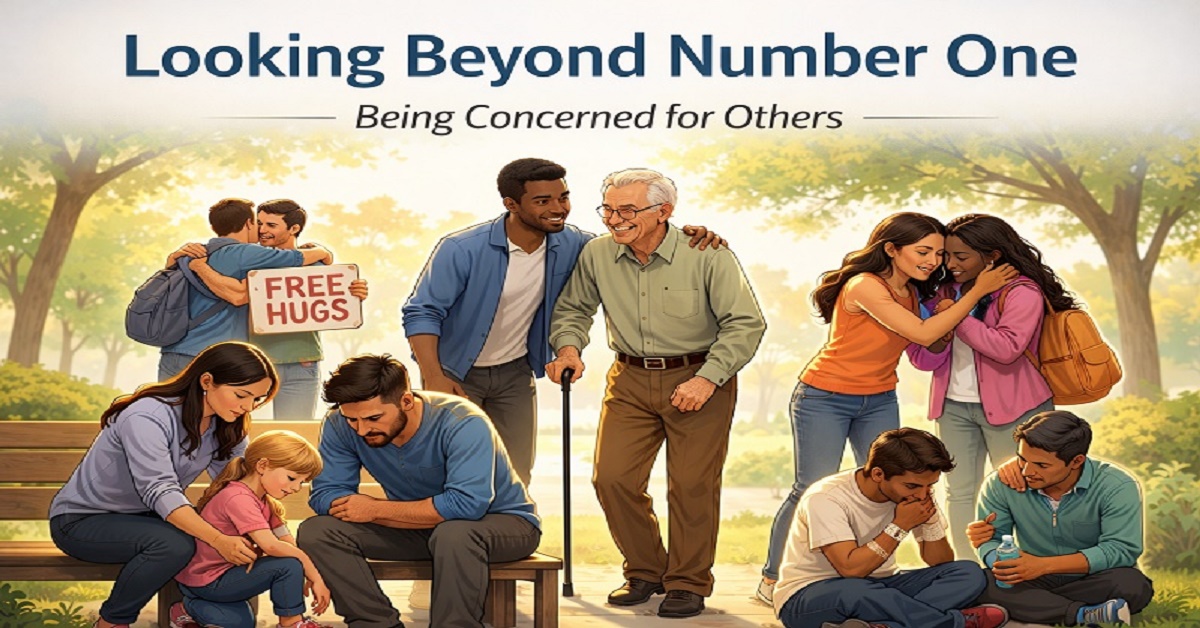
In today’s world, it seems everyone has the I am number one attitude. We are all interested in what is best for us, what makes us happy, how to be more comfortable and satisfied in our lives. Seems like we will do anything we can to get ahead in life, to get all the comforts and things to make it easier for us.

Yet, in the Bible it says do nothing from selfishness or empty conceit, but with humility of mind let each of you regard one another as more important than himself; do not merely look out for your own personal interests, but also for the interests of others. Have this attitude in yourselves which was also in Christ Jesus, who, although He existed in the form of God, did not regard equality with God a thing to be grasped, but emptied Himself, taking the form of a bond-servant, and being made in the likeness of men.

These verses state that as followers of Jesus we should be doing just the opposite of looking out for number one. Our thoughts and attitudes should be how we can show the love of God to others, what we can do to help those in need, how can we use the money God has blessed us with to help the less fortunate.

God says that the fulfillment of the Law is to love the Lord your God with all your heart, soul, strength and mind and to love others as yourself. While the good things we have been given and blessed with by God are not wrong, we need to keep in mind that they are not the important part of our lives. We are to be thinking of others and their need for love, acceptance, respect and help. Our way of thought should be how can we encourage and build up someone else, how can we help meet a need in their life.

There is nothing wrong with taking thought of our wants, needs and interests as the verse states do not merely look out for your own interests. Unfortunately, many times our own interests are all that concern us. May we daily ask for God to help us think of others and be ready to care for them in any way possible with God’s leading.

*******

Michael Donahoe was added as a writer for Done with Religion as his views fit perfectly with those that are shared on this site. He and his wife have been outside the walls of religion for fifteen years. He enjoys writing about his experiences and thoughts, and he wants to encourage others who are going through the religious deconstruction process. He also writes on Substack at https://deconstructiontrail.substack.com/ and https://personalmeanderings.substack.com/

Read Full Post »

by Michael Donahoe

I think that as followers of Jesus, we should be able to accept and love everyone. No matter what we believe, what our faith or doctrine is, no matter our religion, nationality, sexual preference or color, we want to see each other as Jesus sees us. This is a type of love we cannot do on our own. It is only possible by the love of God within us. We want to love, accept and care for people.

It is only natural that we will not always agree, but we want to look past those areas of disagreement and love each other in godly love. This is the way that others will come to see the love of God, not through condemning and bashing one another. Not in trying to prove we are right and everyone else is wrong. Love does not mean seeing eye-to-eye, it does not mean we agree or even like some of the things people do, but it does mean we look past the differences and love each other as Christ loves us.

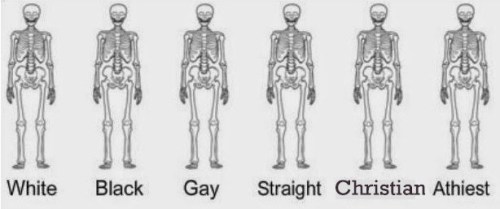
No matter if we are gay or straight, black or white, religious or atheist, Christian, Muslim, Hindu, Taoist or Jewish or whatever label people put on us, the underlying fact is we are all human beings. We all deserve to be treated with respect and be accepted. Each of us should be able to live our life and make our own choices without being judged and condemned by others. We should be able to discuss our differences respectfully, and none of us should try to force our views and choices on others.

equals

If we could look past the labels and see each other as people who overall want the same things, to be happy, to be loved, be healthy, get our bills paid and enjoy life, I think things would be better even with our differences. This is not to say we are going to agree with everyone, happily associate with everyone and always get along with everyone, that is just not going to happen. There are too many different thoughts, ideas, beliefs, lifestyles and personalities for us to agree on everything and be totally comfortable with everyone, yet accepting each other and respecting each other in spite of our differences certainly is a possibility.

Let’s look past the labels and see each other as human beings who have feelings, who want love and friendship. Let’s be people who can get to know one another, learn from each other, share thoughts and ideas and accept each other as being created in the image of God. God loves the world and we should make it our goal to do the same.

*******

Michael Donahoe was added as a writer for Done with Religion as his views fit perfectly with those that are shared on this site. He and his wife have been outside the walls of religion for fifteen years. He enjoys writing about his experiences and thoughts, and he wants to encourage others who are going through the religious deconstruction process. He also writes on Substack at https://deconstructiontrail.substack.com/ and https://personalmeanderings.substack.com/

Read Full Post »

« Newer Posts - Older Posts »