I remember seeing a news article about a group of Christians picketing another church group. Supposedly they were picketing because they felt the church group, who allowed gays and women who had abortions into their assembly, was being soft on sin.
I can only assume that the picketers thought the gays and the abortion people were too big of sinners to be in with the religious folk.
Seems the church assembly who were be accepting was being more Christlike to me, but the whole situation made me feel a little ashamed to be called a Christian. In fact, for me I have decided to give up being called a Christian. Christianity is just another man-made religion, and I am done with religion. Rather than being called a Christian, I think it makes more sense to say I am a follower of Jesus. Jesus did not start Christianity nor did he come to start any religion.
Being a follower of Jesus is a daily, 24/7 lifestyle, not something to be done once a week in a building. It is not following a doctrine or set of rules and regulations.
As a Jesus follower, we accept all people and we love all people, like Jesus did when he walked this earth.
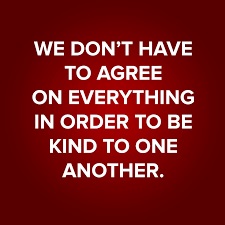
This does not mean we agree with everyone. It does not mean people can live anyway they want and be pleasing to God. But once they come to God, the Spirit comes to live within them and he will guide them in their daily lives and actions. It is not our job to condemn others. Jesus command under the New Covenant is for us to love God and love others.
Like the picketers and church group mentioned above, a lot of Christians today spend more time fighting and arguing amongst themselves while the world watches and laughs.
As followers of Jesus, we need to keep in mind that we, the Church, are the body of Christ in our world. We may be the only “Jesus” many people see. We should keep our focus on Jesus as our all in all, and forsake our personal feelings. In our lives, Jesus should increase and we should decrease.
*******
Michael Donahoe was added as a writer for Done with Religion as his views fit perfectly with those that are shared on this site. He and his wife have been outside the walls of religion for fifteen years. He enjoys writing about his experiences and thoughts, and he wants to encourage others who are going through the religious deconstruction process. He also writes on Substack at https://personalmeanderings.substack.com/ and https://deconstructiontrail.substack.com/
You may be asking what could religion and politics possibly have in common. Both arenas resort to name calling and leads to stifling of free speech. Religion much more in the past, and now politics has followed in its path. In religion if you don’t agree with one’s view of God or interpretation of the Bible, you are labeled a heretic. In politics if you disagree with one on immigration, climate change, etc. you are labeled a conspiracist. Often, these uncivil actions lead to denying or attempt to censor the opposing view point.
What is Free Speech.
It may shock some people that I believe the use of the N _ _ _ _ _ word should be allowed on any media platform to remain consistent in my views of free speech. Even the evil behavior in my opinion behavior of denying that the Holocaust actually happened. Those who engage in such actions exhibit hate for black people or Jews. I say why let them hide behind such beliefs by not having the freedom to express themselves. One can be a racist in their thoughts or words but they cannot advocate violence toward those not of their color. I didn’t say race. There is one human race in my opinion. The melatonin of your skin determines your color.
Without such free speech, there can be no debate of ideas or information if blacks are inferior to whites or that Jews have not been grossly persecuted over the centuries. Such ideas should be exposed in public for others to know one’s beliefs. By chance one is open to change, free discussions can only possibly lead to change. I like my chances of winning the debate.
The problem with labels
What are often labeled conspiracies are really just theories/speculations. It isn’t a conspiracy if it could be true! Truth should be viewed as a journey to be discovered. Anyone who accuses one being a conspiracist or heretic should have to defend their views that are supposedly truer, rather than attempting to censor. How can a conversation remain civil when name-calling begins. When one says they doubt a loving God would create a literal Hell, each should have to defend their position which may mean looking at different biblical passages. Many who believe in a literal Hell believe so because of their interpretation of Scriptures. Name-calling allows one to not have to defend their point of view and veers the conversation off the topic/disagreement at hand. The path to change is considering opposing beliefs. I find it hard to trust one when avoiding discussion/debate. It often turns out labelers/accusers are the source of misinformation.
What is a supposed Heretic?
Matters labeled heresies today are much different than earlier in history perhaps, but past and present accusers share something in common – accusers are claiming their interpretation of the Bible is the correct one. Many will proclaim “the Bible says” without acknowledging many don’t agree with their interpretation. Scholars do not agree on many moral issues. I was told often when younger that the Bible teaches there is a literal hell where unbelievers in the afterlife or tortured with fire forever after a few short years living here on planet earth. 12 Reasons To Believe Hell Is A Myth! Moral of story – don’t believe everything you hear claimed about God! See here. Other viewpoints are also claimed to be heresy without discussion:
God didn’t inspire the Bible, thus approved, all written in the Bible See here.
Salvation in the Bible isn’t about avoiding Hell and getting into HeavenSee here.
One can’t be a Christian if not attending the institutional church. In the Bible “Church” was not a building or a place attended once a week. Jesus referred to His followers as being the Church. Jesus did not specify where followers must gather or what they must do. Find environments to be encouraged and inspire others to love as radically as Jesus did. Some of us grew weary of religion but not God. See here.
What is a supposed conspiracist?
The truth is settled science isn’t science. Turns out the so-called conspiracists weren’t the misinformers. For only a few examples:
Covid virus leaked from a lab – Many were kicked off/censored from mainstream platforms because they suggested the Covid virus came from a Chinese lab. Turns out they were right. The Government now agrees years later. We weren’t allowed to ask questions
Masks – Those who claimed masks didn’t prevent the spread of a virus were called mis-informers. Turns out a review that dug into findings of 78 randomized controlled trials discovered wearing masks made little or no difference in stopping the virus. See here. Lots of my friends who wore masks got Covid. Their level of symptoms no different than mine.
It has been declared in the past that the Covid vaccines prevented infection and transmission of the disease. That was the purpose of mandates and protecting grandma. Scientists and doctors who declared otherwise were censored, but it turns out they weren’t the mis-informers.
Free speech is necessary to allow the battle of ideas when certainty doesn’t exist
A preacher can’t claim God condemns gays because the Bible says so. Many of us don’t believe the Bible says any such thing. See here. Most of us believe except true racists that all humans are created equal, not that one’s skin color determines superiority. Yes, the KKK is allowed to state their hate speech on public platforms. I like my chances of winning that argument in the free market of ideas. I enjoy racists being exposed for their ideas. The only free speech that should be censored is that which encourages others to commit violence on others. You can’t say “any Jew you see should be killed.”
How do we move forward
We should question authorities in all areas of our life in case they are wrong. Because of my early religious experiences and contrarian personality – I knew to question health experts who said to trust them without debate. I would suggest you are better off doubting what you have been told and verify it for yourself. It can save you from regretful decisions in the arenas of religion, science, and politics. Assume uncertainty if you have one rational friend who believes differently from you whether it’s about religion, science, or politics.
It should be intuitive those who reject diverse opinions is unloving and controlling. Most don’t except such behaviors in their personal relationships. Having good intentions by believing you are right for the whole doesn’t matter if you could be wrong. We should all be discussing “What leads to the greater good.” Religious leaders seem hell-bent in telling people what they must believe about God according to their understanding and interpretation of the Bible. Scientists or Politicians who refuse debate of their policies are no different. Leaders play God (Superior) in the lives of others by claiming to know the truth and we can’t decide for ourselves.
Imagine a world that openly pursued truth
“When you tear out a man’s tongue, you are not proving him a liar, you’re only telling the world that you fear what he might say.” ― George R.R. Martin
Mike Edwards was added as a writer and has been a great addition to the site. Mike provides many interesting views and various ways of looking at things. He is not afraid to ask questions and he keeps an open mind as to teachings of the institutional church. Mike also has his own site where he writes at What God May Really Be Like
Posted by permission by Kari Browning thebeautifulrevolution.org
What if the version of Christianity many of us inherited isn’t what Jesus intended at all?
What if the liberating message of Jesus—centered on justice, compassion, and harmony with creation—was gradually replaced by a religion shaped more by empire, patriarchy, and control?
Somewhere along the way, Christianity became less about following a revolutionary rabbi who stood with the vulnerable and the oppressed… and more about preserving power structures, obeying hierarchies, and escaping the world instead of healing it.
Instead of the teachings of Jesus—a way of living in harmony with each other and the earth—we got the religion of empire.
And honestly? It explains a lot.
It explains why so much of the church today aligns more with nationalism than with Jesus.
It helps explain how the earth came to be violated and Indigenous peoples oppressed—justified by distorted doctrines like “dominion” and “manifest destiny.”
It explains why so many of us are walking away—not from Jesus, but from what’s been done in His name.
Maybe the answer isn’t to give up on faith, but to reclaim the beautiful Gospel that empire has tried to erase.
I am learning what pisses me off the most is labeling people. Whites are often generalized as racists in politics. Well, I am white and I am not racist. I grew up when people of color were denied to drink in the same water fountains or use the same bathrooms as whites. Clearly, those who supports this believe the color of one’s skin determines inferiority or superiority. I have biracial grandchildren. It sickens me to be classified as a racist as if I love some grandchildren more than others. I have the same feelings when it comes to religion. I am labeled a heretic because of my views of God’s love toward women, gays, unbelievers. Many theories labeled conspiracies turn out to be right.
The problem with labels
What are labeled conspiracies are really just theories/speculations. Often, truth is a journey to be discovered. Anyone who accuses one being a conspiracist or heretic should have to defend their views that are supposedly are truer. How can a conversation remain civil when name-calling begins. When one says they doubt a loving God would create a literal Hell, each should have to defend their position which may mean looking at different biblical passages. Many who believe in a literal Hell believe so because of their interpretation of Scriptures. Name-calling allows one to not have to defend their point of view and veers the conversation off the topic/disagreement at hand. The path to change is considering opposing beliefs. I find it hard to trust one when avoiding discussion/debate. It often turns out labelers/accusers are the source of misinformation.
Religious Heretics
Matters labeled heresies today are much different than earlier in history perhaps, but past and present accusers share something in common – accusers are claiming their interpretation of the Bible is the correct one. Many will proclaim “the Bible says” without acknowledging many don’t agree with their interpretation. Scholars do not agree on many moral issues. I was told often when younger that the Bible teaches there is a literal hell where unbelievers in the afterlife are tortured with fire forever after a few short years living here on planet earth. 12 Reasons To Believe Hell Is A Myth! Moral of story – don’t believe everything you hear claimed about God! See here. Other viewpoints are also claimed to be heresy without discussion:
God didn’t inspire the Bible, thus approved, all written in the Bible See here.
Salvation in the Bible isn’t about avoiding Hell and getting into Heaven See here.
One can’t be a Christian if not attending the institutional church. In the Bible “Church” was not a building or a place attended once a week. Jesus referred to His followers as being the Church. Jesus did not specify where followers must gather or what they must do. Find environments to be encouraged and inspire others to love as radically as Jesus did. Some of us grew weary of religion but not God. See here.
Political/Science Conspiracists
The truth is settled science isn’t science. Turns out the so-called conspiracists weren’t the misinformers. For only a few examples:
Covid virus leaked from a lab – Many were kicked off/censored from mainstream platforms because they suggested the Covid virus came from a Chinese lab. Turns out they were right. The Government now agrees years later. We weren’t allowed to ask questions
Masks – Those who claimed masks didn’t prevent the spread of a virus were called mis-informers. Turns out a review that dug into findings of 78 randomized controlled trials discovered wearing masks made little or no difference in stopping the virus. See here. Lots of my friends who wore masks got Covid. Their level of symptoms no different than mine.
It has been declared in the past that the Covid vaccines prevented infection and transmission of the disease. That was the purpose of mandates and protecting grandma. Scientists and doctors who declared otherwise were censored, but it turns out that weren’t the mis-informers.
It isn’t a conspiracy if it could be true! Those who claim a conspiracy should counter with their evidence for their position not attempts to censor!
How do we move forward
We should question authorities in all areas of our life in case they are wrong. Because of my early religious experiences and contrarian personality – I knew to question health experts who said to trust them without debate. I would suggest you are better off doubting what you have been told and verify it for yourself. It can save you from regretful decisions in the arenas of religion, science, and politics. Assume uncertainty if you have one rational friend who believes differently from you whether it’s about religion, science, or politics.
It should be intuitive those who reject diverse opinions is unloving and controlling. Most don’t except such behaviors in their personal relationships. Having good intentions by believing you are right for the whole doesn’t matter if you could be wrong. We should all be discussing “What leads to the greater good.” Religious leaders seem hell-bent in telling people what they must believe about God according to their understanding and interpretation of the Bible. Scientists or Politicians who refuse debate of their policies are no different. Leaders play God (Superior) in the lives of others by claiming to know the truth and we can’t decide for ourselves.
*******
Mike Edwards was added as a writer and has been a great addition to the site. Mike provides many interesting views and various ways of looking at things. He is not afraid to ask questions and he keeps an open mind as to teachings of the institutional church. Mike also has his own site where he writes at What God May Really Be Like
It has always amazed me how we Christians can be so argumentative. We just do not know how to accept one another’s differences in doctrine or interpretation.
Following Jesus is obviously based on loving God and loving others. Yet we have nearly 40,000 different denominations, mainly because we cannot agree and accept one another.
We argue and defend our doctrines and interpretations, and we get mad when others disagree or have a different viewpoint. Even when we partly agree, we feel the need to point out where we differ because we think that our way is right, and everyone else is a little off.
I understand that we are not going to agree on everything, and each of us have a little different way of seeing things and understanding things, but we go too far when we let these differences separate us. We want to keep in our own particular group, which we usually feel is the more correct way to believe, and we do not want to associate with some of the others. This should not be, we can have our differences yet without separating ourselves from others.
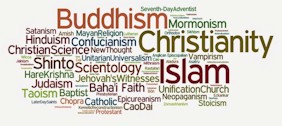
We are all people of faith, especially in regard to spiritual things. We have faith in God, or faith (belief) there is no God. We have faith (trust) in science, in doctors, in common every day life things. We flip a light switch and have faith the light will come on. Whether we are Christian, Atheist, Muslim, Buddhist or whatever label we place ourselves under, we all live by some type of faith. That does not mean we are all followers of Christ, but we are all people of faith. We do not have to be afraid to associate with people who do not have a faith in God. We just may be the only view of God they get to see, and love and acceptance should be what they feel through the power of the Spirit within us.
None of us can prove beyond a doubt that our way is right. People have faith there is a God, or there is not a God, faith in the after-life and heaven, or faith in reincarnation, faith there is no hell, or faith that there is just an end to our existence. We cannot prove any of it either way you look at it, yet we all seem to fight and argue amongst ourselves trying to defend our viewpoint.
No matter what we believe, how much we love God, or how much we are convinced there is or is not a spiritual side to life, we cannot prove our point, it is all by faith.
As mentioned in the Bible, we walk by faith, not by sight. I am glad I have a faith in a God who I believe created me and loves me, a God who has provided freedom from my sinful nature, and a God who has come to live within me.
I also respect the rights of others to feel differently. I do not think it is my responsibility to expect anyone to believe the same as me, or to put their faith in the same things that I do. It is the Holy Spirit’s place to draw others to God. I believe it is the Spirit who teaches us and leads us into truth. My responsibility is to love and accept everyone as they are, and be ready for God to show love through me.
*******
Michael Donahoe was added as a writer for Done with Religion as his views fit perfectly with those that are shared on this site. He and his wife have been outside the walls of religion for fifteen years. He enjoys writing about his experiences and thoughts, and he wants to encourage others who are going through the religious deconstruction process. He also writes on Substack at https://personalmeanderings.substack.com/ and https://deconstructiontrail.substack.com/
Okay, I admit more than just Christians are dogmatic. It seems many people, regardless of beliefs, are unable to discuss their different opinions in an open-minded, civil manner. This seems to be the case regardless of the arena – whether it be religion or politics. I am not trying to be judgmental. When younger I fell into the same trap many Christians do because of their view of the Bible.
Assuming God inspired the Bible can be a problem
One often believes they are speaking for God based on their interpretation of Scriptures. It is assumed God approved everything written about God in the Bible. The problem is God isn’t always portrayed as loving. See here. Anyway, even if we could prove the writers of the Bible always understood God perfectly, the truth is biblical scholars who have a deep respect for Scriptures don’t agree what God believes according to the Bible about many moral values impacting billions of lives – gays, women, unbelievers. A possible uninspired Book doesn’t lead to such problems. A Creator surely loves the ways their creations ought to love one another. Perfect Godly and human love must be the same. A supposed inspired Book must not replace our discussion of common moral sense given to us by our Creator.
People demanding or preaching certainty is a problem
One pastor I deeply respecter once told me a good leader comes off certain (confident what the Bible says). Yet, they attended seminary where different interpretation of the same biblical passages were explored. The truth is we don’t always know exactly what truth is, according to the Bible, whether it regards the afterlife or other moral issues. Laypeople often find comfort psychologically in certainty rather than uncertainty. Certainty rather than unknowing causes less anxiety. Assume uncertainty if you have one rational friend who believes differently from you whether it’s about religion, science, or politics. It should be intuitive those who reject diverse opinions is unloving and controlling. Most don’t except such behaviors in their personal relationships. Having good intentions by believing you are right for the whole doesn’t matter if you could be wrong. Religious leaders seem hell-bent in telling people what they must believe about God according to their understanding and interpretation of the Bible. Scientists or Politicians who refuse debate of their policies are no different.
Assuming to know the greatest good is a problem
The best decisions are often those that accomplish the most good for the most people. Making decisions, assuming you know the greater good than others, is playing God (Superior) in the lives of others. Free speech is necessary to allow the battle of ideas when certainty doesn’t exist. A preacher can’t claim God condemns gays because the Bible says so. Many of us don’t believe the Bible says any such thing. See here. Most of us believe except true racists that all humans are created equal, not that one’s skin color determines superiority. Yes, the KKK is allowed to state their hate speech on public platforms. I like my chances of winning that argument in the free market of ideas. I want racists being exposed for their ideas. The only free speech that should be censored is that which encourages others to commit violence toward others. You must peacefully protest. You can’t say “any Jew you see should be killed.”
Attitudes to avoid dogmatism
If only religious leaders didn’t always claim their biblical interpretation is correct and at least acknowledge literature requires interpretation despite supposed divine intervention. Stop calling one another a heretic or conspiracist that have a different opinion.
If we listened to everyone’s opinion civilly and sought to discern together what was the most loving action according to the circumstances. Morality is rooted in human natures, rather than just a product of religion influences. Biblical interpretations that go against our moral intuitions may be wrong.
If we only closely guarded one’s freedom to choose when the possibility exist you could be wrong, rather than calling others heretics or conspiracists
*******
Mike Edwards was added as a writer and has been a great addition to the site. Mike provides many interesting views and various ways of looking at things. He is not afraid to ask questions and he keeps an open mind as to teachings of the institutional church. Mike also has his own site where he writes at What God May Really Be Like
When we talk about those in authority in the Christian world, we most often are talking about church leadership: pastor, bishop, deacons, worship leader, youth pastor. Many people seem to look up to those who are given authority and leadership positions in the church.
We tend to think that those who are in authority and leadership positions are more knowledgeable about spiritual matters, and able to lead others to God better than the normal everyday Christian.
The truth is we are all brothers and sisters in Christ and we are all capable to be leaders in the sense we can encourage and help build up those with whom we have contact along the way. Each of us are kings and priests in God’s kingdom and no one is more important or on a higher level than anyone else.
Christian leadership is actually brothers and sisters in Christ who have lived and experienced more in spiritual matters. They lend a helping hand to those who are still maturing in their walk with God. There is no position of authority in this type of leadership. It is done out of love and compassion for one another and the desire to be used by God to encourage others in their walk with God.
What I see so often with people who take authority over one another is that it places an intermediary between God and man. Fortunately, not all people in leadership positions think this way and they are truly serving out of love for God and for helping their fellow believer. Yet, so often we hear of people in authority that demand our allegiance. They insist we listen to them and follow what they teach or else. This is a great misuse of authority in the Christian world today.
I do not believe there are offices of authority and leadership in the sense we hear about it today. Those who have been given positions of leadership in the body of Christ are not on a higher standing than anyone else. They are to lead by example out of love for those who are still learning. They are to be encouragers, helping build up their fellow believers into maturity.
Ephesians 4:11,12 So Christ himself gave the apostles, the prophets, the evangelists, the pastors and teachers to equip his people for works of service so that the body of Christ may be built up.
The true meaning of leadership by God’s standards is servanthood. Thinking more of others than you do yourself. So often it seems like just the opposite with men and women thinking they are the ones with authority and knowledge.
Matthew 20:25,26 but Jesus called them to Himself and said, you know that the rulers of the Gentiles lord it over them, and their great men exercise authority over them. Not so with you. Instead, whoever wants to become great among you must be your servant.
What I believe is the final authority among Christians is the Holy Spirit who lives within us. The Bible can be used by the Spirit as a guide and help, but the Bible is only a tool. It is profitable for teaching, for reproof, for correction, for training in righteousness. Apart from the Spirit there is no final authority in any person, book or organization.
Although we can learn from the Bible and we can learn from one another and their experiences, it is the Spirit of Jesus from within us who is the final authority and the head of the body known as the Church. The Church is not a building, not a denomination or an organization, it is each of us who are equally functioning and necessary parts of the body of Christ.
*******
Michael Donahoe was added as a writer for Done with Religion as his views fit perfectly with those that are shared on this site. He and his wife have been outside the walls of religion for fifteen years. He enjoys writing about his experiences and thoughts, and he wants to encourage others who are going through the religious deconstruction process. He also writes on Substack at https://personalmeanderings.substack.com/ and https://deconstructiontrail.substack.com/
On April 15, 2025 my tennis partner, who is a Doctor, sensed I was off. (More than usual). I typically walk home after the match, but he insisted in driving me home and that I see my regular Doctor. I am so thankful for his urging. I saw my Doctor a day or two later and an MRI was scheduled. Within hours I got a call that I had a tumor in my brain. I had very few symptoms before except minor headaches that I thought nothing of. I was ready to play a third set of tennis that day but my buddies said no. Guess I was acting off/weird. Within days of the MRI, I was scheduled for brain surgery to remove the tumor (April 21). I spent those few days preparing my family, not knowing if I would make it out of the surgery alive or have motor skills severely damaged. Things went very well in terms of the tumor being removed (cancer still remains), The tumor was a severe cancer type. So, I began chemo/radiation treatment shortly after for 6 weeks. I’m in my last week of 6 weeks of treatment.
No, God didn’t CAUSE my tumor!
I hope no one thinks God caused this tumor to teach me a lesson for my sins. I ain’t no saint but I’m kinder than most folks. I have friends who will verify. I know some selfish/evil people that are cancer free. I refuse to believe a loving God using tragedies to punish or teach one a lesson and we remain clueless reasons for such actions. Besides, that assumes God is simply pulling strings to control events in the world. Did God cause this for a greater good. I doubt it. God can’t control how I will react to a tragedy in my life. I could be pissed at God and no good comes of it. Some claim all evil eventually leads to good as if some grand plan by God. Not my God! Ask sexual abuse victims or family members of murdered loved ones if good always comes out of evil.
Or it is claimed we sinners have no right to question a Holy God. I have a God I can doubt, question, get angry with, whatever. That is what a loving parent/God is like. How do I know this? I have been a child of a parent and a parent of children. Why would a Creator create us to have intuitions of what true love is (allowing a child to question) but not be loving themself?
See Does God Really Punish Or We Just Reap What We Sow? Assuming God is in control of punishment makes a mockery of freedom. It is an oxymoron to claim God is in complete control and we humans have freedom. If God does actively punish and carry out wrath, God is letting a whole lot of evil in the world slide. God doesn’t love more those spared than those supposedly punished.
Does God Really Allow Cancer?
It is claimed a mystery how God can allow evil but not be evil. Humans don’t get a free pass if they can stop evil but don’t. Ask sexual abuse victims when their parent knew and did nothing. One might ask why God allows such harm if supposedly all-powerful. Thinking God is all-powerful (thus all-controlling) assumes God can pull strings to make certain things happen (allow). So much for genuine freedom? See God Can’t Stop Your Suffering And Evil!
Thankfully, I don’t entertain such a view of God which has helped having a positive view during all this, though I have many miles to travel in my journey. My silent friend (God), along with family and friends have been a life-saver. You have a lot of internal conversations when waiting for brain surgery or going through cancer. When one believes “God allows” your mind can wander. Why me and not others (is God’s love arbitrary – if God can supposedly control everything), what lesson is God trying to teach me. I never had to go there. I am convinced God isn’t all-powerful.
If we maintain that God limits their Power, this suggests God can do something but doesn’t. We must come up with a better explanation that God simply allows – thus controls – evils but isn’t responsible for such evils. A God who can prevent evil but doesn’t is counter-intuitive to love. No loving parent or God sits idly by when they could prevent tragedies such as rape or murder. Are we to believe God doesn’t care, God is punishing us, or God has abandoned us and left us clueless about the grand plan? God doesn’t just allow your suffering!
God may not be all powerful
It is only natural to believe a Supreme Being, if they exist, is all powerful. Most Christians believe this because of their understanding of the Bible taught in churches they attend but questions arise if God is all-powerful. If God can control everything, why doesn’t God intervene more in medical emergencies, rape, physical abuse, etc. A miracle supposedly saved Trump but not the gentlemen in the front row. I doubt it. God doesn’t pick and choose when to cause or allow suffering.
God can’t be all-powerful if all-loving. Perfect love isn’t controlling. Ask any adult child with a controlling parent. Thomas Oord in his new book defends ably that the Bible doesn’t necessarily claim God is all-powerful and can do anything. See here. God can’t tempt others (Jas. 1:13). It makes no sense to say God can exert all power and creatures can exert some power. I have never understood why God doesn’t stop evil if God can do anything. If “everything happens for a reason” because of God, this would make God responsible for all goodness and all evil. It is claimed a mystery how God can cause or allow evil but not be evil. This isn’t true for humans. Some claim all evil eventually leads to good as if some grand plan by God. Hardly!
What about prayer and miracles?
Many prayers asking for healing are obviously not answered. Are miracles arbitrary – God picking and choosing to bless some and not others? Conditions in our body may not always be right. Various biological and environmental factors are involved such as cells, organs, etc. If God wouldn’t take away your human freedom, it may not be a stretch to say God has to account for natural freedom as well. Miracles can happen when God’s uncontrolling love aligns with countless factors known and not known. God surely intervenes when circumstances will allow. Pray if you like, but God is already working to do all God can to prevent suffering. That’s what perfect Love does! See Why God Doesn’t Answer My Prayers?
I am convinced God is always seeking to intervene when possible. Pray for miracles, but don’t assume God can answer our prayers but doesn’t for some unknown reason. God suffers with us, but the unfortunate truth in a free world is suffering happens, though God is dying to help. We can pray but be more understanding when God can’t answer our prayers. Pray to God for emotional support and encouragement in difficult times. My silent Friend has gotten me through some difficult times when my brain begins to wander.
Did God really choose the Holocast by not responding, including senseless suffering to children in the world?
Do you read the Bible Edwards?
I believe we should assume the Bible isn’t inspired by God. We can’t prove the Bible is or isn’t inspired by God. Besides, the Bible is literature that requires interpretation and we don’t all agree on the correct interpretation even concerning moral issues such as if God condemns gays or not. Many assume inspiration means God approved or controlled all recorded by the writers, especially characterizations of God. Many don’t think of inspiration as meaning that God encouraged or motivated writers/editors to record their understanding of God, thus possible being right or wrong.
See here all my rants on the Bible and why we need to rethink our understanding of the Bible.
So, what good is God?
The only God worth believing in or having a relationship with must be a perfect Lover. God can’t be all-powerful or controlling and be true to God’s nature. Thomas Jay Oord in his books says that so many positive elements can come from affirming a universal, divine Lover. Such a Spirit empowers, inspires, and accompanies us in our relationships with others. God knows and empathizes with us in our suffering. This is what I have experienced. God obviously grieves due to all the evil in the world. God suffered when Jesus was crucified. God suggested through Jesus’ example and words what kind of life lived here on earth can make for a much grander world. My relationship with God, though a silent friend, has carried me so far.
My future
I thought initially that surgery and removing the tumor out of my brain was my greatest danger, when discovered I had a tumor. Thus, why I tried to prepare the family and get financial house in order, as I thought I might not be back. Turns out most don’t die on the surgery table. Motor and physical skills can be damaged, which I didn’t realize as much, but I had a great surgeon. I was only in hospital two days after brain surgery, had brain fog for a week (you had to have 5 PHDs to understand my texts), but I felt pretty good after a week. It does help to be retired. I began radiation and chemo therapy for 6 weeks. So far, no nausea, I can handle the tiredness because I was very active before tumor. I get tired – I get moving. Sitting makes me more tired. My stamina affected but I can change some of my habits to hopefully see my grandchildren become teenagers. I am a cool POPS. I didn’t have a relationship with my grandparents, so I want to get it right as I did as a parent when I had children.
I am walking on the average 2-3 miles a day. Playing tennis two days a week. But, 5 weeks of great fortune with treatment doesn’t guarantee the next week of treatment and thereafter. And it takes some weeks after treatment to recover from tiredness, etc. So the journey ain’t over! I will have an MRI August 6th, a month after treatment to see how much treatment was successful with the cancer. Even if very successful I may be prone to seizers and other medical matters down the road. I could live a year but some with my type of cancer live 10 years or more. We will see. Thank God for God, family, and my friends. Peace!
Mike Edwards was added as a writer and has been a great addition to the site. Mike provides many interesting views and various ways of looking at things. He is not afraid to ask questions and he keeps an open mind as to teachings of the institutional church. Mike also has his own site where he writes at What God May Really Be Like
Do you notice the fact that no matter what you believe, or what your interpretation is someone always has a completely opposite view. You get excited about hearing some truth that really connects, and the next thing you read an article by another Christian that completely disagrees with what you just heard.
Even more than that, most of us Christians get mad when someone disagrees with us and is different. We get on Facebook and make ourselves look crazy because we talk about brotherly love, then we fight and argue with someone because they interpret things differently, and mostly about things we cannot prove one way or the other.
Overall, this is really not that unusual because we are all different. We have different backgrounds, different viewpoints and opinions, and different ideas on how to live. We really have to stop and think that whatever it is we believe, whatever our interpretation, everyone is not going to agree with us. There is no reason for us to get mad at someone else for being different.
This life is all a matter of faith. No matter what it is spiritually speaking, no one can really prove what is right and what is not. Just because someone has a different interpretation does not mean they are right or wrong.
We need to keep our ears open to the leading of the Spirit, and follow on our own path looking to Jesus. That does not mean any and every path is the right one, but we cannot be the judge of who is right and who is wrong. Jeremy Myers, in his book ‘Dying to Religion and Empire’ states, “The beautiful thing about following Jesus is that while He leads us all in the same direction, there are millions of different paths He can take to get us there. His goal, of course, is to advance the Kingdom of God on earth through the people of God who are being conformed into the image of God”. Our goal is to follow Christ as he leads us individually, and then be ready to love all people, no matter if they are on the same path or not.
Let’s stop arguing, fighting, and demanding that everyone agree with us, and love and accept those we meet along the journey. I think God is big enough to lead us all to the truth in proper timing.
*******
Michael Donahoe was added as a writer for Done with Religion as his views fit perfectly with those that are shared on this site. He and his wife have been outside the walls of religion for fifteen years. He enjoys writing about his experiences and thoughts, and he wants to encourage others who are going through the religious deconstruction process. He also writes on Substack at https://personalmeanderings.substack.com/
I would suggest you are better off doubting what you have been told and verify it for yourself. It isn’t easy in the land of uncertainty but it can save you from regretful decisions in the arenas of religion, science, and politics. Being a skeptic isn’t being disrespectful. Children will often claim “I didn’t do it.” You still love them but still seek to confirm they are telling the truth. A marriage may be different as such a relationship has built up trust, but we certainly can question our partner’s opinions as we all need to think for ourselves.
Spiritual Authorities
Too much trust is given to pastors and other religious leaders without questioning their opinions. Run from leaders who are afraid or unwilling to defend or discuss their opinions. Many will proclaim “the Bible says” without acknowledging many don’t agree with their interpretation. Scholars do not agree on many moral issues. I was told often that the Bible teaches there is a literal hell where unbelievers in the afterlife are tortured with fire forever after a few short years living here on planet earth. 12 Reasons To Believe Hell Is A Myth! This impacted my view of God and caused regrets in my relationships. I felt obligated to evangelize them out of hell. I wish I had challenged many views of God that went against my moral intuitions. Moral of story – don’t believe everything you hear claimed about God! See here.
Science experts
Many readers have begun to question their spiritual leadership. Lessons learned – we should question authorities in all areas of our life in case they are wrong. Because of my early religious experiences and contrarian personality – I knew to question experts who said to trust them without debate. It has been declared in the past that the Covid vaccines prevented infection and transmission of the disease. That was the purpose of mandates. Scientists and doctors who declared otherwise were censored, but it turns out they weren’t the mis-informers.
Those who claimed masks didn’t prevent the spread of a virus were called mis-informers. Turns out a review that dug into findings of 78 randomized controlled trials discovered wearing masks made little or no difference in stopping the virus. See here. Lots of my friends who wore masks got Covid. For those curious, it is claimed by many masks can even be harmful to the virus getting inside the mask and staying on the masks thus breathing it in. “Undebated/censored science” isn’t science. We must make decisions for ourselves in case so-called experts are wrong.
Politicians
We often don’t change our mind because we make decisions based on our feelings than cognitions. Should we make buying decisions based on if we want it as opposed to whether we can afford it? Should we date or marry someone based only on feelings or based on their actions? In our recent election, many voted based on their feelings about a particular candidate. Without specific evidence one is Hitler incarnated or a Communist. I am convinced a wiser choice is to vote based on policies/cognitions that I believe best for the future of my children, grandchildren, and country. Climate alarmists have warned of the world coming to an end in the past. We still live on. Ignore those unwilling to debate. Question every idea and decide for yourself after looking at both views.
Certainty or uncertainty?
One may believe what seems to be the popular narrative, without exploration, to avoid anxiety not knowing. Disagreeing with the popular science narrative or church leadership about God’s character can lead to isolation. The truth is certainty is an illusion unless talking about universal moral sins such as rape or incest. Adultery isn’t only wrong in the eyes of the betrayer. Assume uncertainty if you have one rational friend who believes differently from you whether it’s about religion, science, or politics. It should be intuitive those who reject diverse opinions is unloving and controlling. Most don’t except such behaviors in their personal relationships.
Having good intentions by believing you are right for the whole doesn’t matter if you could be wrong. Religious leaders seem hell-bent in telling people what they must believe about God according to their understanding and interpretation of the Bible. Scientists or Politicians who refuse debate of their policies are no different. Leaders play God (Superior) in the lives of others by claiming to know the truth and we can’t decide for ourselves.
I have a hunch God especially loves skeptics!
Most agree an unloving or tyrannical God isn’t worth believe in. It is only intuitive, if a Creator exist, that a Creator loves the ways their creations ought to love one another. A parent obviously loves a child who finds it easier than their others children to accept them and their ways. But we don’t unlove our skeptical children. A greater pain may be when our children ignore us. Spiritual or human parents don’t desire forced love, which isn’t genuine, but hope for consideration and to prove the possibility of a better relationship. Be a free thinker and resist those who resist!
Mike Edwards was added as a writer and has been a great addition to the site. Mike provides many interesting views and various ways of looking at things. He is not afraid to ask questions and he keeps an open mind as to teachings of the institutional church. Mike also has his own site where he writes at What God May Really Be Like
Helping Survivors is on a mission to help heal, educate, and empower people who have been impacted by sexual abuse, assault, or harassment. We are a passionate group of experts and advocates who believe individuals who have experienced sexual assault, abuse, or harassment deserve to know their rights and options.
If you are in crisis and need support
call the Trevor Lifeline
at 1-866-488-7386
Undue Medical Debt
Undue Medical Debt empowers donors to forgive billions in oppressive medical debt. We are dedicated to removing the burden of medical debt for individuals, families and veterans across America. Click HERE to donate now.
Doctors Without Borders help people worldwide where the need is greatest, delivering emergency medical aid to people affected by conflict, epidemics, disasters or exclusion from health care. Help support us by making a donation here:
Wishes are more than just a nice thing, they can be a game-changer for a child with a life-threatening medical condition. We grant the wishes of children with life-threatening medical conditions to enrich the human experience with hope, strength and joy. To make a donation click here:








 Done with Religion
