Believing God exists or doesn’t exist requires faith, but it seems intuitive a loving Creator would love the way we were created to love. We can examine what a loving God is like though our moral intuitions, our consciences. Christians may argue we should trust “biblical truths” about God, but differing interpretations exist for many moral issues. See here. Also, we can’t prove if biblical writers always understood God perfectly. We aren’t always certain how to best love, but we know that we or a Creator ought to love others as we want to be loved.
What does the Bible really say about God and gays?
Leviticus (18:22, 20:13) list unnatural male same sex activities as an abomination. Unnatural in OT times could be sex not for procreation. We can’t be sure what activity the writers had in mind. Are lesbians safe because nothing is said about same sex women activities? The OT also lists as abominations lying lips, arrogance, etc. Are straights screwed? The word “homosexual” doesn’t appear in some English translations before 1946. In passages such as I Cor.6:9-10 and I Tim. 1:10 the translation often wasn’t homosexuals” but “boy molesters.” Big difference! And the passage says wrongdoers don’t inherit the kingdom of God. I guess we are all screwed!
Many growing up in church only condemn gays out of devotion to the God of the Bible. Let’s assume it could be proven God controlled pens and minds of the writers so every word in the Bible came from God. The truth is literature requires interpretation, even if ever word written, edited, or translated was inspired by God. We mustn’t claim our interpretations are infallible when being wrong has tremendous consequences. Scholars, who accept Scriptures as authoritative, don’t agree the Bible condemns same-gender loving relationships. See here.
Why would anyone choose to be gay?
How could a loving God possibly condemn gays when they can no more choose who they are attracted to than straights can? If you are a straight man, don’t you naturally have to fight not looking at naked women than men? Ask gays their battle! Who chooses to be gay when one has to hide their sexuality because of bigotry and hostility? The mental health damage is tremendous!
Parents often only condemn their gay children because of a supposed correct interpretation of a Book. It is impossible to feel loved and accepted when someone says “I love you but I hate your sin.” But we tell alcoholics we hate their sin! Hating homosexual sex is only loving if homosexual sex is sinful. Hating alcoholic behavior is loving because alcohol abuse really is harmful. A parent need not reject a gay child according to the Bible.
What do our moral intuitions, consciences tell us about God and gays?
My moral intuitions tell me that God is not bias against females, people of color, or gays. Shouldn’t we choose the least harmful view? We don’t know why one has feelings for the same sex or opposite sex. If you think there is a .0001% possibility that science proves sexual orientation isn’t a choice, why would we judge? It’s a myth that sexual choices are always the result of some trauma or rebellion in our lives. I am convinced the Bible is silent on monogamous same sex relationships, while supporting relationships that show love and concern for one another.
Mike Edwards has been writing for Done with Religion for some time and has been a great addition to the site. Mike also has his own site where he writes that can be found at What God May Really Be Like He can be contacted by email at: medwar2@gmail.com
Believing God exists or doesn’t exist requires faith, but it seems intuitive a loving Creator would love the way we were created to love. We can examine what a loving God is like though our moral intuitions, our consciences. Christians may argue we should trust “biblical truths” about God, but differing interpretations exist for many moral issues. See here. Also, we can’t prove if biblical writers always understood God perfectly. We aren’t always certain how to best love, but we know that we or a Creator ought to love others as we want to be loved.
The Bible says nothing about Hell as a consequence for decisions here on earth
God only warned Adam and Eve about death, not Hell, if eating from the tree of knowledge of good and evil. Noah, who was warned of a global destructive flood, was silent on Hell as a consequence for behaviors here on earth. So were the OT prophets. The Hebrew word Sheol in the Old Testament, translated into the English word Hell, was used to describe a place of darkness occupied by the dead regardless of beliefs, not a torture chamber for unbelievers. Job, an extremely righteous man in God’s eyes, desired to go there to escape his tremendous suffering (10:21-22). Recent Bible translations simply translate Sheol as “Sheol.”
The Greek word Gehenna is translated into the English world Hell. Gehenna is the name of a valley outside Jerusalem. In ancient times children were sacrificed in fire at Gehenna and the valley was known as a burial ground. Jesus refers to Gehenna to describe the suffering and devastation that come from doing evil. Many scholars consider Gehenna a metaphor to describe the destruction an evil life leads to, not a fiery place where sinners go for never-ending punishment. Gehenna is best translated Gehenna just as Mount Everest is best translated Mount Everest.
The main writer of NT makes no mention of Hell
The main writer of the NT, other than the Gospels, was the Apostle Paul. Paul never mentioned Hell. Hell is not mentioned in Acts which is the main book in Bible describing the beginning of the Christian movement and evangelism.
But the Book of Revelation speaks of a Lake of Fire!
Fire in the Bible is used more metaphorically than a literal fire where people are tortured forever after death. The Book of Revelation is the only place Lake of Fire is mentioned, but if dragons with seven heads are considered figuratively why wouldn’t the Lake of Fire be a metaphor? Revelation only suggests believers and unbelievers will face some kind of judgment after death.
Hell makes no moral sense to God or humans
A loving God couldn’t possibly torture anyone forever since such pain serves no lasting purpose. Humans wouldn’t even create such a place for their worst enemies. Hitler was condemned for torturing millions of Jews for a brief time; God is said to torture billions not briefly but forever. A moral God can’t be a hellish, sadistic, torturer!
Besides, humans much less God are fully aware beliefs are influenced by opportunities, role models, or misinformation. It is suspect an impartial, moral God determines our destiny based on beliefs while living a brief time on earth. If we humans really believed Hell made moral sense, we would never cease from warning our friends to repent to escape Hell. The only reason to think a loving God would create such as a place as Hell would be if we believed a Book taught such a horrific thing.
What is God saving us from if not Hell?
When Jesus was asked by a religious expert how to have eternal life, He simply said to love God and your neighbor (Lk.10:25-37). Jesus’ focus wasn’t on quantity of life after death but about a life worth living here on earth. Jeremy Myers says it best: “When Scripture teaches about being saved from sin, it is not referring to escaping hell and going to heaven when we die, but to the deliverance from the devastating and destructive consequences of sin in this life.”
The word “heaven” appears the most in the Gospel of Matthew. The Kingdom of Heaven isn’t a place to go after life on earth. Jesus sought to bring heavenly love to earth – “on earth as in heaven.” Jesus said nothing about dropping to your knees to avoid Hell to go to Heaven after death. Paul mentions Heaven twice in Romans, yet says nothing about Jesus dying so we can go to Heaven (Rm. 1:18, 10:6).
What about justice?
Punishment doesn’t bring back a victim’s robbed memories of the future due to the murder of a loved one. Real justice is understanding your victim’s pain and accepting the harmfulness of your actions. After death God may bring to memory every action of betrayal and how it felt to their victims. The cleansing and educative effect may take longer for some than others. Humans like God may forgive their enemies if they truly regret their actions and seek forgiveness. Justice from a fair, merciful God is possible despite people being given a second chance after death.
Don’t people need the fear of God to change?
Fear only leads to trying to avoid getting caught. God’s continual encouragement and mercy, not the fear of Hell or gloomy uncertainty of God’s favor, is our necessary nourishment for lasting changes of the heart. Fear doesn’t produce relationships worth having. One may argue if certain beliefs aren’t required for Heaven, people will do whatever the hell they want on earth. How real is faith if only to avoid Hell? Genuine changes result when knowing you are deeply loved by a parent or God empowering you to reflect such love to others.
Mike Edwards has been writing for Done with Religion for some time and has been a great addition to the site. Mike also has his own site where he writes that can be found at What God May Really Be Like He can be contacted by email at: medwar2@gmail.com
This is the final part of my church history. Remember, I have been part of the traditional church organization for 40 some years at this point. Although it is the final part of my institutional church history, it is not the end of my story of being part of the Church and following Jesus.
After our last pastor moved out of state and that church faded into history, we found a church that had interested us and excited us for a year or two. A friend of mine had told me about it and it sounded great to us. It was a non-denominational church and since our last church was gone we decided to give it a try.
This church was a little larger than what we were used to but was not a mega-church. The people were very friendly and there were so many activities in which to participate. We really liked that they gave food to the homeless and the poor in the area, they handed out water at parades and did several community related activities. After some time we noticed that very few people tried to get to know us or spend time talking with us because they were so busy staying in groups with people they already knew. My wife actually called two different home group leaders and tried to find out information on joining the group but was met with resistance from leaders who did not seem to want ‘new’ people in their group.
More Dissatisfaction
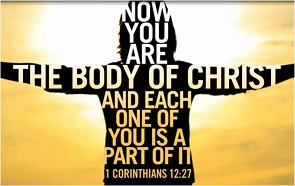
It was at this time I was feeling a real dissatisfaction with the church system. I felt there must be something more, this did not seem to be what Jesus meant when he said he would build his church. There was so much division and separation, no one was allowed to talk or discuss anything and only a select few had control of the service yet what I saw in the bible said we should all have a word, or a song, or a prayer. I read that Jesus was the head and each of us are equally important parts of his body. And what about the verse telling us we are the temple of the Holy Spirit and he dwells within us. I kept thinking about this and wondering why so many said the building was the church and they kept saying come to our church because the Spirit is going to fall and God is going to show up at this particular meeting. Yet the bible said the Spirit fell a couple thousand years ago upon the Church which was the people not a building. The Kingdom of God is within us and God is always with us, he is not going to show up at a special service when He is already within us.
It took us ten years at this particular church of going through the motions of getting up on Sunday morning, going to a service where we sat quietly looking at the back of someone’s head, going through the typical three songs, prayer, offering and listening to one person tell us their view of God, then getting up and walking out the door not seeing or hearing from anyone until the next Sunday. After several years of questioning and much dissatisfaction with the way the organized church seemed to be, we made the decision to leave the system and look to God for guidance. We began seeking the Holy Spirit to teach us because the bible says with the Spirit we do not need anyone else to teach us.
Forsake not the assembling
Of course we were told by several people that we should not forsake the assembling of ourselves with other christians, yet I could not find in the bible where that meant we had to do so in a building on a specific day at a set time. I feel believers need one another for support, fellowship and encouragement, but I believe this is done on a daily basis outside the walls of a church building. How much real support, fellowship and encouragement do we get sitting in a scheduled service once a week looking at the back of the heads of the people in front of you and listening to a select few talk? My wife and I started asking God to lead us to people who we could encourage and who would encourage us. It was not long until we started having chance encounters with people, most of who were going through or had gone through the same thoughts and feelings we were having.
We have found we have been more open to meet and accept people who were outside our style of worship, belief or lifestyle. We read in the bible where Jesus loved people and he did not separate himself by denominations or beliefs. Jesus was God in human form and God is love. We certainly did not always see a lot of love within the system because many seemed to think they were better than others or they had to stay away from certain people. So many felt they needed to point out the sins and mistakes of others or they were denying God.
We feel the Holy Spirit will convict the world of sin and it is not our job do point out where others may be wrong, if they are wrong at all. The Spirit will do the job of pointing out what needs to be changed and dealt with, we as followers of Christ are only called to love.
Out of the system
Since being out of the system for about two years now, neither of us have any reason to return. We have put our dependence on God and the Spirit for guidance and we are finding more and more believers to have fellowship with outside the walls of the traditional church. We would certainly not tell anyone not to go to church if that is what they want to do. For myself I had many years within the system that were good and meaningful. I learned many things and had many good experiences in the system. My wife and I were not abused or hurt by the church but we felt a real unrest with the system and after being out of it we have found more meaningful fellowship and a closer walk with God than we ever did in the past.
Will we ever return to the church system? I do not know. Right now I would say no because we have found a freedom and a dependence upon God that we never knew within the system. Yet we want to follow God and do what he leads us to, so if that would be where he wanted us sometime in the future then we would return.
I personally feel the system is wrong, not the people. There are many people within the organization that truly love God and are seeking to do what pleases him. There are many pastors and church workers who feel they are doing what they were called to do and I will not fault them for that. I think the organization is the problem. The organization is dependent on human leadership and human interpretation which causes division. I do not believe the church system is what Jesus was talking about when he said he would build his church. The Church is the people, not a building, not an organization.
If you are satisfied within the church system then stay where you are until you feel God leading you to something else. If you feel the same unrest in your soul that we did for many years and are thinking of leaving the organization then do so without any guilt. The Kingdom of God is within us. We are the temple of the Holy Spirit. We can have fellowship any day, any place, any time when God brings us together for a meal or a time of talking or praying with another person or two. We want to live each day of our lives in fellowship with the Spirit, listening for his guidance and showing the love of God to any he brings along our path.
So this brings us to the end of my church history as I knew it growing up. Yet it is not the end of my Church history because I am, along with every believer, part of the Church. It is not a building, it is not a system, not a man-run organization but it is each and every one of us equally functioning as parts of the body and following Jesus who is head of his Church.
Jim Gordon and his wife left the institutional church after spending over fifty years within the system. Jim wanted a way to express his thoughts and concerns about the religious system and why he and his wife decided to leave the institution but not their faith in God. Jim can be contacted by email at: jimgordon731@gmail.com
The word ‘fellowship’ is just another one of those Christian buzzwords that you almost never heard outside of the church. We hear the word fellowship often and we all have our ideas about what it actually means to fellowship with others.
For me, growing up in the church world taught me about the need for fellowship with other believers. Of course, this fellowship was reserved for the weekly gathering inside a building on Sunday. I remember thinking that real Christian fellowship was sitting there each week, listening and watching others perform for God, then shaking hands with someone while on the way out the door.
For many years while within the institutional church, I never thought about fellowship in any other way than what I had been taught. Fellowship was with people who believed just like me. I always felt it may be dangerous to associate with people who believed differently or did not believe at all. After all, they may cause me to fall or backslide in my faith.
Now That We’ve Left The Church, Where Do We Go?
After many years of an uneasy feeling and not being satisfied with our church life, my wife and I decided to leave the organization and live outside the walls of religion. After leaving the church, my wife and I wondered where would we go for friends and ‘fellowship’
I found an answer in an article my friend, Rocky Glenn wrote entitled ‘Fellowship and Community’ in which he talked about fellowship within the church and leaving that church fellowship. He says:
“Two of the most common questions asked when others learn you have made the conscious decision to live the Christian life outside the walls and confines of a traditional church building are “Who do you fellowship with?” or “Where do you find community?”
These questions show how conditioned we have become in the institutional church to speaking our own language and seeing the world through the lenses of our stained-glass windows. The two terms — fellowship and community — are rarely heard outside the context of church. For example, have you ever invited a coworker to dinner or for a drink by asking them if they wanted to fellowship? When you are sitting in the stands at the high school football game, do you often lean over to the guy sitting next to you and explain how happy you are the two of you can experience community together? While each of these examples, by definition, constitutes the term used, we do not speak in such a manner on a normal basis and to do so would actually be quite silly. To fellowship with another is to have a friendly association over shared interests.
Rocky’s statement shows that fellowship can and does happen outside the church walls. It can happen in a restaurant, a bar, a football game, or on a street corner.
Photo by Kevin Curtis on Unsplash
Once my wife and I began to realize that fellowship happens anywhere, it did not take long for God to bring people across our paths in places and at times we never expected.
We were sitting in a local café one morning relaxing and drinking our morning coffee when we noticed two men at the next table. One was a young long-haired hippy-looking guy talking with an older gentleman. We could not help but hear their conversation at times and we kept noticing that they were talking about God and life in Christ.
After some time of listening, we decided to politely ask about their conversation and found that the younger guy was in a Christian heavy metal band. He had left the traditional church a few years ago and was living outside the walls of religion like us. This was an encouragement to us because it showed us that God can provide people for fellowship at any time and in any place. We just need to be alert and ready.
What Is Fellowship?
Fellowship, according to Merriam-Webster is a company of equals or friends; the quality or state of being in a comradery. Over the years of sitting in a church service, I never saw fellowship take place that matched up to this definition.
For the usually meaningless talk that goes on at a Sunday morning church service, there is no way that meaningful fellowship will happen.
Fellowship is more than listening, more than having similar beliefs or doctrinal views. It is getting to know people for who they are, even if it means they see things differently. It is being yourself and having people accept you for you. It is caring and responding in meaningful, respectful ways.
1 Thessalonians 5:11 states, ‘Therefore, encourage one another and build one another up, just as you also are doing’. As this verse tells us, fellowship is to encourage each other and build one another up. It is not totally agreeing or seeing things the same way. We are to be a positive help to our fellow human beings.
In our world today, people seem to want to stay separated into like-minded groups. We see it in all the various denominations in church, we see it in all the various interest groups and social groups. Everyone wants to fellowship only with people who are like them.
Finding Fellowship In The Wrong Places
Looking back on it now, I can see that I had more fellowship with my non-Christian friends in the backyard or at school than I did sitting in a religious service each week. I passed up many opportunities in the past to meet with people and in places that had nothing to do with church or any religious activity. Due to my religious upbringing and understanding that fellowship took place in church, I felt a little guilty about enjoying fellowship with others outside of church and with people who were not always so like-minded.
Fortunately, I have found that fellowship can happen anywhere and anytime. It does not have to be within the confines of an organized service in a church. In fact, it normally does not happen there. God brings opportunities each day to talk to people and share love and acceptance. What we need to do is erase the concept that fellowship only happens in a church service. We need to be alert to the leading of the Spirit and ready to greet people with the love of God.
Photo by Priscilla Du Preez on Unsplash
It seems that people just want to be heard and accepted. Even those who are quiet or a little introverted will open up and talk when they find someone who is genuine, caring, and truly listens. Often, one person listening can bring about the most meaningful times of fellowship.
A Religious Man, A Morman and A Truck Driver
(and no, they did not walk into a bar)
Just the other day, my wife and I heard about a young man who was returning to his military base after leave. Unfortunately, he was involved in a serious car accident and died due to his injuries. Our local town was honoring this young soldier by having residents line the streets as his hearse and small motorcade passed by.
While we were standing on the street corner waiting, we met a few people we never thought about running into. First, there was a man who was obviously religious. It was interesting talking to him knowing we had some commonalities in our faith. Yet at times it was obvious he had some beliefs that were very traditional and strictly religious. The good thing was we were outside the walls of a church and were able to talk and express ourselves without getting into a big debate over doctrine or denominational beliefs.
While we were talking with this gentleman, two young men came walking up and stopped to talk a minute. They were both dressed in white shirts with ties and the same style of pants. It was very obvious they were Mormon missionaries. It would have been easy to ignore them or tell them we were not interested and get them to move on.
Fortunately, we did not do that. We were nice and accepting to them and talked about a variety of topics. I think they were a little surprised that someone would actually carry on a conversation with them without debating or arguing over their beliefs. We actually had a very nice talk for about fifteen minutes and learned a little bit about each other apart from our differences in doctrine.
Not long after the missionaries moved on, an older gentleman walked up and asked what was going on with all the people lining the streets. We told him what was happening and he decided to wait and pay his respects also. He started talking a little about himself and told us he used to be a truck driver. Once he noticed that my wife and I were really listening and paying attention, he suddenly opened up about several personal issues and the pain of losing a child when he was younger. We ended up talking another twenty minutes about his family and his history and hopefully made his day a little brighter.
What Does Real Fellowship Look Like?
The purpose of talking about these encounters is to show that God can bring people into our lives for the purpose of fellowship when we least expect it. Who knew when we stood on the street corner to pay respects to a person we did not know, we would have personal encounters with three separate people and enjoy times of real fellowship with each of them?
Fellowship is no more than listening, responding with kindness, caring, and showing the love of God. We all can do it if we take the time to pay attention to the needs of others and show them we are interested in what they have to say.
Photo by Tim Mossholder on Unsplash
Fellowship really is not hard to do. Be yourself and allow other people to do the same. Be respectful, kind, and share the love of God in a way that makes people feel they matter.
The Last Word
Fellowship can happen anytime, anywhere, and more often than not, it does not happen within the confines of a religious service. Fellowship is not just a Christian happening; It is for all people.
There are so many people in our world who are hurting or confused and just need someone to listen to them. Be ready, be alert and follow the leading of the Spirit to show love and accept people for just being themselves. Something so simple can mean so much to someone who needs a little fellowship.
Jim Gordon and his wife left the institutional church after spending over fifty years within the system. Jim wanted a way to express his thoughts and concerns about the religious system and why he and his wife decided to leave the institution but not their faith in God. Jim can be contacted by email at: jimgordon731@gmail.com
As a young adult I continued on with the weekly attendance at the same local church, although the particular place would be changing over time.
At my ‘home’ church my parents were always active and well known. My dad was Sunday school superintendent and Lay leader. My mom helped in Junior church, Vacation bible school and worked in the office on Sunday.
Popularity in the church
As a young adult I have to say I enjoyed the popularity of being known by about everyone in the congregation. I even had my own key to the church building so I could go in anytime I wanted and pray or play the piano or just talk with a friend or two.
I think it was around this stage that things began to change for me. I began having questions about things I was reading in the bible but I knew that it was best to keep these questions to myself. I figured there were logical explanations that I would figure out as time went by, or it was a matter of not completely understanding the bible yet I knew they were not questions I should bring up openly or people would begin to question my faith.
A friend of mine invited me to his church for a special service. After the service he introduced me to his pastor and we talked a little bit. The pastor was very friendly and seemed interested in having me there. He kept talking about getting together with me to play checkers and talk a bit, but when I told him I had a home church he all of a sudden lost interest, thanked me for coming and took off to talk to someone else.
Becoming Dissatisfied
After twenty years or so in my home church I felt it was time to move on. I thought I had come to a point where I was not learning or growing and a new church would be the answer. Little did I know that this was just the beginning of a long drawn out process of eventually leaving the system.
As I began to venture out and look at other churches I first went to a church of the same denomination, thinking new people and a different pastor was what I needed. It did not take long to realize I was not satisfied anymore than I was at my previous church. So off I went looking to a different denomination to try out.
A friend of mine at work suggested visiting his church because it was friendly and exciting and had a pastor that preached the ‘full gospel’. I thought I would give it a try and after a couple visits thought I had found the most spiritual people in town. I also found a woman there who later became my wife. It was a non-denominational church and openly participated in the gifts of the Holy Spirit. I was on cloud nine for a while thinking I had found what I was looking for, a place where the Spirit was falling on the congregation and God would show up for each service.
It took ten years but as I got to know people on a more personal level I found out they were not as spiritual as I had first thought. It turned out that many of them only used different spiritual words and terms but were no different than any other christian I knew. The church service, although more lively and exciting was still pretty much the same format and way of doing things.
So what did I do? Yep, my wife and I headed off for another church. This time we landed at a different style church than I had never been in before….a mega-church. Wow, talk about exciting. They had a full band and the service was televised so there were lights, sound systems and performers in make-up. Again I thought I had found the most spiritual people I had ever known.
After about three years it all kind of lost its excitement. I again noticed the same underlying system was in place. It was a little different in the fact that the pastor, if seen anytime off stage was escorted by body guards. When I wanted to walk around the large church complex and take a look at things ushers stopped me and told me I was not allowed in that particular area. Now to someone who used to have a key to the church building this was a big blow. I just could not get used to the tight security and the TV professionalism the pastor and musicians carried out each week.
End of a marriage
About this time my marriage of thirteen years fell apart. Things just did not work out and we went our separate ways. It was a blow to me because I was always taught in church how much God hated divorce. I had seen many pastors and church workers in the past be told they could no longer participate in leadership roles at church due to being divorced. So I ended up dropping out of church due to guilt. I figured I would no longer be accepted there and actually thought God might be mad at me. This went on for about three years.
Now the best thing for me happened when I met my current wife. Yes, we ended up getting married even though I was taught divorce was wrong but remarriage was even worse. We both felt very much in love and believed that the love we felt could not be wrong and we believed God brought us together to live a happy life for him.
A new beginning in church
I felt good when we agreed we needed to get back in church. Fortunately, things began to change when we found our new church. This time we ended up back at a denominational church but much smaller and more like the church I grew up in. The pastor was different. He seemed to have an enthusiasm and preached with excitement that neither of us had seen before. It was a friendly church, yet as time went on we realized it was a church that was pretty much run by two different families. As we got to know the pastor more, we found that he was frustrated from the pressure put on him by these families who wanted things done their way. We also found out that the pastor recently had an encounter with the Holy Spirit and he was preaching with new power and enthusiasm, something we really enjoyed but this particular denominational church wanted nothing to do with it. The pastor was a great help to my wife and I telling us about grace, forgiveness and the love of God like we had never heard before.
Unfortunately, this did not last but for a few years. The pastor moved out of state and the church kind of fell apart. So again, off we went looking for something else. What we found next was the beginning of the end of our time in the organization. This will be talked about in the next article.
Jim Gordon and his wife left the institutional church after spending over fifty years within the system. Jim wanted a way to express his thoughts and concerns about the religious system and why he and his wife decided to leave the institution but not their faith in God. Jim can be contacted by email at: jimgordon731@gmail.com
My next three articles will be flashback articles from 2016 about my history in organized religion and institutional church. I hope it gives you a little peek into my religious background.
The Beginning
I think I have been involved in church for nearly 60 years. I know my parents took me to church the first Sunday I was home from the hospital and ready to be out.
I have so many good memories over the years of growing up in church. When I say church I am talking about the building, the organization, the traditional religious system that we all think of when we say church.
I remember all the usual parts of church like going to Sunday school, Vacation Bible school, Children’s church, Junior church and Youth group. I liked going to these activities and I never asked to stay home or miss them. Actually I was disappointed if I was sick and could not go.
In the first church I was part of I remember during Sunday school the main thing I was taught (at least in my eyes) was how to eat a cooking with my finger through the hole in the middle. I do not think my parents were to happy with that and it was not long afterward that my parents moved to another church where I stayed for another 20 years.
There we were taught all the traditional bible stories and were rewarded with pins for good attendance. I enjoyed learning and was presented a bible for doing so well with quizzes and attendance. I enjoyed meeting new kids my age and getting to know them although it took a long time to do since I only saw them for an hour one day each week.
Vacation Bible School
I was always part of Vacation bible school each summer. My mom helped as an assistant or a teacher and I enjoyed hearing the bible stories and making crafts. I remember at the age of ten I accepted Christ at Vacation bible school. I can remember listening to a nice older lady talk about how God loved us and sent his son to die for us. I remember raising my hand when she asked if anyone wanted to accept Christ as savior, then I walked up front and was led in a prayer. Even at the age of ten I realized that just because my parents were Christians I needed to make a decision for myself. It was the best decision I ever made.
As the years went by I moved up to the Youth Group and the various activities young teenagers get to do. I can remember one time I was on the phone with our Youth Leader for well over an hour as he tried to talk me into going on a youth camping trip that I wanted nothing to do with. He was sure he was going to talk me into going but in the end, I won out and did not go. I wondered why he spent so much time trying to convince me to go when he could have talked with three or four other kids who may have really enjoyed it.
Teenager in church
Of course as a teenager we would always find the best seat in the Sunday morning worship service, which was the back row. I think the pastor was just happy we were even in the service at all. I also was on the church basketball team and met more new people. I thought it a little weird that many of the kids on the church team were hot-tempered and foul mouthed. I knew that most were not regular church attendees and they only came to church during basketball season. I also knew they were required to be at church as often as possible if they wanted to play. Once basketball was over I never saw them again until the next season.
Once people found out I could play the drums and the piano they quickly enlisted me to play for special services and the children’s church. I did not want to do it since I was extremely nervous about being in front of people, but I felt I would be wrong to turn down using my ‘talents’ for the Lord.
Once I said yes to something the ball really started rolling. Next I was helping with Junior church, going on youth conference trips out of state, doing visitation with the pastor and then added to the Administrative Board. Wow, that was an eye opener.
Welcome to the Administrative Board
I had always had a high regard for the church board members who were the ‘backbone’ of the church. I thought what spiritual people they must be to be entrusted with the plans and happenings of the church.
It did not take long to see that what went on in the monthly meeting was certainly not very spiritual. I had never seen so much arguing and disagreement in my life up to that point. Needless to say I did not stay part of the board very long. I decided to leave that to the much older and wiser people (who knew how to argue much better than I).
Well, so much for the early years of my church attendance. It was pretty typical and non-eventful, but I really enjoyed the experiences. I learned a lot and met many people who I enjoyed being around, although most of them I never saw outside of the church building or church planned events. This pretty much brings us up to my church history as a young adult which will be discussed in the next article. Can any of you relate to similar experiences?
Jim Gordon and his wife left the institutional church after spending over fifty years within the system. Jim wanted a way to express his thoughts and concerns about the religious system and why he and his wife decided to leave the institution but not their faith in God. Jim can be contacted by email at: jimgordon731@gmail.com
Researchers such as John Marriott and Josh Packard have written on why people are leaving the Christian faith or the institutional church but not always God. Believers must stop claiming people are leaving to justify lifestyle choices. Talk to them! Claiming that those that leave never believed in the first place is suspect as well. There are many more reasons than what I suggest, but perhaps some of the main reasons are true below. Let’s listen rather than judge!
The Bible may be the biggest reason for wanting nothing to do with God
Christians sometimes argue we should trust “biblical truths” about God. The term is misleading because differing biblical interpretations exist for major moral issues. Certain supposed truths, such as the traditional understanding of Hell, may not be true. Also, the truth is we can’t prove God somehow magically controlled the biblical writers’ thoughts and pens. The writers may not have always understood God perfectly. Uncertainty though isn’t always a bad thing. See here.
Many feel compelled to choose science over God because a literal interpretation of Genesis demands God couldn’t have used evolution in the creative process. A fallible Book may actually lead to knowing God better because surely a Creator influences us through our moral intuitions, consciences. Claims about God, other than evolution can’t be true, can lead to rejecting God.
Certain accusations about God can lead to atheism or leaving God
According to the Bible it has been claimed God approves of putting men over women in leaderships roles at home and in the church. This has encouraged historical dominance by men. People condemn gays, despite their moral intuitions, because God supposedly rejects same gender loving relationships according to a Book. But scholars who accept the Bible as authoritative defend the Bible not showing partiality to men over women and that God doesn’t condemn gays. See here. Since we can’t prove our interpretation is the right one, common, moral sense is not the enemy.
Why doesn’t God intervene more with evil in the world?
A God who can prevent evil but doesn’t is no different than a parent who stands by and watches their child being physically or sexually abused. Answers like “everything happens for a reason” doesn’t suffice for many of us. God’s nature requires their love to be unselfish and uncontrolling. Controlling love is a contradiction in terms. Freedom to love fully may have to include the freedom to hate fully. There may be plausible moral reasons as to why evils exist and God doesn’t intervene.
When Christians leaders and laypeople act ungodly
Another obstacle Christians put in the way of others interested in pursuing God is hypocrisy. If you treat people like dirt, I doubt you are being influenced by God. Most folks though understand no one is perfect. But if Christians fail to admit or confess their faults, I doubt others want to discuss your relationship with God. Parents who don’t do as they say should be quiet.
How to avoid being a hinderance to those seeking God
Don’t accuse those who have no inclination to include God in their lives being less moral. If we judge others at all, let’s challenge one another to love others as we want to be loved. What can we say to those wanting to talk about God or spirituality? Suffering and a loving God co-existing often makes no sense. Have an open discussion. Discuss worrisome claims made about God that seem unlikely. Our intuitions aren’t the enemy. Finally, if you want others to consider your God because God has made a big difference in your life, walk the talk. Seek forgiveness when wrong.
Mike Edwards has been writing for Done with Religion for some time and has been a great addition to the site. Mike also has his own site where he writes that can be found at What God May Really Be Like He can be contacted by email at: medwar2@gmail.com
“Give me that old-time religion. It is good enough for me. It was good for my old mother. And it’s good enough for me” – Old Time Religion by the Fisk Jubilee Singers
Religion (say it with me now). Dude, such a compacted noun! It’s been a platform for human interaction since the dawn of time. Oh the things that have been done with this word. You either love or hate religion. In many cases, people define religion as just one particular construct. I don’t think it’s that easy. When we look at the term, there are really three types of definitions: 1.) worship in a higher power, 2.) a belief system and 3.) secularism. All Peoples (Christian, Muslim, Jews, Atheists, Agnostics, American, Democrat, Republican, Black, White, LGBTQ, etc.) fit in these three definitions of religion in one form or another, in my opinion. Let’s look at these three definitions, shall we?
Worship In A Higher Power
Worship is a very interesting word when it comes to its usage of etymology. In a religious traditional sense, the ones who relate to God/gods through (not solely) sacred scripture (Torah, Christian bible, Quran, Vedas, etc.), the term worship boils down to various acts of homage. This can be demonstrated through “rites and rituals”: raising hands and singing through music, praying x amount of times per day, blood sacrifice, offerings, etc.
This is done in order that the God being worshiped will grant blessings, peace, bliss, etc. This is where it gets dicey. What if different religions don’t adhere to the same type of worship? History shows, the reaction to different worship in God leads to vicious boundary lines in which people who don’t tow them eventually get hurt or killed.
If we don’t conform we are doomed. This “controlling power” has been detrimental to our evolution as a species. All religions from every tradition have committed this monstrosity. “Might is right” or “survival of the fittest” (controlling power) is not how to live as a social structure. Jesus showed another way of doing worship: In spirit and in truth. His worship was internal to better understand the truth of reality–thus, bringing about outward action. It was also non-sacrificial. This way let’s go on becoming people who scapegoat our dark side onto the shedding of innocent blood. He said “deny yourself”, as in letting go of our ego (controlling power) which then will lead us to a healthy way of doing worship (which literally means “worth” or “adore”) to God AND creation (I.e. existence).
In other words, love each other and help the helpless for f sake! So does all the human race “adore” the cosmos? I would say the majority do in one way or another, indeed. This is where the term religion still plays an important part of bringing about a peaceful existence in the universe, in my opinion.
A Belief System
Putting trust in a way of seeing the world can be a very productive instrument within a community setting. As the individual seeks out paradigm shifts and inner contemplation, this will enable her/him to progress in a social setting. Education, careers, sports, church, family, etc. all are wrapped in how the individual trusts in what he or she is pursuing. No matter what discipline we take on, faith in “the process” takes shape and becomes our mode of being.
The downfall to this thinking is believing that our faith system trumps another’s faith system. This brings about endless contention that leads to factionalism. This is most destructive when a faith system becomes the ideology of a country. This is where lives are lost in the name of civil religion. We can’t take it if someone else’s beliefs are different from ours so we put up barriers and blockades: KEEP OUT! We will never learn from each other if we cast out one another for not thinking the same way. We need to learn to become a community that is united in its diversity if we ever want to thrive as a species.
Jesus hung out with the outcasts and the prestige of society. He spoke truth into both spectrums. His belief system offended and healed. But, no matter what, he didn’t let his beliefs get in the way of interaction with others who didn’t see eye to eye.Is it good to have a faith system? Yes! It’s whether or not we let our faith systems be measuring sticks to cast out others or let them be beacons to help others when they need it most.
Secularism
Where do we find the most interest/importance in? Sports? Family? Church? Career? Friends? Parting? Drugs? Sex? The list goes on and on in the world of secularism. What we put our interest in, really shapes our day-to-day experience with others. If we get caught up in an interest that leads to positive streams of progression and stability, that’s great! But even that can turn sour if that is only helping us and nobody else. Same is true for interests that don’t help oneself or others. This leads only to death and destruction. It takes great wisdom to find an interest that really provides growth and joy for all parties in one’s life. So, what interest is best?
In his book: Seculosity, author David Zahl put it this way:
“The objects of our seculosity—food, romance, education, children, technology, and so on—aren’t somehow bad. Quite the opposite—they are by and large great. It’s only when we lean on these things for enoughness, when we co-opt them for our self-justification or make them into arbiters of salvation itself, that they turn toxic…
Poking fun at our secular pieties, including my own, is part of disarming them.” Pg. xxiii introduction-Seculosity
That’s it! Seeing our sense of humor as important helps us not to take our interests so seriously. We have to realize that we are all connected in one way or another. This isn’t only true for the human race but for all of Gods creation. To the smallest molecule to the humpback whale, what one does and invests in, has and effect on all. Does our interest bring life or death (dramatic I know)? It really does come down to that simple question. Or this one (better question): “For what shall it profit a man, if he gain the whole world, and suffer the loss of his soul?”
***
So, is religion evil? It can be. Is religion good? It can be. Regardless, we cannot deny that religion is ingrained in us as a species to better understand and create our reality. I think we can’t cast it out or just let it be that same old-time religion it always has been. We need to explore, progress, and hold onto whatever this religion “thing” has to offer. I think something new awaits! This is where healthy religion shines—where laughter springs out of the wallows and we become liberated from our driery selves…
Alan Watts said it best:
“A priest once quoted to me the Roman saying that a religion is dead when the priests laugh at each other across the altar. I always laugh at the altar, be it Christian, Hindu, or Buddhist, because real religion is the transformation of anxiety into laughter”.
Jordan Hathcock began writing as a regular guest blogger and has been a great addition to the site. He also writes at his own site called Hazy Divinity He can be contacted by email at: jrhathcockss@gmail.com
Over the past short period of time, we have heard of several “high profile christian leaders” say that they have left Christianity.
We have heard such comments from Joshua Harris, Paul Maxwell, Marty Sampson and I am sure several others.
When we hear this, many of us think that they have walked away from their faith and belief in God. Yet to rush into this way of thinking, we need to determine what exactly does the person mean by leaving Christianity.
I know first hand for my wife and I what it means, and it has nothing to do with leaving my faith or love for God.
The way I see it, Christianity is known more as a religion, just as Judaism, Islam, Hinduism, Buddhism, Confucianism or any of the many other religions out there. Christianity is a religion based on Christ but certainly not started by nor endorsed by Jesus.
When reading the gospels we read how the disciples came to know and follow Jesus. At that time they did so apart from any religion, especially Christianity since the word was not even known at that time. In Acts 11:26 people were first called Christians, which was after Jesus had returned to the Father.
Christianity, in my opinion, is generally stereotyped into people who go to church each week, they follow a particular doctrine, regularly read their bible, tithe their money to the church and often think their way is the only way. In the United States they tend to be republican, are against abortion and believe those who are LGBTQ are the worst of sinners.
When I say I have left Christianity, I mean I am walking away from this stereotyped religion. In no way have I left my faith in God or turned from following Jesus, who said to love God and love one another. This can certainly be done apart from Christianity.
So, no longer being Christian, I can honestly say I love God, follow Jesus and love people. I do not attend a church organization, I do not put trust into any particular religious doctrine, I read the bible but I do not believe it is a rule book or an inerrant document. The Spirit lives within us and the Spirit leads and guides us. Apart from the Spirit bringing to life passages written in the bible, the book itself is a document written by men about their belief and experiences with God. I do not tithe but I give to help others. I am an independent voter and fully affirm and support those who are LGBTQ. On the matter of abortion, I certainly understand a woman wanting the freedom to make choices about her body. I also understand for those who believe life begins at conception, they would have a hard time believing abortion is the right choice. I believe rather than fighting about whether abortion is right or wrong, it would be much better to come up with alternatives on how to support women no matter which decision they make ( read more here ).
There are so many views and opinions within Christianity. We will all never completely agree. Yet our commonality is in our love for God, love for Jesus and love for our fellow human beings. As John 13:34-35 reads, ‘a new command I give you: Love one another. As I have loved you, so you must love one another. By this everyone will know that you are my disciples, if you love one another’. Nothing here mentions Christianity or any religion. One does not need to follow a religion to love one another.
So, for my wife and I, we have left the religion of Christianity and are enjoying walking outside the box of religion and doctrinally controlled ideas. We are free to love, live and give as the Spirit leads us and for us, it is a much more meaningful way of walking with God.
Jim Gordon and his wife left the institutional church after spending over fifty years within the system. Jim wanted a way to express his thoughts and concerns about the religious system and why he and his wife decided to leave the institution but not their faith in God. Jim can be contacted by email at: jimgordon731@gmail.com
It’s hard to know why some believe in a God and not others. Neither is a personality flaw. I doubt a loving God plays favorites, giving special insights to some and not others. I do know certain beliefs that lead to many leaving the institutional church. See here. It is understandable why some interpret the God portraited by writers of the Old Testament among other things of being a misogynist and homophobe. Who blames anyone for not believing in such a God?
Let’s though debunk the myth that those who don’t believe in God are simply rebellious.
The first chapter of Romans in the Bible is used to suggest all who don’t believe in God are suppressing what they know to be true. Actually, the writer refers to those who don’t doubt but ignore God and morality to justify their evil ways. Let’s not accuse those who believe in a God as needing a crutch or accuse those who question the reality of an invisible God as being wicked and ignorant of their feelings. If wrong to doubt God exists, Christians sin if doubt God in tough times.
Is God really a God of chance?
John Hick acknowledges: “…in the vast majority of cases, probably 98 or 99 per cent, the religion to which anyone adheres (or against which they rebel) depends upon where they are born. When someone is born into a Christian family they are very likely to become a Christian, whether practicing or nominal; when into a Muslim family, very likely to become a Muslim; if into a Buddhist family, to become a Buddhist – and so on round the world” (Who Or What Is God, p. 73). Also, some misunderstand God because of certain claims. Is God a God of chance?
We may not seek God because God doesn’t seem to really care.
It isn’t easy to understand why some miracles happen and not others. Lack of healing obviously isn’t always related to lack of faith. One can speculate that prayers can only be answered if freedom isn’t thwarted in major ways. I do know our language can be harmful when claiming God’s grace saved a life in an accident. What about other lives? Such language understandably leads to unbelief. It is understandable that many question why God doesn’t prevent more evil. The argument that all evil, such as sexual abuse or murder, always leads to good isn’t true.
What about you?
Let’s stop judging others not into God as if because of moral inferiority. We wish some God-people had less to do with God. I was taught early on there was a Creator. I was also taught many views of God that I questioned. I have no idea why I questioned rather than rebelled against the whole idea of a God. Many care to become more the person they want to be deep down without God. You don’t have to attend church, synagogue, mosque, or even be into God to embark upon being the kind of person you wish your parents were. I can tell you I am a better husband, father, and friend than I normally would be because of the insights, encouragement, and forgiveness that I sense from my Creator. God may be exactly what you thought a perfect God is like.
Mike Edwards has been writing for Done with Religion for some time and has been a great addition to the site. Mike also has his own site where he writes that can be found at What God May Really Be Like He can be contacted by email at: medwar2@gmail.com
Helping Survivors is on a mission to help heal, educate, and empower people who have been impacted by sexual abuse, assault, or harassment. We are a passionate group of experts and advocates who believe individuals who have experienced sexual assault, abuse, or harassment deserve to know their rights and options.
If you are in crisis and need support
call the Trevor Lifeline
at 1-866-488-7386
Undue Medical Debt
Undue Medical Debt empowers donors to forgive billions in oppressive medical debt. We are dedicated to removing the burden of medical debt for individuals, families and veterans across America. Click HERE to donate now.
Doctors Without Borders help people worldwide where the need is greatest, delivering emergency medical aid to people affected by conflict, epidemics, disasters or exclusion from health care. Help support us by making a donation here:
Wishes are more than just a nice thing, they can be a game-changer for a child with a life-threatening medical condition. We grant the wishes of children with life-threatening medical conditions to enrich the human experience with hope, strength and joy. To make a donation click here:













 Done with Religion