Believing God exists or doesn’t exist requires faith, but surely a loving Creator would love the way we were created to love. Is love controlling or manipulative? Then, God can’t be controlling or manipulate. What we think God is really like impacts everything we believe about God. Do we believe what a loving God is like though our moral intuitions, our consciences, or truths according to a Book?
Saying we must rely on “biblical truths” is misleading
Supposed certainty has led to condemning gays, though biblical scholars don’t agree the Bible condemns same-gender loving relationships. See here. Some religions defend killing homosexuals because of their unprovable assumption that every word in a Book was inspired by God. They of course don’t question if their interpretation is inspired. Many claim the Bible says that women can’t fulfill the same roles as men in the worship or home setting. Yet it can be defended despite contrary opinions that Paul, a main writer of the New Testament, didn’t think roles should be chosen based on gender than gifts. See here.
So, there are no absolute truths?
No reasonable God or non-God person doesn’t respect the golden rule in relationships. We aren’t always certain how to best love, but it seems our understandings must lead to loving others as we want to be loved. Certain laws are just common, moral sense. Who doesn’t believe physical or sexual abuse is wrong? What does your loving sense tell you if women can serve in the same roles as men if similarly gifted? Straights or gays don’t wake up one day and choose a lifestyle of acceptance or hostility. Treat others like you want to be treated if in their shoes.
How can we know God?
Only a perfectly good or loving God is worth believing in. Such a statement is nonsensical if we are clueless about perfect love. Even the Bible implies we can understand God’s love because perfect human love and God’s love are the same: “Be perfect, therefore as your heavenly Parent is perfect” (Mt. 5:48). Do you wish to be judged for consensual sexual choices you don’t feel you can control? Do you wish to be considered based on your gender or gifts? Good news – God is a better lover than we are.
Even Bible-believing Christians suggest trusting your moral intuitions
Christians often say God’s spirit (aka Holy Spirit) does or can reside within you. Unless the Spirit talks to you audibly or visibly, we can only discern the Spirit’s voice by examining our intuitions. We can’t avoid judging interpretations of the Bible according to loving intuitions. We can’t always be certain how to best love, but we can strive to love others like we want to be loved. Unless you are a totally self-centered human being, believe about God what makes loving sense to you!
What you believe about God matters!
Mental images of God shape our relationship with God and how followers treat others. If God really created Hell, we may think we should emulate God in our attempts to judge and punish. If God condemns gays, we will condemn gays out of devotion to God. If we believe God thinks men have authority over women in some positions, that will filter down to your wives, daughters, and friends and stifle their gifts. Choose understandings of God that don’t contradict your intuitive sense of a loving God. You may be right!
Mike Edwards has been writing for Done with Religion for some time and has been a great addition to the site. Mike also has his own site where he writes that can be found at What God May Really Be Like He can be contacted by email at: medwar2@gmail.com
Growing up in church was a fun time learning about God and meeting people who usually had pretty similar beliefs. Yet, it seems the more we learn about the grace of God and the freedom it brings, Christian life can be a little frustrating.
Is it just me, or do you find it frustrating to realize that some of the teachings we have grown up with in church may be wrong? Do you get confused with all the different doctrines and Bible interpretations, and hearing all the different opinions of others? Do you get tired of all the fighting and disagreements over different beliefs?
It can get pretty discouraging seeing all the postings on social media and all the arguments and disagreements, sometimes heatedly, about personal views and interpretations. Many are basic views we have grown up with, yet now we question whether they are from God or are they man’s wrong interpretation.
No matter how you interpret the scriptures, no matter how much you believe your way of thinking on spiritual matters, someone else will have a completely different view. No matter what church you attend, what doctrine you follow or if you have stopped attending a church at all, we know that Christians are not going to agree on everything. We all have a different view of biblical interpretations. Depending on which church or denomination you belong or grew up in, or which pastor you listen to, our views are usually slanted in that particular way.
I often wonder why we cannot accept each other, no matter what our interpretation. Truthfully, none of us can prove most of what we believe, be it faith in God, heaven, hell and a vast array of other topics. Our beliefs are all by faith. We cannot prove, or disprove, anything.
I think we should ask the Spirit daily for guidance into truth. Hold to what you believe, but be open enough to change when God gives a clearer view of the truth. When someone has a different way of looking at things, accept them as a fellow Christian. You do not have to agree with them, but who knows, they might be right.
I do not think any of us can say without a doubt who is completely right or wrong in our interpretations. We should seek for truth through the Spirit, and let everyone have their right to do the same. Quit fighting and arguing over who is right and who is wrong. God never said ‘by this everyone will know that you are my disciples if you agree with one another’. No, it is by love. We are to love God and love one another even in our disagreements.
One thought comes to mind in all this, ‘Jesus loves me this I know, for the Bible tells me so’. The most basic and simple thing we learned long ago, yet seems to be one of the most consistent things of which we can all agree.
Jim Gordon and his wife left the institutional church after spending over fifty years within the system. Jim wanted a way to express his thoughts and concerns about the religious system and why he and his wife decided to leave the institution but not their faith in God. Jim can be contacted by email at: jimgordon731@gmail.com
Growing up in the institutional church and modern Christianity, my wife and I were taught that we are saved by grace but live by law. This seems to be a fairly common belief for the modern-day believer.
Over the past few years, we have come to see that the Bible mentions that those of us who are saved by grace are now free from the old covenant law. If we still try to live by the commands of the old covenant, we are actually living under a curse. ‘For as many as are of the works of the law are under the curse: for it is written, cursed is every one that continueth not in all things which are written in the book of the law to do them’. (Galatians 3:10 KJV).
Why is it that we cannot accept the free gift provided through Christ and forget the performance-based way of trying to please God? ‘For if you are trying to make yourselves right with God by keeping the law, you have been cut off from Christ. You have fallen away from God’s grace’. (Galatians 5:4 NLT).
We now live for God because of love, not out of obligation nor trying to do more and earn our salvation.
It is time we realize God, out of His love for us has provided all we need. He has done away with our old sinful nature. We are forgiven of all our sins, past, present and future by His grace. We can now enter into his rest and rely on what He has done. We no longer have to strive to keep all the rules and constantly try to do more to earn a relationship with Him. ‘We have been released from the law so that we serve in the new way of the Spirit, and not in the old way of the written code’. (Romans 7:6).
Rest in Him, rely on the Spirit to teach you and guide you by love. There are plenty of things to do, but we do them because of love and by the strength and guidance of the Spirit.
Now, am I saying because we are free of the law that we can just do whatever we want? Eat, drink and be merry? No, not at all. Even though we are free from the law, we are still living in a fallen world. There will be times when we take our eyes off Christ and commit sins. Yet, in Christ our sins are already forgiven and there is no longer punishment for them, although there are still consequences in this world when we do wrong.
The fact is, that by trying to keep the law we are led into death. ‘The sting of death is sin, and the power of sin is the law’. (I Corinthians 15:56 NASB). The old way of doing things was only a temporary thing. The law showed us that we were completely powerless to live up to God’s standards. It was a tutor for us until Christ came and fulfilled the requirements of the old covenant. ‘Therefore, the Law has become our tutor to lead us to Christ, so that we may be justified by faith. But now that faith has come, we are no longer under a tutor. For you are all sons of God through faith in Christ Jesus’. (Galatians 3:24-26 NASB).
We have been told for so long that we needed to do more for God. We were taught we needed to keep the commandments and strive to be good Christians. Fortunately, the Spirit guides us to the reality that we cannot keep the commands and in ourselves, we are powerless to do so. Christ came to fulfill the law and provide freedom to all of us.
We are now free to live by love for Him and we are free from trying to live by the law. When Jesus said ‘it is finished’, he was saying the old covenant, the old way of trying to live by the law was finished. He accomplished what we could not do. When he was resurrected, a new covenant began, one of living by grace. As children of God, He has now put His spirit within us to walk with us daily.
When we are in love with God, we do not need rules to tell us what to do. We do what is pleasing to Him because we love Him. The old covenant law cannot make us holy, but the new covenant of grace is one of loving God and doing what pleases Him because of that love.
Jim Gordon and his wife left the institutional church after spending over fifty years within the system. Jim wanted a way to express his thoughts and concerns about the religious system and why he and his wife decided to leave the institution but not their faith in God. Jim can be contacted by email at: jimgordon731@gmail.com
Believing God exists or doesn’t exist requires faith, but it seems intuitive a loving Creator would love the way we were created to love. It isn’t too presumptuous to imagine what a loving God is like though our moral intuitions, our consciences. Christians may argue we should trust “biblical truths” about God, but differing interpretations exist for many moral issues. See here. Also, we can’t prove if biblical writers always understood God perfectly.
Since we can’t know if God inspired all of the Bible, shouldn’t we be open-minded?
The Bible is claimed to be inspired because the biblical writers made such a claim. Such logic would not lead those same people to accept the Quran being infallible because it claims to be. Besides, we don’t have the original manuscripts but only copies of the supposed inspired autographs. The differing translations of the Bible we have today suggest copying and translation is far from an exact process. It wasn’t until 1946 that a popular bible translation changed the translation of the Greek word arsenokoitai from boy-molesters to homosexuals. Pretty big deal!
God hates the Bible is used to condemn women and gays
I don’t believe God is opposed to women priests or preachers. I don’t believe God condemns gays. Biblical scholars agree with me, some don’t. See here.See here. All literature, even if inspired, requires interpretation. Interpretation rules don’t guarantee understanding a writer’s meaning, and obviously don’t confirm the biblical writers always understood God perfectly. We avoid the slippery slope toward supposed inspired interpretations by admitting the Bible may be fallible.
God hates the Bible is used to demonize moral, intuitive sense
It is suggested if the Bible isn’t inspired, “then you can’t know God.” Were Old Testament folks out of luck since there was no Bible? We aren’t totally clueless! Universal moral outrage hints of a Creator’s influence through our moral intuitions. Who doesn’t know a good God hates beheading people because they don’t share your beliefs? Only a supposed infallible Book claiming to speak for God would suggest such a moral atrocity. I don’t know any reasonable human being who doesn’t respect the universal compulsion to treat others like we want to be treated. We were born to use our moral sense.
God hates the Bible is used to condone violence
One biblical writer claims God ordered the murder of women, children, and infants in war (I Sam. 15:3). God supposedly approved a wife’s hand being cut off when grabbing another man’s genitals (Deut. 25:12). Not questioning if writers always portrayed God accurately has led to killing infidels in the name of God and justifying wars throughout history. Extremists may argue that we should seek to imitate a perfect, loving God. If good for God sometimes, must be good now.
God hates the Bible is used to make God seem more mysterious than understandable
Many argue God is a mystery because their interpretation of Scriptures suggest God appears evil from a human perspective. Such interpreters, who would agree humans were created in God’s image, are using their moral intuitions to imply God and human love are the same. It is certain that we don’t always know what perfect love is, but this doesn’t mean anything goes. How can one understand a God who created us to know and hate evil, if their good is sometimes evil in our eyes? It’s crazy talk to say God can do bad but then call it good.
God hates the Bible is used to cause people to reject God for the wrong reasons
Many feel compelled to choose science or God because a literal Bible implies God couldn’t have used evolution in the creative process. People condemn gays, despite their moral intuitions, because God supposedly rejects same gender loving relationships according to a Book. When God is portrayed as less than perfectly loving, understandably this can lead to atheism or rejecting God. A fallible Book may actually lead to knowing God better.
God hates the Bible is used to accuse God of being controlling
A conventional view of an all-powerful God proclaims nothing happens unless God allows it to. If God can control writers, why allow misunderstandings? If God can control evil, why is God so passive? Can God manipulate others? We would say no because love doesn’t manipulate. Controlling parents aren’t loving. God must be uncontrolling. God can’t control evil because God’s nature is love. Divine love limits divine power.
God hates the Bible is used to divide not unite
Shouldn’t people who claim to follow Jesus’ teachings get along? It is hard to make a big impact in the world alone. A movement though can! We form thousands of different denominations rather than recognize our Bible or interpretations may be fallible. God folks refer to themselves as Baptists, Methodists, Catholics, etc. Their differences often center on understandings of the Bible for guidance. We focus more on what we believe than Who we follow. This suggest to others the Bible isn’t meant for reflecting about God but arguing over God.
Why God hopes we read the Bible
A fallible Bible may just be the book that God wants us to have. It is not God’s nature to control the words and minds or any writer. The Bible records beginnings with God culminating with the life of Jesus that we don’t possess in any other documents. God just wants us to contemplate what God is really like. A Book doesn’t replace our common moral sense. God has drawn billions to do good and shun evil when talking about God. We may not always know what perfect love entails but at least we always know the question we ought to ask ourselves – am I loving others perfectly or how our Creator would love us.
Mike Edwards has been writing for Done with Religion for some time and has been a great addition to the site. Mike also has his own site where he writes that can be found at What God May Really Be Like He can be contacted by email at: medwar2@gmail.com
After being in the organized church for well over 50 years, and seeing all the different denominations, beliefs, interpretations and opinions, there is one thing that makes me sad. That is to see so many followers of Christ fight and argue over the different paths we take in our Christian walk.
I am not saying all-roads lead to God, but while trusting in God and following Christ we are going to take many different paths during our life here on earth. They are going to be different from other followers of Christ, but we are following the same Christ.
Those of us outside the institutional church should not divide and separate ourselves into the ‘in church’ and ‘out of church’ groups. In the same manner, those who are part of the modern-day church should not look down on and separate from those outside the institution. We need to accept that we both love God and are following Christ along the path he has for us.
I think this is what working out our salvation means. Not that we have to work to earn our salvation, but we continually learn as we follow Christ in our salvation. We, as Christ followers, will take different paths in our walk with God. We should not expect everyone to walk the same path. By using the term Christ follower, I mean that Christ is living within us, and we walk with him and let him live through us. We are following him and the example he set that we read about in the gospels.
As brothers and sisters in Christ, we are to love one another, encourage and build up one another. We are not to be continually expecting everyone to act like us and walk in the same way we do. We are to be accepting, loving and kind to all we have contact with each day, and especially to those who are fellow believers.
It seems we are more concerned about every Christian believing and acting the exact same way and when they act differently, we want to fight, argue and separate ourselves rather than accept that God works in each of us in different ways. He made each of us differently, and he leads us along different paths as we walk toward a common destination.
Rather than expect everyone to be just like us, we are to love one another the way Christ loved people while he walked the earth. Different interpretations and ways of walking with God should not be a stumbling block to a loving fellowship with one another.
Besides, we are not going to lead anyone to Christ when all they see is arguing and disagreements among brothers. We are not going to draw people insisting they conform to our way of thinking and following our rules and interpretations. The only way people will know we have something worth checking out is when they see brothers and sisters in Christ caring for one another and building one another other up in love.
Jim Gordon and his wife left the institutional church after spending over fifty years within the system. Jim wanted a way to express his thoughts and concerns about the religious system and why he and his wife decided to leave the institution but not their faith in God. Jim can be contacted by email at: jimgordon731@gmail.com
Growing up in the organized church, I was taught that we actually had enemies within the religious world and that certain groups of people were to be avoided. I do not think this was done openly but very subliminally; it was just something you picked up on over the years in the Christian religion.
I can say this because I spent well over fifty years in the organized Christian church and I know how I used to feel. Fortunately, not everyone in the church system feels this way, but it does seem to be a pretty normal way of thought for those of us who grew up in it.
In the church system I often found people felt that if you attend a certain denomination all the other denominations did not quite measure up. Fortunately, this does not happen in every church organization, but it does seem to be the norm more often than not.
Another thing we felt was that if you are a Christian then those outside of Christianity are to be avoided. Of course, we were to make sure to act like a friend so we can witness to them and try to convert them to Christianity. I think this is really a sneaky and unkind way to treat others. I know for a fact that friendship with ulterior motives can be very disheartening.
I also found that inside the Christian religion atheists are considered to be the enemy of our faith. We were told it is best for us to stay far away from them so that doubt does not creep into our own way of thinking.
People of other religions such as Hinduism, Buddhism. Confucianism, Gnosticism, Judaism, Islam or a host of other religions were considered confused and wrong in their beliefs. Nothing measured up except our way of Christianity. We were the enlightened ones, everyone else was mistaken.
Fortunately, I and many others no longer think this way. For me, I believe Jesus came to show the love of God to all people and he accepted and respected everyone. If you attend a church or if you are walking with God outside the walls of religion, hating or discriminating against anyone is not what God wants and is not at all Christ-like.
We need to remember that Christianity is just a religion created by men. Jesus did not come to start a religion and he is not the head of the Christian religion. Jesus came to show us what God may really be like , a God of love. Jesus loved and respected people no matter who they were or what they believed.
No matter what religion people choose to follow, it does not completely describe who they are. Each of us is a person who basically wants the same things and same goals in life. We all want to be happy, to be loved and accepted and to live a good life. We all go about it in different ways but the basics are the same.
Being outside the walls of religion, I have come to see people as people no matter the label or religion. I have come to know many people of all beliefs and ways of life and have found them to be good friends. We all have our different backgrounds and beliefs, but we are all basically the same.
Rather than judge and condemn others who do not see things the way we do, it is time we do what Jesus said to do. Love God and love others. We are not here to judge, condemn and try to force people into accepting things the way we see them. The Holy Spirit will draw, convict and change people if that is what is needed. We are only called to be loving and kind to all we meet.
Loving others does not always mean we agree, but we can show the love of God and be respectful even in our differences. Look past the labels and the different religions to see the human being who is not an enemy, but who was created in the image of God and who is loved by God just as much as anyone else.
Jim Gordon and his wife left the institutional church after spending over fifty years within the system. Jim wanted a way to express his thoughts and concerns about the religious system and why he and his wife decided to leave the institution but not their faith in God. Jim can be contacted by email at: jimgordon731@gmail.com
Believing God exists or doesn’t exist requires faith, but it seems intuitive a loving Creator would love the way we were created to love. We can examine what a loving God is like through our moral intuitions, our consciences. Christians may argue we should trust “biblical truths” about God, but differing interpretations exist for many moral issues. See here. Also, we can’t prove if biblical writers always understood God perfectly. We aren’t always certain how to best love, but we know that we or a Creator ought to love others as we want to be loved.
It may be presumptuous to be writing about women since I am of the opposite gender. I am more sensitive because I married a strong woman, have two daughters, and saw as a counselor how men in marriage powered over their wives often because of biblical understandings. Views on gender roles effects directly half of the human population. It’s a big deal!
What would you think about women if the Bible or Koran didn’t exist?
Most would agree it is immoral to favor one based on the color of their skin. Intuitively, to favor men over women for particular roles seems sexist or bigotry. I am not sure why any fair-minded person would think women can’t fulfill the same roles as men unless believing a Book about God teaches otherwise. Many more Christians and Muslims wouldn’t deny women equality unless mandated in the name of God according to some Book. Women can obviously feel disrespected and confused why a supposedly loving God would choose according to gender than gifts. Men, walk in their shoes!
What did the main writer of the New Testament really believe?
Jesus gives no hint that he thought roles were determined according to gender than gifts. Jesus was quite inclusion. I doubt the Apostle Paul, the main writer of the New Testament other than the gospels, was bias against women. See here. The most qualified or gifted should surely lead a company. Why not in church? Men in authority over women whether in public, private, or church life is conducive for abuse at the hands of men. Let’s choose the least harmful biblical interpretation. Galatians 3:28 may be God’s ideal: “There is neither Jew or Gentile, neither slave or free, neither male nor female, for you all are one in Christ Jesus (Gal. 3:28).”
What are the consequences of women unequally submissive in marriage?
Best friends, in marriage or other dyad relationships, don’t require a leader. Men often assume loving leadership means making final decisions in impasses. I have never had a marriage issue in 39 years that cannot be solved creatively without one partner making all such decisions. Same between friends. Decisions can be shared or made according to one’s gifts. Men in authority over women can encourage dominance on the man’s part and dependence on the woman’s part, which can be conducive for domestic abuse. Men, including myself, given an inch often take a mile!
God, women, and men!
In many countries a Book is used to suggest God condones women not having the same rights as men to vote, drive, or dress how they want. WHAT! God surely believes in roles determined according to gifts not gender whether it be at home, the office, or in worship. Let’s stand on the side that is potentially less abusive to half of God’s creations. It could be argued many men don’t abuse their leadership. The temptation to abuse or stifle one’s gifts is best removed. I removed spanking as an option as a father because of the impulse to react harmfully and not consider creative alternatives. No, my kids didn’t all end up in jail! Common moral sense isn’t the enemy!
Mike Edwards has been writing for Done with Religion for some time and has been a great addition to the site. Mike also has his own site where he writes that can be found at What God May Really Be Like He can be contacted by email at: medwar2@gmail.com
Believing God exists or doesn’t exist requires faith, but it seems intuitive a loving Creator would love the way we were created to love. We can examine what a loving God is like though our moral intuitions, our consciences. Christians may argue we should trust “biblical truths” about God, but differing interpretations exist for many moral issues. See here. Also, we can’t prove if biblical writers always understood God perfectly. We aren’t always certain how to best love, but we know that we or a Creator ought to love others as we want to be loved.
What does the Bible really say about God and gays?
Leviticus (18:22, 20:13) list unnatural male same sex activities as an abomination. Unnatural in OT times could be sex not for procreation. We can’t be sure what activity the writers had in mind. Are lesbians safe because nothing is said about same sex women activities? The OT also lists as abominations lying lips, arrogance, etc. Are straights screwed? The word “homosexual” doesn’t appear in some English translations before 1946. In passages such as I Cor.6:9-10 and I Tim. 1:10 the translation often wasn’t homosexuals” but “boy molesters.” Big difference! And the passage says wrongdoers don’t inherit the kingdom of God. I guess we are all screwed!
Many growing up in church only condemn gays out of devotion to the God of the Bible. Let’s assume it could be proven God controlled pens and minds of the writers so every word in the Bible came from God. The truth is literature requires interpretation, even if ever word written, edited, or translated was inspired by God. We mustn’t claim our interpretations are infallible when being wrong has tremendous consequences. Scholars, who accept Scriptures as authoritative, don’t agree the Bible condemns same-gender loving relationships. See here.
Why would anyone choose to be gay?
How could a loving God possibly condemn gays when they can no more choose who they are attracted to than straights can? If you are a straight man, don’t you naturally have to fight not looking at naked women than men? Ask gays their battle! Who chooses to be gay when one has to hide their sexuality because of bigotry and hostility? The mental health damage is tremendous!
Parents often only condemn their gay children because of a supposed correct interpretation of a Book. It is impossible to feel loved and accepted when someone says “I love you but I hate your sin.” But we tell alcoholics we hate their sin! Hating homosexual sex is only loving if homosexual sex is sinful. Hating alcoholic behavior is loving because alcohol abuse really is harmful. A parent need not reject a gay child according to the Bible.
What do our moral intuitions, consciences tell us about God and gays?
My moral intuitions tell me that God is not bias against females, people of color, or gays. Shouldn’t we choose the least harmful view? We don’t know why one has feelings for the same sex or opposite sex. If you think there is a .0001% possibility that science proves sexual orientation isn’t a choice, why would we judge? It’s a myth that sexual choices are always the result of some trauma or rebellion in our lives. I am convinced the Bible is silent on monogamous same sex relationships, while supporting relationships that show love and concern for one another.
Mike Edwards has been writing for Done with Religion for some time and has been a great addition to the site. Mike also has his own site where he writes that can be found at What God May Really Be Like He can be contacted by email at: medwar2@gmail.com
Believing God exists or doesn’t exist requires faith, but it seems intuitive a loving Creator would love the way we were created to love. We can examine what a loving God is like though our moral intuitions, our consciences. Christians may argue we should trust “biblical truths” about God, but differing interpretations exist for many moral issues. See here. Also, we can’t prove if biblical writers always understood God perfectly. We aren’t always certain how to best love, but we know that we or a Creator ought to love others as we want to be loved.
The Bible says nothing about Hell as a consequence for decisions here on earth
God only warned Adam and Eve about death, not Hell, if eating from the tree of knowledge of good and evil. Noah, who was warned of a global destructive flood, was silent on Hell as a consequence for behaviors here on earth. So were the OT prophets. The Hebrew word Sheol in the Old Testament, translated into the English word Hell, was used to describe a place of darkness occupied by the dead regardless of beliefs, not a torture chamber for unbelievers. Job, an extremely righteous man in God’s eyes, desired to go there to escape his tremendous suffering (10:21-22). Recent Bible translations simply translate Sheol as “Sheol.”
The Greek word Gehenna is translated into the English world Hell. Gehenna is the name of a valley outside Jerusalem. In ancient times children were sacrificed in fire at Gehenna and the valley was known as a burial ground. Jesus refers to Gehenna to describe the suffering and devastation that come from doing evil. Many scholars consider Gehenna a metaphor to describe the destruction an evil life leads to, not a fiery place where sinners go for never-ending punishment. Gehenna is best translated Gehenna just as Mount Everest is best translated Mount Everest.
The main writer of NT makes no mention of Hell
The main writer of the NT, other than the Gospels, was the Apostle Paul. Paul never mentioned Hell. Hell is not mentioned in Acts which is the main book in Bible describing the beginning of the Christian movement and evangelism.
But the Book of Revelation speaks of a Lake of Fire!
Fire in the Bible is used more metaphorically than a literal fire where people are tortured forever after death. The Book of Revelation is the only place Lake of Fire is mentioned, but if dragons with seven heads are considered figuratively why wouldn’t the Lake of Fire be a metaphor? Revelation only suggests believers and unbelievers will face some kind of judgment after death.
Hell makes no moral sense to God or humans
A loving God couldn’t possibly torture anyone forever since such pain serves no lasting purpose. Humans wouldn’t even create such a place for their worst enemies. Hitler was condemned for torturing millions of Jews for a brief time; God is said to torture billions not briefly but forever. A moral God can’t be a hellish, sadistic, torturer!
Besides, humans much less God are fully aware beliefs are influenced by opportunities, role models, or misinformation. It is suspect an impartial, moral God determines our destiny based on beliefs while living a brief time on earth. If we humans really believed Hell made moral sense, we would never cease from warning our friends to repent to escape Hell. The only reason to think a loving God would create such as a place as Hell would be if we believed a Book taught such a horrific thing.
What is God saving us from if not Hell?
When Jesus was asked by a religious expert how to have eternal life, He simply said to love God and your neighbor (Lk.10:25-37). Jesus’ focus wasn’t on quantity of life after death but about a life worth living here on earth. Jeremy Myers says it best: “When Scripture teaches about being saved from sin, it is not referring to escaping hell and going to heaven when we die, but to the deliverance from the devastating and destructive consequences of sin in this life.”
The word “heaven” appears the most in the Gospel of Matthew. The Kingdom of Heaven isn’t a place to go after life on earth. Jesus sought to bring heavenly love to earth – “on earth as in heaven.” Jesus said nothing about dropping to your knees to avoid Hell to go to Heaven after death. Paul mentions Heaven twice in Romans, yet says nothing about Jesus dying so we can go to Heaven (Rm. 1:18, 10:6).
What about justice?
Punishment doesn’t bring back a victim’s robbed memories of the future due to the murder of a loved one. Real justice is understanding your victim’s pain and accepting the harmfulness of your actions. After death God may bring to memory every action of betrayal and how it felt to their victims. The cleansing and educative effect may take longer for some than others. Humans like God may forgive their enemies if they truly regret their actions and seek forgiveness. Justice from a fair, merciful God is possible despite people being given a second chance after death.
Don’t people need the fear of God to change?
Fear only leads to trying to avoid getting caught. God’s continual encouragement and mercy, not the fear of Hell or gloomy uncertainty of God’s favor, is our necessary nourishment for lasting changes of the heart. Fear doesn’t produce relationships worth having. One may argue if certain beliefs aren’t required for Heaven, people will do whatever the hell they want on earth. How real is faith if only to avoid Hell? Genuine changes result when knowing you are deeply loved by a parent or God empowering you to reflect such love to others.
Mike Edwards has been writing for Done with Religion for some time and has been a great addition to the site. Mike also has his own site where he writes that can be found at What God May Really Be Like He can be contacted by email at: medwar2@gmail.com
This is the final part of my church history. Remember, I have been part of the traditional church organization for 40 some years at this point. Although it is the final part of my institutional church history, it is not the end of my story of being part of the Church and following Jesus.
After our last pastor moved out of state and that church faded into history, we found a church that had interested us and excited us for a year or two. A friend of mine had told me about it and it sounded great to us. It was a non-denominational church and since our last church was gone we decided to give it a try.
This church was a little larger than what we were used to but was not a mega-church. The people were very friendly and there were so many activities in which to participate. We really liked that they gave food to the homeless and the poor in the area, they handed out water at parades and did several community related activities. After some time we noticed that very few people tried to get to know us or spend time talking with us because they were so busy staying in groups with people they already knew. My wife actually called two different home group leaders and tried to find out information on joining the group but was met with resistance from leaders who did not seem to want ‘new’ people in their group.
More Dissatisfaction
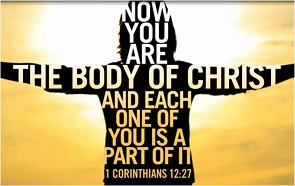
It was at this time I was feeling a real dissatisfaction with the church system. I felt there must be something more, this did not seem to be what Jesus meant when he said he would build his church. There was so much division and separation, no one was allowed to talk or discuss anything and only a select few had control of the service yet what I saw in the bible said we should all have a word, or a song, or a prayer. I read that Jesus was the head and each of us are equally important parts of his body. And what about the verse telling us we are the temple of the Holy Spirit and he dwells within us. I kept thinking about this and wondering why so many said the building was the church and they kept saying come to our church because the Spirit is going to fall and God is going to show up at this particular meeting. Yet the bible said the Spirit fell a couple thousand years ago upon the Church which was the people not a building. The Kingdom of God is within us and God is always with us, he is not going to show up at a special service when He is already within us.
It took us ten years at this particular church of going through the motions of getting up on Sunday morning, going to a service where we sat quietly looking at the back of someone’s head, going through the typical three songs, prayer, offering and listening to one person tell us their view of God, then getting up and walking out the door not seeing or hearing from anyone until the next Sunday. After several years of questioning and much dissatisfaction with the way the organized church seemed to be, we made the decision to leave the system and look to God for guidance. We began seeking the Holy Spirit to teach us because the bible says with the Spirit we do not need anyone else to teach us.
Forsake not the assembling
Of course we were told by several people that we should not forsake the assembling of ourselves with other christians, yet I could not find in the bible where that meant we had to do so in a building on a specific day at a set time. I feel believers need one another for support, fellowship and encouragement, but I believe this is done on a daily basis outside the walls of a church building. How much real support, fellowship and encouragement do we get sitting in a scheduled service once a week looking at the back of the heads of the people in front of you and listening to a select few talk? My wife and I started asking God to lead us to people who we could encourage and who would encourage us. It was not long until we started having chance encounters with people, most of who were going through or had gone through the same thoughts and feelings we were having.
We have found we have been more open to meet and accept people who were outside our style of worship, belief or lifestyle. We read in the bible where Jesus loved people and he did not separate himself by denominations or beliefs. Jesus was God in human form and God is love. We certainly did not always see a lot of love within the system because many seemed to think they were better than others or they had to stay away from certain people. So many felt they needed to point out the sins and mistakes of others or they were denying God.
We feel the Holy Spirit will convict the world of sin and it is not our job do point out where others may be wrong, if they are wrong at all. The Spirit will do the job of pointing out what needs to be changed and dealt with, we as followers of Christ are only called to love.
Out of the system
Since being out of the system for about two years now, neither of us have any reason to return. We have put our dependence on God and the Spirit for guidance and we are finding more and more believers to have fellowship with outside the walls of the traditional church. We would certainly not tell anyone not to go to church if that is what they want to do. For myself I had many years within the system that were good and meaningful. I learned many things and had many good experiences in the system. My wife and I were not abused or hurt by the church but we felt a real unrest with the system and after being out of it we have found more meaningful fellowship and a closer walk with God than we ever did in the past.
Will we ever return to the church system? I do not know. Right now I would say no because we have found a freedom and a dependence upon God that we never knew within the system. Yet we want to follow God and do what he leads us to, so if that would be where he wanted us sometime in the future then we would return.
I personally feel the system is wrong, not the people. There are many people within the organization that truly love God and are seeking to do what pleases him. There are many pastors and church workers who feel they are doing what they were called to do and I will not fault them for that. I think the organization is the problem. The organization is dependent on human leadership and human interpretation which causes division. I do not believe the church system is what Jesus was talking about when he said he would build his church. The Church is the people, not a building, not an organization.
If you are satisfied within the church system then stay where you are until you feel God leading you to something else. If you feel the same unrest in your soul that we did for many years and are thinking of leaving the organization then do so without any guilt. The Kingdom of God is within us. We are the temple of the Holy Spirit. We can have fellowship any day, any place, any time when God brings us together for a meal or a time of talking or praying with another person or two. We want to live each day of our lives in fellowship with the Spirit, listening for his guidance and showing the love of God to any he brings along our path.
So this brings us to the end of my church history as I knew it growing up. Yet it is not the end of my Church history because I am, along with every believer, part of the Church. It is not a building, it is not a system, not a man-run organization but it is each and every one of us equally functioning as parts of the body and following Jesus who is head of his Church.
Jim Gordon and his wife left the institutional church after spending over fifty years within the system. Jim wanted a way to express his thoughts and concerns about the religious system and why he and his wife decided to leave the institution but not their faith in God. Jim can be contacted by email at: jimgordon731@gmail.com
Helping Survivors is on a mission to help heal, educate, and empower people who have been impacted by sexual abuse, assault, or harassment. We are a passionate group of experts and advocates who believe individuals who have experienced sexual assault, abuse, or harassment deserve to know their rights and options.
Undue Medical Debt empowers donors to forgive billions in oppressive medical debt. We are dedicated to removing the burden of medical debt for individuals, families and veterans across America. Click HERE to donate now.
Doctors Without Borders help people worldwide where the need is greatest, delivering emergency medical aid to people affected by conflict, epidemics, disasters or exclusion from health care. Help support us by making a donation here:
Wishes are more than just a nice thing, they can be a game-changer for a child with a life-threatening medical condition. We grant the wishes of children with life-threatening medical conditions to enrich the human experience with hope, strength and joy. To make a donation click here: