Believing God exists or doesn’t exist requires faith, but it seems intuitive a loving Creator would love the way we were created to love. We can examine what a loving God is like through our moral intuitions, our consciences. Christians may argue we should trust “biblical truths” about God, but differing interpretations exist for many moral issues. See here. Also, we can’t prove if biblical writers always understood God perfectly. We aren’t always certain how to best love, but we know that we or a Creator ought to love others as we want to be loved.
It may be presumptuous to be writing about women since I am of the opposite gender. I am more sensitive because I married a strong woman, have two daughters, and saw as a counselor how men in marriage powered over their wives often because of biblical understandings. Views on gender roles effects directly half of the human population. It’s a big deal!
What would you think about women if the Bible or Koran didn’t exist?
Most would agree it is immoral to favor one based on the color of their skin. Intuitively, to favor men over women for particular roles seems sexist or bigotry. I am not sure why any fair-minded person would think women can’t fulfill the same roles as men unless believing a Book about God teaches otherwise. Many more Christians and Muslims wouldn’t deny women equality unless mandated in the name of God according to some Book. Women can obviously feel disrespected and confused why a supposedly loving God would choose according to gender than gifts. Men, walk in their shoes!
What did the main writer of the New Testament really believe?
Jesus gives no hint that he thought roles were determined according to gender than gifts. Jesus was quite inclusion. I doubt the Apostle Paul, the main writer of the New Testament other than the gospels, was bias against women. See here. The most qualified or gifted should surely lead a company. Why not in church? Men in authority over women whether in public, private, or church life is conducive for abuse at the hands of men. Let’s choose the least harmful biblical interpretation. Galatians 3:28 may be God’s ideal: “There is neither Jew or Gentile, neither slave or free, neither male nor female, for you all are one in Christ Jesus (Gal. 3:28).”
What are the consequences of women unequally submissive in marriage?
Best friends, in marriage or other dyad relationships, don’t require a leader. Men often assume loving leadership means making final decisions in impasses. I have never had a marriage issue in 39 years that cannot be solved creatively without one partner making all such decisions. Same between friends. Decisions can be shared or made according to one’s gifts. Men in authority over women can encourage dominance on the man’s part and dependence on the woman’s part, which can be conducive for domestic abuse. Men, including myself, given an inch often take a mile!
God, women, and men!
In many countries a Book is used to suggest God condones women not having the same rights as men to vote, drive, or dress how they want. WHAT! God surely believes in roles determined according to gifts not gender whether it be at home, the office, or in worship. Let’s stand on the side that is potentially less abusive to half of God’s creations. It could be argued many men don’t abuse their leadership. The temptation to abuse or stifle one’s gifts is best removed. I removed spanking as an option as a father because of the impulse to react harmfully and not consider creative alternatives. No, my kids didn’t all end up in jail! Common moral sense isn’t the enemy!
Mike Edwards has been writing for Done with Religion for some time and has been a great addition to the site. Mike also has his own site where he writes that can be found at What God May Really Be Like He can be contacted by email at: medwar2@gmail.com
As followers of Christ, I feel we should be able to accept and love everyone. No matter what we believe, what our faith or doctrine is, no matter our religion, nationality, sexual preference or color, we should try to see each other as Jesus sees us. This is a type of love we cannot do on our own. It is only possible by the love of God within us.
We want to love, accept and care for people. It is only natural that we will not always agree, but we want to look past those areas of difference and love each other in Christ. This seems to be the way that others will come to see the love of God; not through condemning and bashing one another nor in trying to prove we are right and everyone else is wrong. Love does not mean seeing eye-to-eye, it does not mean we agree or even like some of the things people do. It does mean we look past the differences and we love and respect each other as Christ loves us.
We all have different opinions, views and interpretations of things. We all come from different backgrounds and beliefs. Yet, no matter if we are LGBTQ/straight, Christian/atheist, Republican/Democrat, American/foreign, white/black, male/female or whatever label people put on us, the fact is we are all human beings. We all deserve to be treated with respect and be accepted. Each of us should be able to live our life and make our own choices without being judged and condemned by others. We should be able to discuss our differences respectfully, and none of us should try to force our views and choices on others.
If we could look past the labels we wear and see each other as people who overall want the same things. We all want to be happy, to find love, be healthy and enjoy life. If we could do that, I think showing godly love to one another would be easier, even in our differences.
We need to look past the labels and see each other as human beings who have feelings, and who want share love and friendship. We want to be people who can get to know one another, learn from one another, share thoughts and ideas and accept each other as being created in the image of God.
We are all different, we all wear different labels, yet we are all the same. We are all human beings created in the image of God. Let us each try to focus on the common goal of loving God and loving one another.
Jim Gordon and his wife left the institutional church after spending over fifty years within the system. Jim wanted a way to express his thoughts and concerns about the religious system and why he and his wife decided to leave the institution but not their faith in God. Jim can be contacted by email at: jimgordon731@gmail.com
Believing God exists or doesn’t exist requires faith, but it seems intuitive a loving Creator would love the way we were created to love. We can examine what a loving God is like though our moral intuitions, our consciences. Christians may argue we should trust “biblical truths” about God, but differing interpretations exist for many moral issues. See here. Also, we can’t prove if biblical writers always understood God perfectly. We aren’t always certain how to best love, but we know that we or a Creator ought to love others as we want to be loved.
What does the Bible really say about God and gays?
Leviticus (18:22, 20:13) list unnatural male same sex activities as an abomination. Unnatural in OT times could be sex not for procreation. We can’t be sure what activity the writers had in mind. Are lesbians safe because nothing is said about same sex women activities? The OT also lists as abominations lying lips, arrogance, etc. Are straights screwed? The word “homosexual” doesn’t appear in some English translations before 1946. In passages such as I Cor.6:9-10 and I Tim. 1:10 the translation often wasn’t homosexuals” but “boy molesters.” Big difference! And the passage says wrongdoers don’t inherit the kingdom of God. I guess we are all screwed!
Many growing up in church only condemn gays out of devotion to the God of the Bible. Let’s assume it could be proven God controlled pens and minds of the writers so every word in the Bible came from God. The truth is literature requires interpretation, even if ever word written, edited, or translated was inspired by God. We mustn’t claim our interpretations are infallible when being wrong has tremendous consequences. Scholars, who accept Scriptures as authoritative, don’t agree the Bible condemns same-gender loving relationships. See here.
Why would anyone choose to be gay?
How could a loving God possibly condemn gays when they can no more choose who they are attracted to than straights can? If you are a straight man, don’t you naturally have to fight not looking at naked women than men? Ask gays their battle! Who chooses to be gay when one has to hide their sexuality because of bigotry and hostility? The mental health damage is tremendous!
Parents often only condemn their gay children because of a supposed correct interpretation of a Book. It is impossible to feel loved and accepted when someone says “I love you but I hate your sin.” But we tell alcoholics we hate their sin! Hating homosexual sex is only loving if homosexual sex is sinful. Hating alcoholic behavior is loving because alcohol abuse really is harmful. A parent need not reject a gay child according to the Bible.
What do our moral intuitions, consciences tell us about God and gays?
My moral intuitions tell me that God is not bias against females, people of color, or gays. Shouldn’t we choose the least harmful view? We don’t know why one has feelings for the same sex or opposite sex. If you think there is a .0001% possibility that science proves sexual orientation isn’t a choice, why would we judge? It’s a myth that sexual choices are always the result of some trauma or rebellion in our lives. I am convinced the Bible is silent on monogamous same sex relationships, while supporting relationships that show love and concern for one another.
Mike Edwards has been writing for Done with Religion for some time and has been a great addition to the site. Mike also has his own site where he writes that can be found at What God May Really Be Like He can be contacted by email at: medwar2@gmail.com
This is the final part of my church history. Remember, I have been part of the traditional church organization for 40 some years at this point. Although it is the final part of my institutional church history, it is not the end of my story of being part of the Church and following Jesus.
After our last pastor moved out of state and that church faded into history, we found a church that had interested us and excited us for a year or two. A friend of mine had told me about it and it sounded great to us. It was a non-denominational church and since our last church was gone we decided to give it a try.
This church was a little larger than what we were used to but was not a mega-church. The people were very friendly and there were so many activities in which to participate. We really liked that they gave food to the homeless and the poor in the area, they handed out water at parades and did several community related activities. After some time we noticed that very few people tried to get to know us or spend time talking with us because they were so busy staying in groups with people they already knew. My wife actually called two different home group leaders and tried to find out information on joining the group but was met with resistance from leaders who did not seem to want ‘new’ people in their group.
More Dissatisfaction
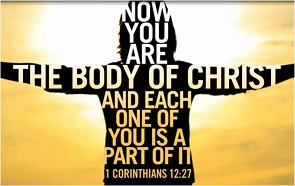
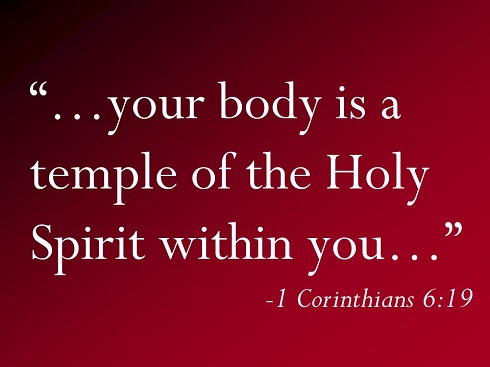
It was at this time I was feeling a real dissatisfaction with the church system. I felt there must be something more, this did not seem to be what Jesus meant when he said he would build his church. There was so much division and separation, no one was allowed to talk or discuss anything and only a select few had control of the service yet what I saw in the bible said we should all have a word, or a song, or a prayer. I read that Jesus was the head and each of us are equally important parts of his body. And what about the verse telling us we are the temple of the Holy Spirit and he dwells within us. I kept thinking about this and wondering why so many said the building was the church and they kept saying come to our church because the Spirit is going to fall and God is going to show up at this particular meeting. Yet the bible said the Spirit fell a couple thousand years ago upon the Church which was the people not a building. The Kingdom of God is within us and God is always with us, he is not going to show up at a special service when He is already within us.
It took us ten years at this particular church of going through the motions of getting up on Sunday morning, going to a service where we sat quietly looking at the back of someone’s head, going through the typical three songs, prayer, offering and listening to one person tell us their view of God, then getting up and walking out the door not seeing or hearing from anyone until the next Sunday. After several years of questioning and much dissatisfaction with the way the organized church seemed to be, we made the decision to leave the system and look to God for guidance. We began seeking the Holy Spirit to teach us because the bible says with the Spirit we do not need anyone else to teach us.
Forsake not the assembling
Of course we were told by several people that we should not forsake the assembling of ourselves with other christians, yet I could not find in the bible where that meant we had to do so in a building on a specific day at a set time. I feel believers need one another for support, fellowship and encouragement, but I believe this is done on a daily basis outside the walls of a church building. How much real support, fellowship and encouragement do we get sitting in a scheduled service once a week looking at the back of the heads of the people in front of you and listening to a select few talk? My wife and I started asking God to lead us to people who we could encourage and who would encourage us. It was not long until we started having chance encounters with people, most of who were going through or had gone through the same thoughts and feelings we were having.
We have found we have been more open to meet and accept people who were outside our style of worship, belief or lifestyle. We read in the bible where Jesus loved people and he did not separate himself by denominations or beliefs. Jesus was God in human form and God is love. We certainly did not always see a lot of love within the system because many seemed to think they were better than others or they had to stay away from certain people. So many felt they needed to point out the sins and mistakes of others or they were denying God.
We feel the Holy Spirit will convict the world of sin and it is not our job do point out where others may be wrong, if they are wrong at all. The Spirit will do the job of pointing out what needs to be changed and dealt with, we as followers of Christ are only called to love.
Out of the system
Since being out of the system for about two years now, neither of us have any reason to return. We have put our dependence on God and the Spirit for guidance and we are finding more and more believers to have fellowship with outside the walls of the traditional church. We would certainly not tell anyone not to go to church if that is what they want to do. For myself I had many years within the system that were good and meaningful. I learned many things and had many good experiences in the system. My wife and I were not abused or hurt by the church but we felt a real unrest with the system and after being out of it we have found more meaningful fellowship and a closer walk with God than we ever did in the past.
Will we ever return to the church system? I do not know. Right now I would say no because we have found a freedom and a dependence upon God that we never knew within the system. Yet we want to follow God and do what he leads us to, so if that would be where he wanted us sometime in the future then we would return.
I personally feel the system is wrong, not the people. There are many people within the organization that truly love God and are seeking to do what pleases him. There are many pastors and church workers who feel they are doing what they were called to do and I will not fault them for that. I think the organization is the problem. The organization is dependent on human leadership and human interpretation which causes division. I do not believe the church system is what Jesus was talking about when he said he would build his church. The Church is the people, not a building, not an organization.
If you are satisfied within the church system then stay where you are until you feel God leading you to something else. If you feel the same unrest in your soul that we did for many years and are thinking of leaving the organization then do so without any guilt. The Kingdom of God is within us. We are the temple of the Holy Spirit. We can have fellowship any day, any place, any time when God brings us together for a meal or a time of talking or praying with another person or two. We want to live each day of our lives in fellowship with the Spirit, listening for his guidance and showing the love of God to any he brings along our path.
So this brings us to the end of my church history as I knew it growing up. Yet it is not the end of my Church history because I am, along with every believer, part of the Church. It is not a building, it is not a system, not a man-run organization but it is each and every one of us equally functioning as parts of the body and following Jesus who is head of his Church.
Jim Gordon and his wife left the institutional church after spending over fifty years within the system. Jim wanted a way to express his thoughts and concerns about the religious system and why he and his wife decided to leave the institution but not their faith in God. Jim can be contacted by email at: jimgordon731@gmail.com
It isn’t easy leaving the institutional church when you are still into God and church has been a part of your life for years. Leaving can be almost an impossible choice. Where else can you share your beliefs and love for God? Not all outside relationships share the same interests in God. If you voice differing opinions about God in the church building, you often face rejection or doubt from those who love the same Creator. You don’t want to be divisive, but you are sick of pretending.
I got tired of being told to “not major on the minor”
What the hell is so minor about believing a loving God tortures those who don’t believe in God while a short time here on earth? What is minor of denying women use of their gifts who clearly can preach and teach better than some men? Not my damn wife and daughters! It’s a big deal to condemn gays in God’s name though they have no choice who they are attracted too.
I got tired of being told to believe in the Bible or else
Sorry. I am not convinced all what the writers claims about God is true. It can’t be proven writers got God right or wrong. Interpretations are debatable though extremists never admit they could be wrong. But that’s not the point. One writer claims God supposedly ordered the murder of women, children, and infants in war (I Sam. 15:3). God supposedly approved a wife’s hand being cut off when grabbing another man’s genitals (Deut. 25:12). Not questioning if writers always portrayed God accurately has led to killing infidels in God’s name and justifying wars throughout history.
I got tired of a lot more things
I got tired of the lack of open dialogue. If I opened my mouth about disagreements about leadership’s views of what a loving God is like, I felt I was being divisive and pulling others down. I don’t mind disagreeing. That is my nature. But I am not looking to force my views on others.
I got tired of being preached to where I couldn’t ask questions directly to leadership. Church morning fellowship works for some. Not me. It didn’t deepen my relationship with God. I need more discussion with those whose opinions everyone else is buying into.
I didn’t mind being challenged to help the less fortunate, but I got tired of the majority of the budget going for salaries, facilities, and great children’ programs. It is my responsibility to guide my children in their relationship with God.
I got tired of having a hidden agenda with those outside the church. Sinners, believe or go to Hell!
Okay, I love not having obligations on Sunday and not having to dress up
Why shouldn’t I give up certain Sunday obligations when I am miserable? I rather cut the grass, play tennis, or whatever. I can try to find fellowship in others places. My relationship with God isn’t about an institution or day of the week. It’s a daily, hourly relationship.
The last straw!
At the last church I attended, which was a megachurch with respectable leadership, I begin helping with a group involving newcomers that had questions about God. Perfect for me! I am a pretty open-minded guy. I enjoyed having open discussions about God but that wasn’t always comfortable for leadership. My co-leader believed exactly what church leadership did. I was treated nicely, but they didn’t think best I continue to help lead such groups. The truth was I was more qualified because of my readings and background leading groups than other leaders. But newcomers were attracted to the church because of the beliefs of the pastor and church leadership. I don’t feel called to create dissension for those seeking to have a relationship with their Creator for the first time often.
Mike Edwards has been writing for Done with Religion for some time and has been a great addition to the site. Mike also has his own site where he writes that can be found at What God May Really Be Like He can be contacted by email at: medwar2@gmail.com
The word ‘fellowship’ is just another one of those Christian buzzwords that you almost never heard outside of the church. We hear the word fellowship often and we all have our ideas about what it actually means to fellowship with others.
For me, growing up in the church world taught me about the need for fellowship with other believers. Of course, this fellowship was reserved for the weekly gathering inside a building on Sunday. I remember thinking that real Christian fellowship was sitting there each week, listening and watching others perform for God, then shaking hands with someone while on the way out the door.
For many years while within the institutional church, I never thought about fellowship in any other way than what I had been taught. Fellowship was with people who believed just like me. I always felt it may be dangerous to associate with people who believed differently or did not believe at all. After all, they may cause me to fall or backslide in my faith.
Now That We’ve Left The Church, Where Do We Go?
After many years of an uneasy feeling and not being satisfied with our church life, my wife and I decided to leave the organization and live outside the walls of religion. After leaving the church, my wife and I wondered where would we go for friends and ‘fellowship’
I found an answer in an article my friend, Rocky Glenn wrote entitled ‘Fellowship and Community’ in which he talked about fellowship within the church and leaving that church fellowship. He says:
“Two of the most common questions asked when others learn you have made the conscious decision to live the Christian life outside the walls and confines of a traditional church building are “Who do you fellowship with?” or “Where do you find community?”
These questions show how conditioned we have become in the institutional church to speaking our own language and seeing the world through the lenses of our stained-glass windows. The two terms — fellowship and community — are rarely heard outside the context of church. For example, have you ever invited a coworker to dinner or for a drink by asking them if they wanted to fellowship? When you are sitting in the stands at the high school football game, do you often lean over to the guy sitting next to you and explain how happy you are the two of you can experience community together? While each of these examples, by definition, constitutes the term used, we do not speak in such a manner on a normal basis and to do so would actually be quite silly. To fellowship with another is to have a friendly association over shared interests.
Rocky’s statement shows that fellowship can and does happen outside the church walls. It can happen in a restaurant, a bar, a football game, or on a street corner.
Photo by Kevin Curtis on Unsplash
Once my wife and I began to realize that fellowship happens anywhere, it did not take long for God to bring people across our paths in places and at times we never expected.
We were sitting in a local café one morning relaxing and drinking our morning coffee when we noticed two men at the next table. One was a young long-haired hippy-looking guy talking with an older gentleman. We could not help but hear their conversation at times and we kept noticing that they were talking about God and life in Christ.
After some time of listening, we decided to politely ask about their conversation and found that the younger guy was in a Christian heavy metal band. He had left the traditional church a few years ago and was living outside the walls of religion like us. This was an encouragement to us because it showed us that God can provide people for fellowship at any time and in any place. We just need to be alert and ready.
What Is Fellowship?
Fellowship, according to Merriam-Webster is a company of equals or friends; the quality or state of being in a comradery. Over the years of sitting in a church service, I never saw fellowship take place that matched up to this definition.
For the usually meaningless talk that goes on at a Sunday morning church service, there is no way that meaningful fellowship will happen.
Fellowship is more than listening, more than having similar beliefs or doctrinal views. It is getting to know people for who they are, even if it means they see things differently. It is being yourself and having people accept you for you. It is caring and responding in meaningful, respectful ways.
1 Thessalonians 5:11 states, ‘Therefore, encourage one another and build one another up, just as you also are doing’. As this verse tells us, fellowship is to encourage each other and build one another up. It is not totally agreeing or seeing things the same way. We are to be a positive help to our fellow human beings.
In our world today, people seem to want to stay separated into like-minded groups. We see it in all the various denominations in church, we see it in all the various interest groups and social groups. Everyone wants to fellowship only with people who are like them.
Finding Fellowship In The Wrong Places
Looking back on it now, I can see that I had more fellowship with my non-Christian friends in the backyard or at school than I did sitting in a religious service each week. I passed up many opportunities in the past to meet with people and in places that had nothing to do with church or any religious activity. Due to my religious upbringing and understanding that fellowship took place in church, I felt a little guilty about enjoying fellowship with others outside of church and with people who were not always so like-minded.
Fortunately, I have found that fellowship can happen anywhere and anytime. It does not have to be within the confines of an organized service in a church. In fact, it normally does not happen there. God brings opportunities each day to talk to people and share love and acceptance. What we need to do is erase the concept that fellowship only happens in a church service. We need to be alert to the leading of the Spirit and ready to greet people with the love of God.
Photo by Priscilla Du Preez on Unsplash
It seems that people just want to be heard and accepted. Even those who are quiet or a little introverted will open up and talk when they find someone who is genuine, caring, and truly listens. Often, one person listening can bring about the most meaningful times of fellowship.
A Religious Man, A Morman and A Truck Driver
(and no, they did not walk into a bar)
Just the other day, my wife and I heard about a young man who was returning to his military base after leave. Unfortunately, he was involved in a serious car accident and died due to his injuries. Our local town was honoring this young soldier by having residents line the streets as his hearse and small motorcade passed by.
While we were standing on the street corner waiting, we met a few people we never thought about running into. First, there was a man who was obviously religious. It was interesting talking to him knowing we had some commonalities in our faith. Yet at times it was obvious he had some beliefs that were very traditional and strictly religious. The good thing was we were outside the walls of a church and were able to talk and express ourselves without getting into a big debate over doctrine or denominational beliefs.
While we were talking with this gentleman, two young men came walking up and stopped to talk a minute. They were both dressed in white shirts with ties and the same style of pants. It was very obvious they were Mormon missionaries. It would have been easy to ignore them or tell them we were not interested and get them to move on.
Fortunately, we did not do that. We were nice and accepting to them and talked about a variety of topics. I think they were a little surprised that someone would actually carry on a conversation with them without debating or arguing over their beliefs. We actually had a very nice talk for about fifteen minutes and learned a little bit about each other apart from our differences in doctrine.
Not long after the missionaries moved on, an older gentleman walked up and asked what was going on with all the people lining the streets. We told him what was happening and he decided to wait and pay his respects also. He started talking a little about himself and told us he used to be a truck driver. Once he noticed that my wife and I were really listening and paying attention, he suddenly opened up about several personal issues and the pain of losing a child when he was younger. We ended up talking another twenty minutes about his family and his history and hopefully made his day a little brighter.
What Does Real Fellowship Look Like?
The purpose of talking about these encounters is to show that God can bring people into our lives for the purpose of fellowship when we least expect it. Who knew when we stood on the street corner to pay respects to a person we did not know, we would have personal encounters with three separate people and enjoy times of real fellowship with each of them?
Fellowship is no more than listening, responding with kindness, caring, and showing the love of God. We all can do it if we take the time to pay attention to the needs of others and show them we are interested in what they have to say.
Photo by Tim Mossholder on Unsplash
Fellowship really is not hard to do. Be yourself and allow other people to do the same. Be respectful, kind, and share the love of God in a way that makes people feel they matter.
The Last Word
Fellowship can happen anytime, anywhere, and more often than not, it does not happen within the confines of a religious service. Fellowship is not just a Christian happening; It is for all people.
There are so many people in our world who are hurting or confused and just need someone to listen to them. Be ready, be alert and follow the leading of the Spirit to show love and accept people for just being themselves. Something so simple can mean so much to someone who needs a little fellowship.
Jim Gordon and his wife left the institutional church after spending over fifty years within the system. Jim wanted a way to express his thoughts and concerns about the religious system and why he and his wife decided to leave the institution but not their faith in God. Jim can be contacted by email at: jimgordon731@gmail.com
As a young adult I continued on with the weekly attendance at the same local church, although the particular place would be changing over time.
At my ‘home’ church my parents were always active and well known. My dad was Sunday school superintendent and Lay leader. My mom helped in Junior church, Vacation bible school and worked in the office on Sunday.
Popularity in the church
As a young adult I have to say I enjoyed the popularity of being known by about everyone in the congregation. I even had my own key to the church building so I could go in anytime I wanted and pray or play the piano or just talk with a friend or two.
I think it was around this stage that things began to change for me. I began having questions about things I was reading in the bible but I knew that it was best to keep these questions to myself. I figured there were logical explanations that I would figure out as time went by, or it was a matter of not completely understanding the bible yet I knew they were not questions I should bring up openly or people would begin to question my faith.
A friend of mine invited me to his church for a special service. After the service he introduced me to his pastor and we talked a little bit. The pastor was very friendly and seemed interested in having me there. He kept talking about getting together with me to play checkers and talk a bit, but when I told him I had a home church he all of a sudden lost interest, thanked me for coming and took off to talk to someone else.
Becoming Dissatisfied
After twenty years or so in my home church I felt it was time to move on. I thought I had come to a point where I was not learning or growing and a new church would be the answer. Little did I know that this was just the beginning of a long drawn out process of eventually leaving the system.
As I began to venture out and look at other churches I first went to a church of the same denomination, thinking new people and a different pastor was what I needed. It did not take long to realize I was not satisfied anymore than I was at my previous church. So off I went looking to a different denomination to try out.
A friend of mine at work suggested visiting his church because it was friendly and exciting and had a pastor that preached the ‘full gospel’. I thought I would give it a try and after a couple visits thought I had found the most spiritual people in town. I also found a woman there who later became my wife. It was a non-denominational church and openly participated in the gifts of the Holy Spirit. I was on cloud nine for a while thinking I had found what I was looking for, a place where the Spirit was falling on the congregation and God would show up for each service.
It took ten years but as I got to know people on a more personal level I found out they were not as spiritual as I had first thought. It turned out that many of them only used different spiritual words and terms but were no different than any other christian I knew. The church service, although more lively and exciting was still pretty much the same format and way of doing things.
So what did I do? Yep, my wife and I headed off for another church. This time we landed at a different style church than I had never been in before….a mega-church. Wow, talk about exciting. They had a full band and the service was televised so there were lights, sound systems and performers in make-up. Again I thought I had found the most spiritual people I had ever known.
After about three years it all kind of lost its excitement. I again noticed the same underlying system was in place. It was a little different in the fact that the pastor, if seen anytime off stage was escorted by body guards. When I wanted to walk around the large church complex and take a look at things ushers stopped me and told me I was not allowed in that particular area. Now to someone who used to have a key to the church building this was a big blow. I just could not get used to the tight security and the TV professionalism the pastor and musicians carried out each week.
End of a marriage
About this time my marriage of thirteen years fell apart. Things just did not work out and we went our separate ways. It was a blow to me because I was always taught in church how much God hated divorce. I had seen many pastors and church workers in the past be told they could no longer participate in leadership roles at church due to being divorced. So I ended up dropping out of church due to guilt. I figured I would no longer be accepted there and actually thought God might be mad at me. This went on for about three years.
Now the best thing for me happened when I met my current wife. Yes, we ended up getting married even though I was taught divorce was wrong but remarriage was even worse. We both felt very much in love and believed that the love we felt could not be wrong and we believed God brought us together to live a happy life for him.
A new beginning in church
I felt good when we agreed we needed to get back in church. Fortunately, things began to change when we found our new church. This time we ended up back at a denominational church but much smaller and more like the church I grew up in. The pastor was different. He seemed to have an enthusiasm and preached with excitement that neither of us had seen before. It was a friendly church, yet as time went on we realized it was a church that was pretty much run by two different families. As we got to know the pastor more, we found that he was frustrated from the pressure put on him by these families who wanted things done their way. We also found out that the pastor recently had an encounter with the Holy Spirit and he was preaching with new power and enthusiasm, something we really enjoyed but this particular denominational church wanted nothing to do with it. The pastor was a great help to my wife and I telling us about grace, forgiveness and the love of God like we had never heard before.
Unfortunately, this did not last but for a few years. The pastor moved out of state and the church kind of fell apart. So again, off we went looking for something else. What we found next was the beginning of the end of our time in the organization. This will be talked about in the next article.
Jim Gordon and his wife left the institutional church after spending over fifty years within the system. Jim wanted a way to express his thoughts and concerns about the religious system and why he and his wife decided to leave the institution but not their faith in God. Jim can be contacted by email at: jimgordon731@gmail.com
We know the conventional God often taught. God is all knowing, but then why doesn’t God warn of future decisions that have negative consequences? God is all powerful, but then why doesn’t God stop more evil? God can’t feel sad because that would show weakness, but then why can God get so pissed to create Hell and tortures unbelievers forever after life on earth?
God is exactly like you imagine!
A Creator surely loves in ways God’s creations sense they were created to love one another. Is it natural to be bias against women priests or preachers? Is it natural to condemn gays who can no more choose who they are attracted to than straight people can? Would we create a place such as Hell to torture our enemies after their death? God wouldn’t either. See here.See here. See here.
The enemy may be our interpretation of an inspired Book and not our common moral sense. Biblical scholars who respect the Bible disagree God is bias toward women, that God condemns gays, or that God created such a place for Hell. Only a hypocritical God wouldn’t love in a way we know that we ought to love others. God is who you imagine a loving God is.
God can’t control evil
Atheists and believers agree. The only God worth believing in and following is a perfect God. Can God manipulate others? We would say no because love doesn’t manipulate. We hate when we see friends try to control others for their own reasons or gain. Obviously, God’s love must be uncontrolling. God can’t control evil because granting freedom requires not denying freedom. Or we could say God can’t control evil because God’s very nature is love and true love is uncontrolling.
God doesn’t arbitrarily answer others’ prayers and not yours
Let’s be honest. More prayers are unanswered than answered. God can’t wave a magic wand without accounting for freedom. We can talk to God for self-examination, for sharing our concerns, and not feeling along in a chaotic world. We tell others seeking influence from the right people leads to making wiser choices. It isn’t that you didn’t beg enough or have the right attitude. It isn’t that God had the power to do something about it, but chose not to; it’s that God can’t. Divine love limits divine power. Simply put, God’s love is uncontrolling.
God suffers with us
Conventional thinkers don’t like to suggest God has feelings of vulnerability, but they don’t mind talking about God’s wrath. If a God can be angry, a God can be sad. God hates when we are suffering. If God truly loves, God like a friend hurts when you hurt. We may wish God would just intervene but there may be legitimate reasons why God’s can’t. But God is with you each step of the way as we reach out to others for help.
God can’t know the future
To say God knows the future suggests a predetermined future which makes freedom nonsensical. God’s plan is not a detailed blueprint but a general one to set us free to love. God wants what you desire for your future, unless you want to be an extremist or terrorist. God isn’t keeping secrets as if God knows your marriage will end in divorce. God deals as much with uncertainty as we do, as not even an all-powerful God can know a free, undetermined future. God seeks to help us in any way possible to achieve our dreams.
Imagine the perfect friend. That is God!
God loves like you want to be loved and how you wished you loved others. God hates when prayers can’t be answered. God feels the same pain you are experiencing. God shares the dreams you have for your future.
See Thomas Oord’s book Open And Relational Theology for life changing ideas
Mike Edwards has been writing for Done with Religion for some time and has been a great addition to the site. Mike also has his own site where he writes that can be found at What God May Really Be Like He can be contacted by email at: medwar2@gmail.com
The short answer to what belief God requires is none. We can only compare a loving God to what a loving parent may require. Such a parent requires nothing. They love their child unconditionally in hopes the child will choose to return their love. As a child gets older, love doesn’t interfere as we often only learn through the consequences of our actions. God created freedom so God is required to be uncontrolling.
Doesn’t God in the Bible require belief to get into Heaven?
Many claim that the Bible was written to instruct people what beliefs avoid God’s wrath and Hell. Many scholars now recognize that the Bible’s main message is expressing God’s desire to have a relationship with each and every individual in this world to face inevitable challenges. See here.
Jesus didn’t talk about escaping torture after death. Jesus replied to simply love God and your neighbor (Lk.10:25-37) when asked how to have eternal life. Jesus’ focus wasn’t on quantity of life after death but about a life worth living here on earth. Jesus’ message wasn’t about requiring certain beliefs but avoiding making destructive choices. This is the message of any loving parent!
Doesn’t God at least require belief in God?
God isn’t a God of chance! The majority of people born into this world never had a Bible? The truth is the majority of people accept or rebel against a certain religion based on the family born into whether it be Christian, Muslim, Buddhist, etc. A child who was sexually abuse by their father may struggle to accept a God who is most often betrayed as our Father in Heaven. Do you really think a loving God is going to judge all based on their beliefs during a short time here on earth influenced by so many random factors?
Surely you have to believe in the mother of all beliefs?
Don’t you have to believe at least Jesus resurrected from the dead? I know even asking this question is offensive to many, but I care more about those who want to believe in a God but struggle with certain requirements as opposed to those who are already convinced a loving God is real. Jesus told followers He was coming back from the dead and they didn’t believe Him. And they supposedly witnessed miracles beforehand to have less doubts such a claim was possible.
I would like to think more of us if we witness a man or woman coming back from the grave after being killed that we would be convinced of their message. But none of us lived during biblical times, so we will not have such an opportunity. I happen to believe the historical evidence is credible that Jesus rose from the grave, but God can handle doubts or skepticism.
God only hopes for what every loving parent desires
I am convinced God only wishes for all to consider the possibility of a loving God who desires to help you in your journey of becoming the person deep down you want to become. Loving, human parents don’t require certain beliefs from their children before hoping they will consider if they love them. Are we better lovers than God?
Do you want to believe more in God? I am not sure there is anything to lose in beginning a journey of faith if the desire is to live life with fewer regrets. Personally, the biggest reason for being a God-follower is the inspiration and encouragement I sense in striving to be a better human being. If God is real, they should be able to make their case with each individual.
Mike Edwards has been writing for Done with Religion for some time and has been a great addition to the site. Mike also has his own site where he writes that can be found at What God May Really Be Like He can be contacted by email at: medwar2@gmail.com
1 Corinthians 3:16,17 – Do you not know that you are the temple of God and that the Spirit of God dwells in you? If any man destroys the temple of God, God will destroy him, for the temple of God is holy, and that is what you are.
The Old Covenant days of the temple are over. According to the New Covenant, we are now God’s house the Spirit of God lives within us. So many people say the organized church is where God lives, but this verse tells us that God is more personal than that. God can no longer be contained within a building. We are His dwelling place.
The church is not God’s temple
Each one of us who are saved by grace are now the temple of God. It is so hard to get away from the thought that God is up there somewhere, or that we have to go to church and wait for God to show up. This kind of thinking is now obsolete.
These verses point out that the temple of God is holy, and that is what we are. We are His temple, and that makes us holy. Not by any works we have done or can do, but by the work that Christ has done. It is hard for us to accept the fact that in Christ, we are holy and righteous. We are kings and priests. We were sinners, but the old sin nature was crucified with Christ on the cross. It is now dead and we are new creatures in Him.
We are Holy and Righteous
We need to stop being so negative and depressed because we feel like we have let God down and unable to live a holy life. Actually, we cannot live a holy life, but God, through the grace of Christ, makes us holy. We are the righteousness of God. It is Him, Jesus our all in all, living in us.
Our spirit is now holy and righteous. Our mind is still being transformed and our body is still a work in progress, but thanks be to God, our spirit has been made perfect.
Let’s start focusing on the fact that God is right here within us through His Spirit. We do not have to go somewhere looking for Him, we do not have to wait for Him to show up. Right now, we are in His presence. He is the vine, we are the branches. Rest in Him and allow the Spirit to love those around you each day.
Jim Gordon and his wife left the institutional church after spending over fifty years within the system. Jim wanted a way to express his thoughts and concerns about the religious system and why he and his wife decided to leave the institution but not their faith in God. Jim can be contacted by email at: jimgordon731@gmail.com
Helping Survivors is on a mission to help heal, educate, and empower people who have been impacted by sexual abuse, assault, or harassment. We are a passionate group of experts and advocates who believe individuals who have experienced sexual assault, abuse, or harassment deserve to know their rights and options.
Undue Medical Debt empowers donors to forgive billions in oppressive medical debt. We are dedicated to removing the burden of medical debt for individuals, families and veterans across America. Click HERE to donate now.
Doctors Without Borders help people worldwide where the need is greatest, delivering emergency medical aid to people affected by conflict, epidemics, disasters or exclusion from health care. Help support us by making a donation here:
Wishes are more than just a nice thing, they can be a game-changer for a child with a life-threatening medical condition. We grant the wishes of children with life-threatening medical conditions to enrich the human experience with hope, strength and joy. To make a donation click here: