Feeds:
Posts
Comments

Posts Tagged ‘religion’

by Michael Donahoe

I grew up in the traditional, organized church. I was always taught that the pastor was head of the church, and he had all the answers and so much more knowledge than anyone else in the church. I mention the pastor as a ‘he’ because when I was young and growing up in the church it was unheard of to have a woman pastor.

I remember scheduling meetings with the pastor so I could ask him questions and find out all the answers to Christian living. It almost floored me one time when I asked the pastor a question and he actually said he did not know the answer.

Looking back, I can see that I certainly looked to the pastor rather than looking to the Spirit. I was putting my hope in a man that I thought could tell me everything about God, yet I was not seeking to know God himself.

Next in line were the board of elders. Each of them were so much more holy than I or anyone else in the church or else they would not be in that position of authority. At least that is what I thought at the time. I have a friend who thinks prayers have more authority when she goes to the board of elders and has them pray.

Questioning Christian Leadership

The longer I was in the church, the more I began to wonder about things. Of course I did not dare ask the questions I had since people would be questioning my faith, or think I was questioning the pastor.

When I read that Christ was the head of His church, I wondered why the pastor seemed to get credit for that position.

I read that we should call no one father (or pastor) other than God, and I again wondered why people in position of leadership and authority in the church wanted to be called pastor or apostle or elder.

We are told that the Holy Spirit is our guide and teacher, and we do not need anyone other than him. Yet, we look to the pastor, or an elder, or some big name evangelist to find all the answers to our questions.

I began getting dissatisfied with having these questions and not letting them surface enough to come out and be asked. I began to realize I had more and more questions, and fewer and fewer answers.

I finally started coming across books and websites of people who seemed to be in the same boat. They were wondering and questioning and being open with their questions. Some of them seemed to actually come up with some answers that made sense to me.

The more I thought, questioned, and read, the more I began to realize that our traditional church system is really not what God intended for the church. I also realized that questioning is not a lack of faith. God can handle our questioning; in fact, most of the time Jesus taught more with questions than answers. He wanted people to question and reason over things.

True Christian Leadership

The true Church that Jesus is building is not a brick and mortar place. The head of the Church that Jesus is building is not a pastor, pope, elder, or apostle. In fact, the head is not a man or woman at all.

Leadership in the Church of Jesus is not what we have always thought of either. When we realize Christ is the head and leader of his Church, we begin to realize that man has no business demanding or expecting people to follow them and put them in the place of Christ.

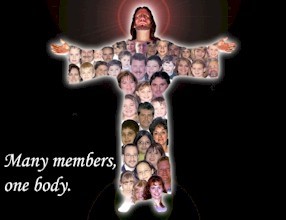
True Christian leadership is not an office of authority. It is not a place for only a few who are specially trained at a man-made Bible school. True Christian leadership is for all of us who are members of the Church of Christ. We are all kings and priests; we are all holy and righteous because of Christ. To be clear, when I say Church of Christ, I’m not talking about any denomination or physical building. The true Church is a community of people who are following Christ, and He is our head. All the rest of us, men and women alike, are equally functioning body parts of his Church.

My Christian leadership story

No person has a place of authority over another. That is the world’s way of doing things. That is the business way of doing things. Needless to say, there are a lot of churches and religious organizations that are acting like big business with their presidents and CEO’s, but that is not how it should be.

Christian Leadership as God intended is the Spirit working through the different body parts, leading by example. They are encouragers and teachers from a place of love and experience, not a place of authority and power. Each of us are leaders at one time or another in this sense of leading by example, experience, and love. We come in contact with those who need encouragement or a little guidance, not from someone who thinks they know it all, but from someone who has been there. A person who, out of love, wants to see the best for everyone.

True Christian leaders will not demand your loyalty. They will not want your allegiance to them. They will not rule over you with authority and expect you to follow them no matter what. True leaders will want to lead you to the head and true leader of the Church, Jesus. It is time we stop looking to men and women as our guides and leaders, and look to Jesus. We need to listen for the leading, guidance, and teaching of the Holy Spirit who is actually God within us, rather than seeking the knowledge and wisdom of mere men.

*******

Michael Donahoe was added as a writer as his views fit perfectly with those of Done with Religion. He also writes on Substack at https://personalmeanderings.substack.com/

Read Full Post »

By Mike Edwards

Are you willing to admit you may be wrong in your view of God. We can all agree God hates sexual abuse. I have no doubt that God doesn’t condemn gays, even according to the Bible, but I am open to discussion if you are. Disputable beliefs have different consequences for the layperson as opposed to leaders. Livelihoods can be at stake for religious leaders if they don’t preach certain beliefs according to the expectation of denominations or people in the pews. 

One’s view of the Bible is a problem

It is assumed God approved everything written about God in the Bible. The problem is God isn’t always portrayed as loving. See here.  Even if the writers understood God perfectly, which we can’t prove, we can’t claim our interpretations are perfect. Biblical scholars who have a deep respect for Scriptures don’t interpret/agree what the Bible says about God’s views about gays, women, hell, and other moral issues. A Creator surely loves the ways their creations ought to love one another. Perfect Godly and human love must be the same. A supposed inspired Book must not replace our discussion of common moral sense given to us by our Creator.

People loving certainty is a problem

Laypeople often find comfort psychologically in certainty rather than uncertainty. One may believe the seemingly certain narrative because unknowing can create anxiety. Also, disagreeing with friends or those in leadership about God’s character can lead to conflict and loneliness due to isolation. It doesn’t matter if those who proclaim certainty have good intentions or believe their ideas are right about God. Openness is critical in case we are wrong.

Not claiming certainty can have great consequences for those in leadership positions. It is not easy changing your mind in front of people you have advised to believe something different. Laypeople often crave certainty, so less than dogmatism can lead to anxiety for the flock. Threats of job security for leadership is real if disagreeing with the popular but uncertain narrative. In politics different opinions might not lead to reelection. Pastors risk being kicked out of the pulpit.

So, are we clueless what God is like? 

A Book cannot be the sole determinate of what God is like since the same passages are subject to different interpretations. Our inborn sense of good and evil, not an ancient Book, tells us sexual abuse or murder is immoral. A Creator surely loves the way creatures intuitively think they ought to love. We all seem to know the question we ought to ask ourselves – am I loving others perfectly? There will be less disagreements when we don’t insist on our interpretation of a Book. People deep down know how to handle disagreements. Until we all ask ourselves “am I acting toward others like I want to be treated,” we are destined to fail and come to a solution. 

Christian leaders must recognize their hypocrisy!

I am sure I don’t always know my own hypocrisy, but I recognize hypocrisy when I see it! Many conservative Christians leaders accuse the current government Administration and health officials of misleading by maintaining their interpretation is scientific truth. It’s hard to understand the scientific truth keeping bars open but not churches during the pandemic. It used to be not science if there wasn’t debate. Well, it isn’t biblical truth because you say it is according to your interpretation. It is true science is fluent. It is also true we can’t prove God exist much less that our view of what God is like is correct. ‘Uncertainty” falls both ways – religion and science. 

Freedom of expression because of uncertainty is critical to lead forward 

Freedom of ideas are what separate democratic societies from dictatorships. Freedom is often quashed because individuals claim certainty in their beliefs. Christians leaders condemn gays in God’s name because the Bible says so, and demands others believe as they do. They don’t consider they may be wrong. See here.  Climate experts don’t agree with the narrative concerning climate change. Claiming certainty rather than defending one’s position is not how a democracy works. One must have the freedom to make their own decisions when there is uncertainty. Religion and science are playing God (Superior) in the lives of others by claiming they know the truth and we are too stupid to decide for ourselves!

What is a religious leader to do?

When universal agreement doesn’t exist, such as the evil of sexual abuse, it must become obvious that one must be allowed to form their own opinions since uncertainty exists. We must stop being so damn certain of our understanding of God according to the Bible, especially when our interpretations are contrary to our moral intuitions. The central message about God in the Bible seems to be to strive to love others like you want to be loved. I will debate anyone who thinks a loving God, by Jesus’ example, encourages treating others like shit. We can stop labeling those who disagree with our biblical interpretations as heretics. We can stop calling those who disagree with our views of science as conspiracists. Thousands of denominations exist because of the focus on uncertain beliefs. I am convinced the only belief God cares about is loving others as you best know how!

Why Might Religious Leaders Hold To Questionable Beliefs?

Mike Edwards has been writing for Done with Religion for some time and has been a great addition to the site. He couldn’t find enough people to discuss God openly so he started blogging years ago. Mike also has his own site where he writes that can be found at What God May Really Be Like  He can be contacted by email at: medwar2@gmail.com

Photo For Facebook

Read Full Post »

By Mike Edwards

Countries ruled by Dictators where there is no personal choice have failed miserably. Human nature cries out for freedom and to not be led like sheep. Democratic nations or those who have some assemblance of freedom are fortunate if able to fight for their rights. Politics, religion, and science/health practices have something in common that is dividing our country and families. We easily recognize this destroyer in our family/personal relationships but not in public arenas.

Certainty leads to close-mindedness and refusal to discuss differences 

If you find one rational person that has a difference of opinion from your own, you cannot be certain of your opinion. I don’t care if it concerns the safety of vaccines, climate solutions, or if God condemns gays. There are rational or rights to opinions on both sides. Couples who claim certainty are headed toward divorce or a sucky relationship. God-followers and religious leaders seem hell-bent in telling people what they must believe about God according to their understanding and interpretation of the Bible. Politicians who refuse debate of their policies are no different. You can spot destructiveness or evil a mile away – those who censor other opinions. Leaders play God (Superior) in the lives of others by claiming to know the truth and we can’t decide for ourselves.

Why can’t we be more openminded? 

Certainty rather than uncertainty is more comforting psychologically. One may believe what seems to be the popular narrative because unknowing can create confusion or anxiety. Anxiety is avoided by not discussing one’s beliefs with others who believe differently. For one to question a main belief they have been taught in church all their life, such as if Hell is real, can cause one to question other beliefs they have been taught. Questioning if the Covid shots are safe in the long-run, if we have gotten the shots, can raise anxiety about our health. What if we pushed others to get the shots and we end up wrong? Trusting authority always can sometimes be misguided.

The most benign explanation for denying freedom of choice is one who believes they are doing the best for all concerned. This denies uncertainty. The more evil explanation for censoring the opinions of others is one’s desire for control which leads to power over others, intentional or not. Control and power often lead to security (jobs). Control and power flourish when others are not allowed to discuss alternative opinions in the public arena. It isn’t science or theology if there isn’t debate. That is why we often change our mind when able to participate in discussions. One way to judge one’s motive is to question why they fear debating others if they are so sure they are right.

How can we know what is true 

Certainty is an illusion unless talking about universal moral sins such as rape or incest. Adultery isn’t only wrong in the eyes of the betrayer. Most decisions are not black and white and require open debate by those in authority. One must have the freedom to decide what is the best decision for themselves, or the powerful rule the powerless. Those fortunate enough to live in a democratic society must accept the vote of the majority when comes to law setting. You can still defend your position in hopes of a future vote. May the best, most common-sense position win.

I am convinced all know how a loving human should act, whether they never had a Bible (majority born in this world) or don’t believe in God. Christians leaders often claim we must be guided by biblical principles. They assume their interpretation is correct. It is common to hear one argue “The Bible says” without adding “according to my understanding.” The truth is contrary biblical interpretations exist for many moral issues. Hell, we can’t be sure if there is a literal Hell according to the Bible.  See here.

What is God so hidden?

Religious people may ask why God doesn’t make truth more obvious. God may not speak to us demonstratively out of love. Just because earthly parents sometime know and advise what is best for their older child, such advice doesn’t always work out. In fact, overzealousness can lead to feeling controlled, thus rejecting what is best for one’s own good. God’s awing or overwhelming presence may only lead to fearful obligations to obey. The road traveled of learning, reflecting, and not being pressured may best lead to lasting convictions and more meaningful relationships. Maybe God speaks to us in non-dramatic ways (influence) out of love!

The path forward to save a Nation

  • We must first stop claiming our views are morally superior to those we disagree with unless speaking of universal accepted moral truths
  • We must handle differences with physical and emotional civility
  • We must begin conversations by looking for areas we agree
  • We must discuss differences by defending our reasoning, respecting the opinions of others, and commit to growing in understanding
  • We must be openminded. Consider why you are afraid to defend your belief if you supposedly know the “truth”
  • We must protect one’s freedom to choose when the possibility exists we could be wrong
  • We must stop censoring or labeling others as heretics or conspiracists that we disagree with
  • We must stop supporting politicians who advocate censorship or label those who disagree with them as mis-informers. Why believe their view if they can’t defend their views for the supposed good of the world?
  • We must use language that conveys respecting one’s right to believe in a Creator or not

What Is The Greatest Destroyer Of A Nation?

MikeEdwardsprofilepic125

Mike Edwards has been writing for Done with Religion for some time and has been a great addition to the site. He couldn’t find enough people to discuss God openly so he started blogging years ago. Mike also has his own site where he writes that can be found at What God May Really Be Like  He can be contacted by email at: medwar2@gmail.com
Read Full Post »

by Jim Gordon

After being in the organized church for well over fifty years and seeing all the different denominations, beliefs and interpretations, one thing makes me sad. That one thing is to see so many followers of Jesus fight and argue over the different paths we take in our walk with God.

Now that is not saying that all roads lead to God, but while trusting in God and following the example of Jesus, we are going to take many different paths during our life here on earth. We are going to be different from other followers of Jesus, but we are following the same example.

Those of us outside the institutional church should not divide and separate ourselves into us versus them groups. In the same manner, those who are part of the modern-day church should not look down on and separate from those outside the institution. We need to accept that we both love God and are following the example of Jesus along the path that is for us.

I think this is what working out our salvation means. Not that we have to work to earn our salvation, but we continually learn as we follow the example of Jesus in our salvation. We, as Christ followers, will take different paths in our walk with God. We should not expect everyone to walk the same path.

I think this also relates to religion. Jesus was not a Christian and Christianity is not the only religion that leads to God. Many people follow different religions and quite often that is based on where they were born. As an example, most people born in the middle east follow Judaism or Islam. People born in the far east follow Confucianism or Taoism. People of the Indian (India) descent follow Hinduism or Buddhism. Can God draw people from each of these religions? Of course! Religion is not the answer. We were all created in the image of God and God loves the world.

We are to be accepting, loving and kind to all we have contact with each day. It seems we are more concerned about acting and believing the exact same things and following what we think is right. If we do not live that way, we want to fight, argue and separate ourselves rather than accept that God works in each of us in different ways. God made each of us differently, and God leads us along different paths as we walk toward a common goal.

Rather than expect everyone to be just like us, let us start loving one another the way Jesus loved people while he walked the earth. We should not let different religions, interpretations and ways of walking with God be a stumbling block to a loving fellowship with one another.

Besides, we are not going to show anyone how to follow the example of Jesus when all they see is arguing, disagreements and separation among those following Jesus. We will not be good examples of the love of God by insisting people conform to our way of thinking and following our rules and interpretations. The only way people will know we have something worth checking out is when they see those following the example of Jesus loving one another, caring for one another, building one another other up and being loving and kind to those who walk a different path.

Jim Gordon and his wife left the institutional church after spending over fifty years within the system. Jim wanted a way to express his thoughts and concerns about the religious system and why he and his wife decided to leave the institution but not their faith in God. Jim can be contacted by email at: jimgordon731@gmail.com

Read Full Post »

By Mike Edwards

I experience God being such an encourager in helping me to be more the person I desire to be deep down. If you are inclined to believe in God and you don’t feel God’s encouragement, it may be your views of God. See here. Christians often feel an obligation to share God with others because being taught God’s message was believe or go to Hell. Was that how Jesus interacted with others?

How did Jesus interact with others?

Many, including me, are convinced to understand Jesus is to understand God. Jesus encouraged his twelve disciples simply to follow Him. They didn’t all believe right away until Jesus proved himself. Jesus told the woman who had committed adultery: “go now, and leave your life of sin” (John 8). Where was Jesus’ evangelical spiel to avoid Hell? Jesus was asked by a religious expert how to have eternal life. He simply said to love God and your neighbor (Lk.10:25-37). I have a hunch Jesus thought loving God would lead to loving others. Jesus’ example and message wasn’t about escaping Hell but avoiding the destructive consequences of sin in this life. God can help in such a journey.   

How has God acted in convincing others? 

I suspect God is a respecter of one choosing their beliefs. Evil in the world clearly reveals God doesn’t force compliance, or there wouldn’t be so much horrific evil in this world. God obviously understands what we humans know – freedom is necessary for authenticity. Not even God can force true love. If you are thinking God eventually “gets you” in the afterlife by sending unbelievers to Hell, I doubt it.  See here.  

Christians must avoid the “agenda” reputation

Conversations with God-followers often feels like them trying to change your beliefs. We all hate when our partner doesn’t listen and just wants to give advice. One reason many avoid spiritual discussions is because they can smell a hidden agenda a mile away. It’s wrong to engage in friendships with others for the purpose of converting them to believe as you do, without advising upfront your agenda. Christians must avoid the appearance of having a hidden agenda. Conversations need to be natural and mutual.

How can Christians represent or share God?

God may not speak to us demonstratively out of love. Just because earthly parents sometime know and advise what is best for their older child, such advice doesn’t always work out. In fact, overzealousness can lead to a child feeling controlled, thus rejecting what is best for one’s own good. We must be considerate in our discussions about God with others. The road traveled of learning, reflecting, and not being pressured can lead to lasting convictions and more meaningful human and spiritual relationships. We don’t have to feel guilty because we aren’t convincing others about God and their love for them. Most Christians believe God has influential power. God believers can relax and simply share their personal experience if an opportunity naturally arises!

Should Christians Try To Convince Others About God?

MikeEdwardsprofilepic125

Mike Edwards has been writing for Done with Religion for some time and has been a great addition to the site. He couldn’t find enough people to discuss God openly so he started blogging years ago. Mike also has his own site where he writes that can be found at What God May Really Be Like  He can be contacted by email at: medwar2@gmail.com

Read Full Post »

by Jim Gordon

As I wrote in my last article ( Part 1 ), over time I have become a religious heretic. I have questioned and thought about many of the things I was taught in church as I grew up. A few other topics I have changed my mind on are listed below.

Again, let me say, the following are my thoughts and opinions. I am not saying I am right or wrong, but is where I am at now. I have changed my views over the past several years, and I will most likely change my views over the next several years. We are all entitled to our opinions and we should accept each other with the opinions we have. We certainly will not all agree.

Creationism: I have changed my mind on this topic, not that I do not believe that God created all things, but I no longer believe God created all things in six literal days. God created, but when, how and how long it took I do not know. I do not think it is wrong or against the biblical teaching to say creation could have taken thousands, even billions of years. A thousand years to God are as one day to us, so obviously God’s timing is not like our timing.

I no longer say that Israel, or the United States as far as the goes, is God’s chosen people. I do not believe God has a chosen people, religion, country or race. God loves the world, and that includes everyone no matter where they live, what religion they follow, if any, what race, what gender, who they love or who they vote for.

I tend to find I chose social justice over religion these days. Many churches do help others in various areas, but I still found while in the church system, more people were focused on trying to get people to church or to accept their way of religious thinking and less about helping the poor, the unaccepted, the immigrants and others who often time were looked down upon and called lazy.

Knowing that Jesus fulfilled the Old Covenant and we now live in an age of grace, I always find it hard to understand why so many religious institutions focus on the ten commandments and following the Old Covenant law. Why are they pushing what the Bible calls a way of death? For the law of the Spirit of life in Christ Jesus has set you free from the law of sin and death. And, now that faith has come, we are no longer under the supervision of the law.

Another change after leaving organized religion is my acceptance of people who the church normally looked down upon and were not accepted within the religious organization. The LGBTQ family, BIPOC, immigrants and other nationalities and religions. I now have friends and acquaintances from all these groups and totally accept that they were created in the image of God, are totally loved by God just as they are, and we can all learn from one another and treat one another with love and respect. There are no second-class citizens.

So, as you can see, I have changed my views on many things over the past few years. I think that is a good thing. I think we need to stay fresh and open to the leading of the Spirit to lead us in new ways as more truth is revealed to us. I am sure there will be more changes over the years as my wife and I walk with God outside the walls of religion. Obviously, these are all only my opinions and views. I may be right or I may be wrong. I do not force these views on anyone else. Each of us are free to choose for ourselves what we believe. What we are to do is love one another even in our differences, accept each other as we are and live life trying to help and encourage our fellow human beings along the way.

Jim Gordon and his wife left the institutional church after spending over fifty years within the system. Jim wanted a way to express his thoughts and concerns about the religious system and why he and his wife decided to leave the institution but not their faith in God. Jim can be contacted by email at: jimgordon731@gmail.com

Read Full Post »

by Jim Gordon

Yes, I admit it. I have become a religious heretic. So, what is a heretic? According to the dictionary, it is a person holding an opinion at odds with what is generally accepted; the formal denial or doubt of a core doctrine of the Christian faith as defined by one or more of the Christian churches.

First let me say, the following are my thoughts and opinions. I am not saying I am right or wrong, but is where I am at now. I have changed my views over the past several years, and I will most likely change my views over the next several years. We are all entitled to our opinions and we should accept each other with the opinions we have. We certainly will not all agree.

After spending nearly sixty years in the institutional church (including from the time my parents took me as a baby and young child), my wife and I left the organization because we no longer felt we could completely agree with many of the church doctrines and generally accepted ways of the church. What led up to this decision was the many years within the church that taught me some things that I finally had to question.

I remember I went to church whenever the doors were open. I felt that I was going to God’s house and the Spirit may fall during a service and I did not want to miss it. I felt the pastor was well trained in spiritual matters and he was the middleman between God and me. I looked to the pastor for all the answers and to teach me more about God and what I should be doing.

Obviously, I believed that Christianity was the only way to know God and to be a true follower of Jesus. I always thought that Jesus came to start a new religion that would be the only correct way to follow him and only those who followed that religion would be saved.

I always held the Bible in very high regard. I felt it was dictated by God to humans, who carefully wrote everything down so we would have a perfect book about God. It was a love story and a rule book that would guide us each day of our lives. I believed the Bible was the true, inerrant and perfect word of God and it was clear on what it said.

I was one who believed people needed to get right with God or they would end up in Hell after they passed from this earth. Hell was created for the Devil and his angels, but people who rejected God would end up there also. Hell was also a great way to make people afraid enough to make a decision for Christ and boost church attendance.

How many times have we been told that God is our father, a male figure sitting on a throne in Heaven watching down on us, just waiting for us to mess up so he can punish us. If God did not see Jesus in us, then we were all doomed. Even Jesus called him father, so what else could he be?

Now, after becoming totally unsatisfied with what I had always been taught, I started to ask questions and seek answers from someone other than the pastor. I found books and podcasts of others who had other interpretations and views that really made sense. I found many people who had left the institution and were asking questions and finding answers other than the traditional ones the church always taught.

I came to see that church is not God’s house after-all, and the Spirit does not fall at specific places or at certain times. We the people are the church. We are the temple of the Holy Spirit who came to live within us once and for all. The Kingdom of God is within us. The church as we know it is just a building where people meet to fellowship and learn about God, but it is not necessary to attend and there is nothing wrong with not attending if you so choose.

I know there are many religions in the world and that Christianity was not started by Jesus. It is just another man-made organization, but based on the person of Jesus. There are many religions and I believe we can learn from each of them. I believe if Jesus walked the earth today, he would not be a Christian nor attend a church. He would be accepting of all people no matter their personal religious beliefs.

I found that the Bible never claims to be the Word of God, and never claims to be inerrant. The Holy Spirit is our teacher and our guide. John wrote that in the beginning was the word, and the word was with God and the word was God. He also added the word became flesh and dwelt among us. That certainly is not a book. We can learn from the Bible because it is profitable for doctrine, for reproof, for correction, for instruction in righteousness, yet it is not dictated by God and it is not inerrant. I personally feel that the Bible has a lot of allegory and parables that point out spiritual truth, but it is not always actual events.

In regard to hell, I began to wonder how can a God of love create such a place. In the Bible, when it talks about hell (actually Gehenna) it was talking about a dumping ground/sacrificial area outside of Jerusalem. The idea of such a place has its origins in early Christianity, where those who rejected Christ were threatened with eternal torture in a lake of fire, called Tartarus or Gehenna (from Greek mythology and a nearby trash pit, respectively). I think that the theory of hell was started by the early church as a scare tactic to bring people into the church. Hell is a fear-based topic, but we know that perfect love casts out fear. Love draws and there is nothing about love in the theory of hell.

I believe that God is not some super-hero man sitting in heaven watching down on everyone. God is Spirit and the Spirit of God lives within us. God does have male and female traits, but God is not a male nor female. We are the temple; the Spirit of God lives within us. Could it be that the writers of the Bible were following what was common in their day, where women were property and only men were worthy. Did they use their prejudices when writing what would become the Bible by referring to God as male and Father? Personally, I think so. It is all written from a male perspective.

So, as you can see, I am definitely considered a heretic among the traditional Christian church-goers. I have no ill-will toward any of them. At one point, I was where they are now in my beliefs, but I no longer accept or follow the traditional doctrines taught within most churches today. I do follow the example of Jesus of loving God and loving others.

Obviously, these are all only my opinions and views. I may be right or I may be wrong. I do not force these views on anyone else. Each of us are free to chose for ourselves what we believe. What we are to do is love one another even in our differences, accept each other as we are and live life trying to help and encourage our fellow human beings along the way.

Jim Gordon and his wife left the institutional church after spending over fifty years within the system. Jim wanted a way to express his thoughts and concerns about the religious system and why he and his wife decided to leave the institution but not their faith in God. Jim can be contacted by email at: jimgordon731@gmail.com

Read Full Post »

By Mike Edwards

Many want to believe in a God but not the God often claimed by Christians. I wrote here  why some don’t pursue God more or leave the institutional church but not God. I recently read Brian McLaren’s A New Kind Of Christianity who has extensive interactions and travels to opine on what is wrong with Christianity. Though written several years ago, his observations are still relevant and match some concerns I laid out. I believe there are three main concerns that are turning many away from God or the church. How the Bible or “Gospel” is explained leads to condemnation in God’s name against women, gays, other religions, etc.

How Should We View The Bible? 

Many Christians view the Bible as inspired by God, thus assuming everything claim about God by the writers is true. You may notice God isn’t always portrayed as loving. See here. Even if the writers always understood God perfectly, the truth is biblical scholars who have a deep respect for Scriptures don’t interpret/agree what the Bible says about gays, women, hell, and other moral issues. Those differences concern billions of lives and turns many away from God. A Creator surely loves the ways their creations ought to love one another. Biblical understandings should match how you and most know you ought to love your neighbor. A supposed inspired Book must not replace our relationship with God and common moral sense. See here.

What really Is The Gospel According To Jesus?

Christians are quick to quote the Apostle Paul, a main writer of the New Testament, on what the Gospel is: “For the wages of sin is death, but the gift of God is eternal life in Christ Jesus our Lord.” (Rom 6:23). Is the death referred to physical or spiritual? Was eternal life referring to a heaven and hell or a meaningful life beginning on earth. Jesus’ Gospel/words couldn’t be to save you from a fiery afterlife, as such a Hell is a myth according to the Bible. See here.

But what did Jesus say? Jesus didn’t speak of a certain prayer to get “in” with God. Turns out God is only dying to help if you want help. Don’t believe me! See some of Jesus’ interactions here. For example, when Jesus was asked by a religious expert how to have eternal life, He simply said to love God and your neighbor (Lk.10:25-37). Good luck if that was a requirement for salvation rather than loving guidance how to live with fewer regrets. Loving God leads to loving others. Christians are often too busy trying to save others from a non-existing fiery afterlife rather than discussing how God’s presence in our life now helps us become more the person we desire to become deep down. Godly living in this world leads to a meaningful life with less regrets.

What does God really think of other Religions?

Related to our understanding of the Gospel if how we treat those of other Religions. We must have a new attitude of other religions to best represent God. The truth is the majority of people already born in this world died without any knowledge of the Bible or who Jesus was. The majority of people born adhere or reject the religion they were born into. Even the Bible suggests you aren’t judged on lack of knowledge but what you know and whether seeking evil or truth (Rom 2 – see verses 6-8). A God of love can’t be a God of chance!

How can we stop turning others away from God? 

The Bible is not a rules book but a book about God to be questioned. The Gospel is not about escaping from Hell because of a torturous God but whether to seek God’s help in loving others like you want to be loved. I think the only belief God cares about is loving others as you best know how, not different interpretations of the Bible or one’s sexual behaviors. The enemy isn’t other religions but those who are evil and seek to destroy themselves and others. Please consider the loving God I understand!

How Do Christians Give God A Bad Rap?

MikeEdwardsprofilepic125

Mike Edwards has been writing for Done with Religion for some time and has been a great addition to the site. He couldn’t find enough people to discuss God openly so he started blogging years ago. Mike also has his own site where he writes that can be found at What God May Really Be Like  He can be contacted by email at: medwar2@gmail.com

Read Full Post »

By Mike Edwards

Christians are more familiar with the term “deconstructing” from the Christian faith. I am not writing about those who aren’t done with God just religion. I have in mind those who stop believing in God, or God becomes much less a part of one’s life despite belief in God. Such people may have attended church or a religious institute regularly at some time, while others may have rarely or never entered a church door but are inclined to believe in God. Why are many moving away from God though desiring a relationship?

Why are some inclined to pursue God or not? 

Christians especially are guilty of implying those who don’t believe in or stop pursuing God are suppressing what they know to be true. I disagree. I suppose some deny there is a God to justify their evil ways, but those I know not into God as much as me are just as moral if not more than I am.  Let’s not accuse those who believe in a God as needing a crutch or accuse those who question the reality of an invisible God as being wicked and ignorant of their feelings.

Many people do or don’t pursue God, or rebel against God, because of the family they are born in. I am not sure I would be pursuing God if my parents hadn’t encouraged it. Some by personality are more skeptical or accepting. I am sure many don’t pursue God for obvious emotional reasons. A child abused by their father may struggle to accept a God betrayed as our Father in Heaven. Many are turned away from God because of the hypocrisy of God-following friends or leaders.

What may be the main intellectual reasons leaving a belief in God?   

One’s view of God is critical in their journey. See here. I am convinced a major factor in deconverting or moving away from God is because of views claimed about God. It is claimed the Bible supposedly says that God condemns gays, God burns unbelievers in the afterlife, and God doesn’t think women can fulfill the same roles as men though just as gifted. The truth is biblical scholars who have a deep respect for Scriptures don’t agree what the Bible says about gays, women, hell, and other moral issues. See here.  See here.  See here.

Another major intellectual reason is due to certain explanations given for the presence of evil and suffering in our world despite there being a God. It is understandable why many can’t believe in a supposedly, all-powerful God who standbys while one is being raped, tortured, murdered, abused, etc. What kind of parent or God doesn’t intervene when they could prevent such suffering? Maybe a perfect, loving God can’t be controlling just as they can’t be manipulative. Maybe God can’t intervene single-handedly without human help. See Thomas Oord. The alternative is that God can always stop your suffering and doesn’t, or that God arbitrarily stops other’s sufferings sometimes but not yours. I am convinced there are better explanations.

Why we must stop claiming the Bible is inspired!

Inspiration suggests God’s approval. Keep in mind we can’t prove God controlled every thought or word written by the biblical author. God didn’t dictate the Bible to others. Stating as proof that the writers claimed such inspiration is circular reasoning. The truth is that even if our interpretations were infallible, we can’t be sure the biblical writers always knew or portrayed God accurately. It is only intuitive that a Creator loves the ways their creations ought to love one another. Biblical interpretations, or a biblical writer’s understanding about God, that doesn’t match how you and most know you ought to love your neighbor may be amiss. A supposed inspired Book must not replace our relationship with God and common moral sense. See here.

Pursing God is about following God, not adhering to certain beliefs 

We are often told the main message of the Bible is Jesus coming to give you salvation to save you from Hell so you could enter Heaven. Common understandings of Hell aren’t necessarily biblical, thus how could this be Jesus’ central message? See here. When Jesus was asked by a religious expert how to have eternal life, which surely implies salvation, Jesus spoke of how to start living here on earth not what awaited in the afterlife. He simply said to love God and your neighbor (Lk.10:25-37). Jesus spoke of loving God not to get into heaven but to receive help in loving others as you love yourself. You don’t have to drop to your knees and say a prayer to get “in” with God. You only have to want God’s help. Jesus’ salvation was about living a meaningful life here on earth with God’s help. Personally, I am convinced there is a God and my relationship with God has inspired and encouraged me to be the person I desire to be.

Why Do Many Deconstruct Or Deconvert From God?

MikeEdwardsprofilepic125

Mike Edwards has been writing for Done with Religion for some time and has been a great addition to the site. He couldn’t find enough people to discuss God openly so he started blogging years ago. Mike also has his own site where he writes that can be found at What God May Really Be Like  He can be contacted by email at: medwar2@gmail.com

Read Full Post »

By Mike Edwards

Most are familiar with Bible stories including David and Goliath and Jonah shallowed by a whale. What motivated me to write this post was becoming even more aware of disturbing divine behaviors in the older testament.  See here.  You may not want to advise your children to read the entire Older Testament. Stay with me until we get to below stories of Noah/Flood and Jonah.

Don’t read these Bible passages to children!

We have every right to question if biblical writers/editors always understood God perfectly. There are many disturbing portrayals of God in the Bible. Exodus 20:1 says God spoke: “anyone who curses their father or mother is to be put to death” (Ex 21:17).  I would be dead! God didn’t dictate words to the writers. “God said” is recording hundreds of times in the Bible. This is likely a figure of speech expressing inner impressions or understandings about God written down – right or wrong.

God supposedly even commanded the genocide of all Amalekites, including women, children, infants, and animals (I Sam 15:2-3). God kills Uzzah for putting his hand out to balance the Ark from falling (2 Sam 6:7), yet God is silent when Mighty King David committed adultery and had Bathsheba’s husband killed (2 Sam 11:14). You better hope God is having a good day!

Did God control the thoughts of biblical writers?

You can’t prove and it’s doubtful a loving God controlled the mental impressions of writers’ words recorded. Controlling love is an oxymoron. God doesn’t control our world views. The Israelites thought God controlled the natural world causing famines to punish or giving victory or defeat in battle. Today most don’t think God causes tsunamis and other natural disasters. Jesus didn’t blame tragedies by God as rewarding the righteous and punishing the unfaithful (Lk 13:1-5). So, we are okay to question if certain stories accurately portray God. It is not heresy to challenge if the writers’ understandings of God are contradictory of a loving God according to our moral intuitions. We were surely created to love the way the Creator loves.

Noah, the Flood, and God drowning practically the entire human race 

I admit I love David kicking bully Goliath’s ass. But you may wonder why God drowned the entire human race except Noah and family, including children and infants (Gen. 7:23). Keep in mind Genesis talks about a magical tree of good and evil and talking snakes. A Global Flood could be a literary device to illustrate the destructiveness of human versus God’s ways. Maybe the writers used an analogy of a Flood and drowning because their world view including God controlling the natural world. I might not read the Flood story to young children but wait to explain the above that maybe God didn’t really drown practically the entire human race. Personally, I wouldn’t use a drowning analogy to portray God’s character. 

Did a whale really swallow Jonah? 

I suppose most kids won’t avoid water or the ocean when reading this story. Nevertheless, how might you explain such a story to younger children if they ask. Certain evidence suggests Jonah wasn’t really shallowed by a whale. The gullet of a whale is too small to swallow an adult. The gastric juices and lack of oxygen would not sustain human life for days such as Jonah writing a poem while inside the whale (Eric Seibert ). Ninevah was a real city but this story maybe wasn’t meant to be taken literally. Read the full story. It may be trying to illustrate God had a right to show compassion. Jonah’s enthusiasm for the destruction of his enemies was misguided.

So, how do I read the Older Testament to my children?

It’s understandable choosing to not share many of the Bible stories with children. Young children aren’t always equipped to understand when stories aren’t meant to be taken literally. The Bible is God’s story beginning with Israel and culminating with the life of Jesus that we don’t possess in any other document. God may have inspired the writers to write but didn’t necessarily approve of everything written about God. When reading the Bible, question and contemplate what a loving God is really like. Enjoy what God is trying to reveal to you about your Creator and how to treat others. Interpretations about God’s love toward others, that don’t match how you know you ought to love your neighbor, may be amiss. A Book must not replace our relationship with God and common moral sense.

Are Biblical Stories Helpful Or Harmful To Children?

MikeEdwardsprofilepic125

Mike Edwards has been writing for Done with Religion for some time and has been a great addition to the site. He couldn’t find enough people to discuss God openly so he started blogging years ago. Mike also has his own site where he writes that can be found at What God May Really Be Like  He can be contacted by email at: medwar2@gmail.com

Read Full Post »

« Newer Posts - Older Posts »